

Audio By Carbonatix
The Fisheries Commission has stated that it will collect data during this year’s closed season to analyse the effect of the exemption of artisanal fishers from its observation.
The closed season, which aims at sustaining Ghana’s marine stock, would begin from July 1 and end on July 31 for inshore vessels, while industrial trawlers would also observe it between July 1 and August 31, 2025.
Artisanal fishers who form a large number of fishers in Ghana are, however, exempted from this year's closed season following a directive from the Minister of Fisheries and Aquaculture.
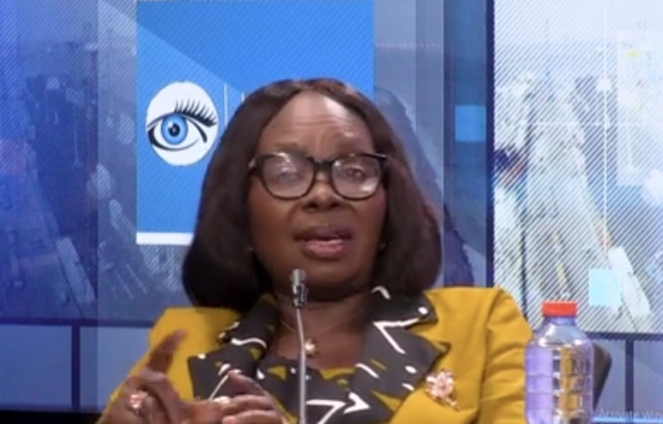
The Director of Marine at the Fisheries Commission, Madam Esi Bordah Quayson, at a media forum powered by the Ghana Ports and Harbours Authority (GPHA), said the exemption was just for one year.
The forum was themed “Sustaining Ghana’s Closed Fishing Season: Science, Policy, and the Future of Fisheries”.
Madam Quayson said just as they did during and before every closed season, the Fisheries Commission would collect the data and do their biological analysis to see the difference between when everyone was observing the season, and when there was an exemption.
She said with that, they would come out with the necessary recommendations to help sustain the country’s fish stock while taking into consideration the economic plight of the coastal community.
She said even though before the introduction of the closed season as a conservation measure, the commission had a lot of consultation with stakeholders and got their agreement, it was normal to have a few people who would object to it.
“All is not lost; we are scientists; therefore, we must find alternative ways to reach the same results. We are not doing the close season alone but also with a moratorium running for three years to reduce effects on the resources,” she said.
Madam Quayson added that her outfit was also pursuing other measures to be implemented soon, disclosing that “the documents are almost ready for the reclassification to put a cap on the size of the canoe.”
Further, the fisheries minister was already talking about the closed area; therefore, they, as scientists, had identified some of the areas that they thought were vulnerable, such as the spawning grounds, feeding and nursery grounds, and resting spots for them to be earmarked for closing, Madam Quayson said.
She said that it was unfortunate that about 80 per cent of the artisanal fishers did not have alternative livelihoods, making it difficult to accept sitting at home for one month without fishing, revealing that “the fishers don’t want to hear anything about alternative livelihoods”.
Madam Quayson said these fishers were even being encouraged to go into aquaculture, but they did not want to, arguing that couldn't wait for the fishes to grow.
Latest Stories
-
AFCON 2027Q: Black Stars open campaign with defeat to Ivory Coast in Bouaké
6 minutes -
From construction site to top of class: Daniel Doe emerges Legon’s best Computer Engineering student
21 minutes -
Mahama: Peaceful political transitions prove democracy can work in Africa
24 minutes -
“The law must work” – NDC rejects claims Salomey Baffoe’s bail denial is diversion from cocaine scandal
35 minutes -
Police arrest two suspects over murder of Senegalese goalkeeper
35 minutes -
TVET Service, Bank of Ghana explore partnership to boost skills development
1 hour -
Ghana TVET Service, OR Foundation partner to promote sustainable fashion
2 hours -
Achimota, Accra Academy, PRESEC Osu qualify for next stage of National Public Speaking Event
2 hours -
NCPTA challenges GES directive on PTA dues, cites High Court injunction
2 hours -
Majority opposes parliamentary probe into cocaine busts while investigations continue
2 hours -
Salomey Baffoe detention is a facade to divert attention from cocaine scandal – Weija-Gbawe MP
2 hours -
Francis-Xavier Sosu is doing well after GIMPA incident – Office
2 hours -
Deputy Minority Leader appeals to First Lady, Vice President over Salomey Baffoe’s detention
2 hours -
Ecobank Group commits US$2.6bn to women-led businesses and agribusinesses across Africa
2 hours -
Ghana to host high-level conference on scaling education initiatives in emergencies
3 hours