

Audio By Carbonatix
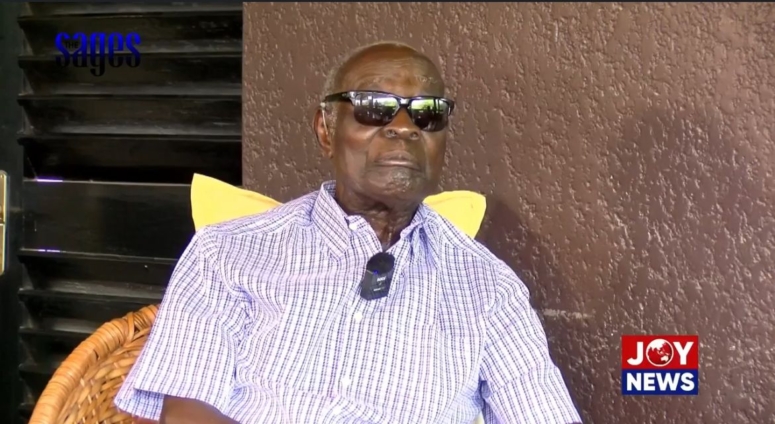
Renowned Ghanaian architect and Pan-Africanist, Prof. John Owusu Addo, has blamed the unplanned nature of Ghana's urban landscape on political interference and a lack of respect for professional expertise in planning and architecture.
Speaking on The Sages on JoyNews, the renowned architect expressed frustration at how politicians and powerful stakeholders routinely sideline professionals trained to design and manage the country’s urban development.
“We have trained town planners, architects and so on. But politicians will not allow them to do their work as they’ve been taught.”
According to him, the planning process has been hijacked by non-technical actors whose personal interests often override professional guidance and established laws.
“Town and country planning, that is urban design, the planning laws are changed at will because those who sit on the committee have no idea. There’s only the town planning officer and one voice against many who have all sorts of interests. Chiefs, politicians, businessmen, they all have interest in land acquisition and development.”
Prof. Owusu Addo said the professionals planners, architects, and technicians are often outnumbered and outvoted, rendering their knowledge and expertise ineffective in the decision-making process.
“And the poor technician or the planner or architect has very little say. And that is why we have our towns and cities. We don’t follow the law.”
“The laws are there. But we are not able to implement them, to enforce them. That’s why we have cities and towns which develop in any way they like.”
He also explained that simply tearing down old buildings and replacing them with new ones on the same plot offers no meaningful transformation.
“In the big cities, the tendency has been to replace one building which is probably outmoded or it has problems. Somebody buys the old building and he puts exactly in his place another building. That is not the way to develop a modern city.”
He advocated for a broader, more visionary approach where larger areas are redeveloped together, with banks and developers backing comprehensive plans designed by professionals.
“You should have about 10 or 20 such buildings in a big area and get the developer and they get the bankers to back them. And you give the architect and the planner and the engineers an opportunity to redesign the whole place. Pedestrian movements, walks, walkways, shops and so on.”
“And that is how modern cities are developed. And not by piecemeal. That is just replacing individual buildings with old buildings, with new buildings.”
Prof. Owusu Addo’s remarks come at a time when Ghana’s major cities, especially Accra and Kumasi, continue to battle congestion, flooding, poor zoning, and infrastructure challenges.
Latest Stories
-
Meghan could return to acting once back in UK
26 minutes -
Bali jails Swiss tourist for insulting sacred Day of Silence
33 minutes -
Nii Lante Vanderpuye apologises to Sammy Gyamfi, NDC over GoldBod comments
3 hours -
‘You want the trade, but not the people?’ – Dr Yamson tears into South Africa’s xenophobia
4 hours -
Walmart sales under strain as US shoppers pull back
5 hours -
The Premier League’s new plan to end corner chaos
5 hours -
US Open offers biggest prize fund in Grand Slam history
5 hours -
‘I feel I am imprisoning myself’ – Djokovic on drive & doubts
5 hours -
India’s Gen Z are driving up a mega boom in its beauty market
5 hours -
Ronaldinho seeks 300th goal with comeback aged 46
6 hours -
Your voice, your future – Opare Addo opens National Youth Forum 2026
6 hours -
GRA pushes data-driven tax administration to boost revenue mobilisation
6 hours -
NSMQ 2026: Presby SHS, Bompata crushes Sacred Heart’s hopes of reaching one-eighth stage
6 hours -
Africa Golf Tourism Convention opens in South Africa to unlock opportunities
6 hours -
BOGISS alleged sexual assault: Dr Apaak demands protection for autism victim
6 hours