

Audio By Carbonatix
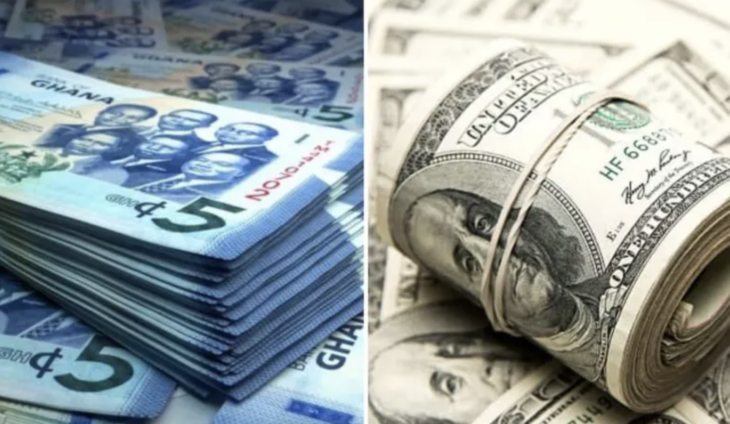
In just about a month, the Ghanaian cedi has appreciated by nearly 20% against the US dollar — a rare and significant swing in currency markets. But what does this mean for everyday consumers? Here’s how this stronger cedi is playing out in your pocket:
Imported Goods Are (Finally) Getting Cheaper
Electronics, furniture, appliances, and fuel are all priced in dollars. With a stronger cedi, these now cost less in local terms. Some retailers have already slashed prices — think 10–15% off household goods — and fuel prices have dropped by up to 8%. That means relief at the pump and in stores.
Inflation Eases — But Not Everywhere
The cedi rally is helping cool inflation, especially on imported items. Inflation has fallen to about 21%, down from over 23% a few months ago. But local food prices? Still high. So while the cedi’s rise is helping, the full cost-of-living relief is uneven for now.
But Prices Aren’t Falling as Fast as Expected
Despite the cedi’s strong rebound, many consumers are frustrated that prices in shops and markets have not dropped significantly.
Traders often point to old stock bought at higher exchange rates or hold off on reductions, unsure how long the stronger cedi will last. So while importers are paying less, these savings are not always passed on quickly, and that’s slowing the relief consumers hoped for.
Your Cedi Goes Further
With the stronger currency, your income can buy more. A phone or laptop that used to cost GHS 7,500 may now go for GHS 6,000. That’s real purchasing power — especially for those saving for imported items, paying for school abroad, or budgeting for travel.
But Dollar Earners May Be Losing
If you earn in US dollars — whether through remittances, exports, or freelance income — the cedi’s strength can hurt. Your dollar income now converts into fewer cedis. And since prices on the ground aren’t falling as fast as the dollar’s decline, your real purchasing power is shrinking. You’re essentially caught between a stronger cedi and sticky prices.
Bottom line: A stronger cedi brings real benefits for consumers — cheaper imports, slower inflation, better purchasing power. But unfortunately, prices are not falling as quickly as expected.
Traders are cautious, and local goods are slow to respond. It may take months for households to fully feel the gains if the cedi remains strong. Will it?
Latest Stories
-
Prof. Kwofie urges publishers to use indigenous knowledge systems to decolonise AI
38 minutes -
NDC’s two years of economic gains not enough to establish stability – Alan Kyerematen
47 minutes -
AFCON 2027Q: Nine new call-up for Cote, The Gambia matches
1 hour -
Ghana’s MSMEs: Burdened by regulation and overtaxed; why the system isn’t working
1 hour -
Patience Akyianu, former Barclays Bank Ghana MD and Hollard Group CEO, reported dead
1 hour -
Mahama pushes ‘health sovereignty’ agenda, says Global South needs control over resources
2 hours -
Mahama: We are reforming systems, fighting corruption and improving use of public funds
2 hours -
Catholic Bishops welcome task force to tackle drug menace, acknowledge inter-agency efforts
2 hours -
Ghana Catholic Bishops demand urgent action against drug trafficking
2 hours -
Tamale: 5 arrested over suspected drug activities; police seize pistols, narcotics
2 hours -
We have lost a great developer – Mankranso residents pay tribute to late DCE
2 hours -
Ghana Law Society sets September 30 for maiden Bar Conference on legal reforms
3 hours -
GPL Week 3: Port City’s Gyetuah bags a brace as 9 outstanding players named NASCO Players of the Match
3 hours -
Visibility without substance is just noise; I don’t seek popularity—Dr Oppong-Fosu
3 hours -
The late Abubakar Sedik was an exceptional DCE – Ashanti Regional Minister
3 hours