

Audio By Carbonatix
The Ghana Real Estate Developers Association (GREDA) is urging suppliers and manufacturers of building materials to reduce prices in line with the recent appreciation of the Ghana cedi.
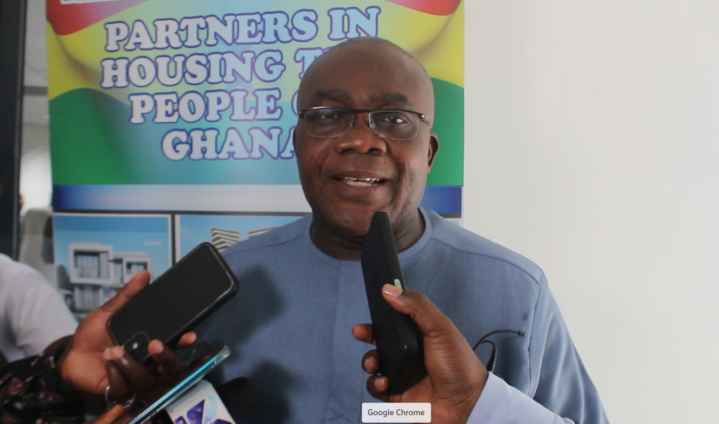
According to its President, Dr. James Orleans-Lindsay, the strengthening of the local currency should translate into lower costs for construction inputs such as cement, iron rods, and other essential materials.
He argues that the continued high prices of these items, despite favorable currency movement, place an undue financial burden on Ghanaians particularly prospective homeowners and developers.
Speaking to Joy Business on the sidelines of a stakeholder briefing session with the Ghana Revenue Authority (GRA), Dr. Orleans-Lindsay stressed the importance of market responsiveness to currency fluctuations.
“We are saying we will continue to price in the cedi equivalent, but prices of our component should be reduced. The developer is losing because we are still buying cement at the same high prices,” he bemoaned.
The real estate sector, which plays a critical role in addressing Ghana’s housing deficit, has faced significant challenges in recent years due to the rising cost of building materials.
Developers argue that price hikes, often driven by currency depreciation and import costs, have made it difficult to complete affordable housing projects.
With the cedi showing signs of strengthening against major international currencies, GREDA is calling for immediate action to reflect this positive development in the pricing of local and imported construction inputs.
“We are not asking for favors, we are simply asking for fairness. Let the strength of the cedi bring some relief to the ordinary Ghanaian trying to build or buy a home,” Dr. Orleans-Lindsay added.
The call from GREDA comes at a time when both government and private stakeholders are working to make housing more accessible and affordable in Ghana.
The association believes that realigning the prices of construction materials could be a significant step in the right direction.
The stakeholder briefing session with the Ghana Revenue Authority (GRA) on the government’s new 5% tax policy targeting landlords was aimed to clarify the implementation strategy, compliance expectations, and its impact on the real estate and rental sectors.
Latest Stories
-
GJA opens entries for 30th Media Awards, introduces 2 new categories
5 minutes -
Ghanaian winger Ibrahim Sadiq joins Colorado Rapids in MLS
17 minutes -
Sister Love by Naina J.M.D. draws international praise ahead of October release
19 minutes -
Ghana Gas CEO calls for more investment in gas infrastructure
43 minutes -
Joy FM Back-to-School Discount Fair 2026 opens
44 minutes -
I’m not impressed by Ghana coach Carlos Queiroz – Odartey Lamptey
44 minutes -
I’m honoured to play at my second U-20 Women’s World Cup – Alex Tay
46 minutes -
8 feared dead as illegal mining pit collapses at Domi Keniago
48 minutes -
Eighth suspect arrested over fatal New Winneba violence
54 minutes -
Commercial fire at Agringanor brought under control by GNFS
56 minutes -
Mortgage repayments and existing debts should not exceed 50% of income – Republic Bank
1 hour -
Republic Bank to offer up to 100% mortgage financing at JoyNews Habitat Fair clinic.
1 hour -
You sounded like an NDC official – Arthur Kennedy criticises Chief Justice over SOE comments
2 hours -
Lands Minister inspects Ankobra, cites progress in galamsey fight
2 hours -
GRA clarifies phone, laptop duty rules; number of items not automatic trigger
2 hours