

Audio By Carbonatix
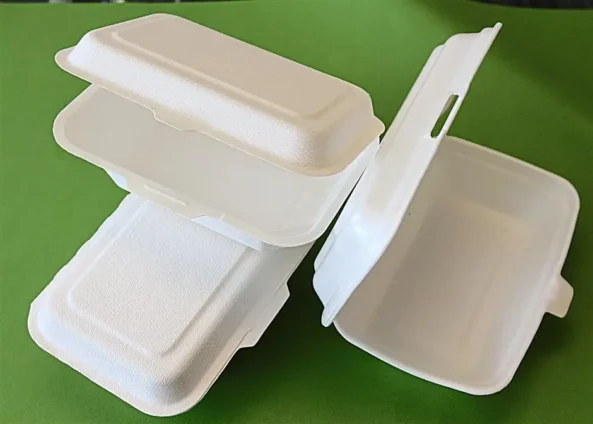
President John Dramani Mahama has declared an impending nationwide ban on the importation and local production of styrofoam plastic (popularly known as takeaway packs), citing its detrimental impact as "one of the most pernicious polluters".
The move signals a decisive shift towards environmentally sustainable packaging solutions, with paper and aluminium foil slated as the preferred alternatives for food packaging across the country.
The President made the significant announcement during a public address today, Thursday, June 5, 2025, underscoring his administration's unwavering commitment to environmental protection and public health.
READ ALSO: Government to ban wooden school furniture, styrofoam food packs
"When you go to buy your food and they put it in that white plastic something… and then you finish eating, you just dump it. That is one of the biggest polluters," President Mahama stated, vividly illustrating the everyday scenario contributing to Ghana's pervasive waste challenges.
The non-biodegradable nature of styrofoam means it persists in the environment for hundreds of years, contributing significantly to the estimated 1.1 million metric tons of plastic waste Ghana generates annually, of which less than 10% is formally recycled.
This widespread litter chokes vital drainage systems, a major factor in the recurrent urban flooding, particularly in Accra, and contaminates water bodies and agricultural lands.
To address this crisis, the President confirmed that the government is moving to outright eliminate styrofoam from the economy.
"With the Ministry of Environment, soon we’re going to ban the importation and production of styrofoam in Ghana. Our food packaging will be made from paper and also from aluminium material," he affirmed.
President Mahama urged manufacturers and importers of styrofoam products to begin immediate preparations for this critical policy change, emphasising that the transition period, while managed, would require proactive engagement from the industry.
This directive aligns with Ghana's broader environmental agenda, which includes initiatives aimed at improving waste management infrastructure and fostering a greener economy. The ban is expected to significantly reduce plastic pollution, improve sanitation, and mitigate the risk of flooding in urban centres, ultimately enhancing the quality of life for citizens.
Latest Stories
-
‘Follow Ghana’s steps’ – IMF Africa Director hails economic gains
21 minutes -
Kwame Nkrumah’s son Gamal dies; burial scheduled for Saturday in Egypt
28 minutes -
Ghana will beat IMF’s upgraded 5.7% growth forecast – Ato Forson
28 minutes -
Middle East tensions, global risks to shape November policy rate decision – BoG Governor
33 minutes -
MTN Ghana to invest $1.1bn over three years, deploy 500 new sites in 2026
39 minutes -
15 arrested over alleged sand-winning activities along new Accra-Kumasi Expressway project
47 minutes -
Agriculture Slows to 3.9% as Ghana’s Economy Grows by 6%
1 hour -
Government launches rCOMSDEP to promote responsible mining in Western Region
2 hours -
Foreign Affairs Ministry procures 20 pickups to improve passport services
2 hours -
Oil prices retreat as investors weigh supply outlook, Middle East tensions
2 hours -
Mahama Ayariga highlights Jimi reclamation project as effort to tackle flooding
2 hours -
Ayine pushes duty-lawyer scheme to protect suspects at police stations
2 hours -
Stephen Amoah criticises 20% digital services tax as excessive
2 hours -
Ghana secures $3.5bn investment commitments to revive oil and gas sector – Jinapor
2 hours -
Court to hear Wontumi’s bail application today
2 hours