

Audio By Carbonatix
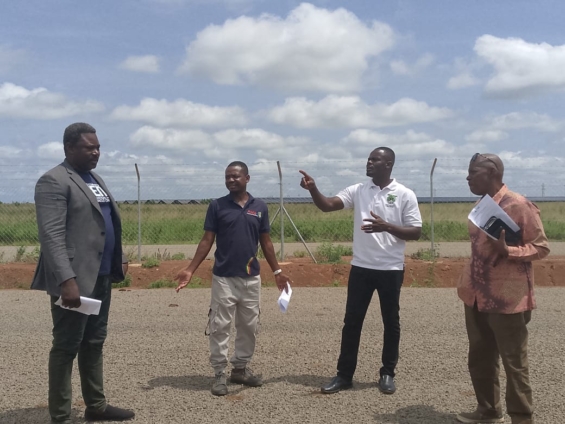
The Public Interest and Accountability Committee (PIAC) has expressed dissatisfaction with the state of oil-funded projects in the Yendi Municipality of the Northern Region.
This came to light at the start of a three-day inspection tour by PIAC members to assess projects financed through the Annual Budget Funding Amount (ABFA) from Ghana’s petroleum revenue.
Projects visited included the construction of the Yendi–Saboba road, estimated to cost more than GH¢4.46 million, the construction of a double 2Mx2M box culvert (Phase One) on the Gamandze–Paansiya link road at a cost of GH¢296,158.70; and the upgrading of sections of the same road from earth to gravel surface, valued at GH¢102,454.95.
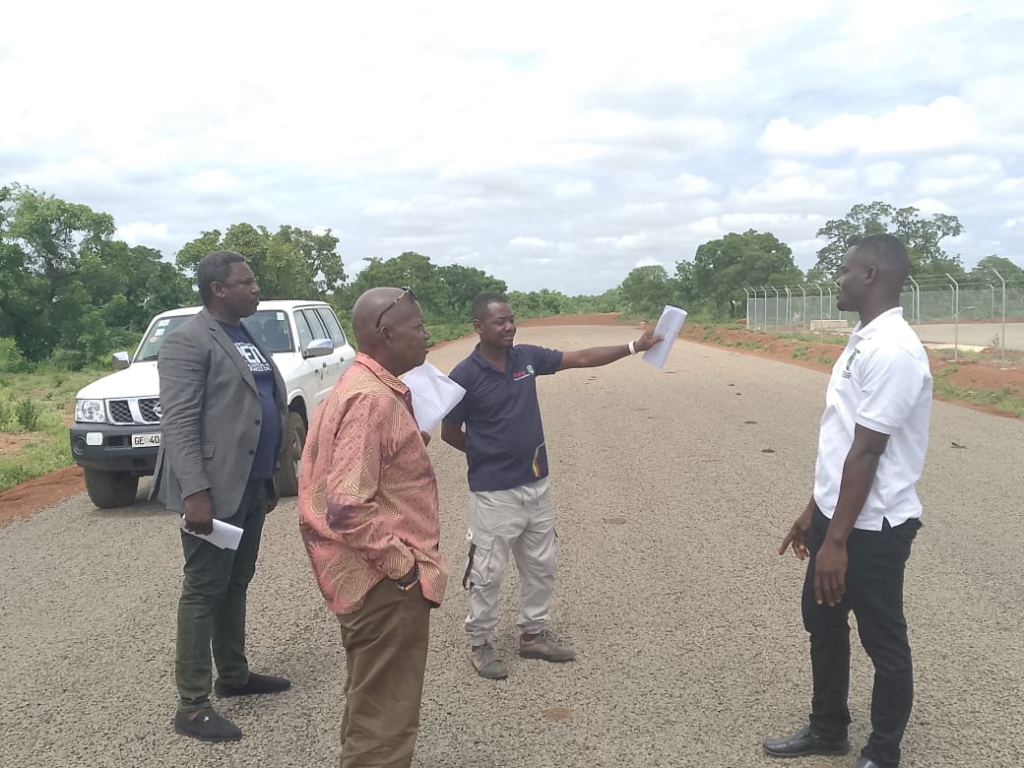
Others were the construction of a double 2Mx2M box culvert and U-culverts (1.8m and 1.2mx1.2m) on the GRIDCo–Paansiya link road at GH¢534,650.49, and an additional double U-culvert on the same route at a cost of GH¢59,587.79.
PIAC is established under Section 51 of the Petroleum Revenue Management Act (PRMA), and mandated to provide independent oversight in the use and management of Ghana’s petroleum revenues.
The visit to Yendi was therefore part of its nationwide monitoring of ABFA-funded projects.
Mr Ransford Tetteh, a PIAC member, told the media that the inspections aimed to verify the existence and progress of the projects, assess their impact on beneficiary communities, and inform Parliament and the Executive of the findings to aid in policy directions.
He, however, expressed disappointment over the state of the projects.
"We are not impressed at all with what we have seen so far. For instance, during our interaction with residents of Wanbung, a community along the Yendi–Saboba road, we learned that the last time construction activity was seen on the road was five to six years ago, although the project was expected to be completed in 2023."
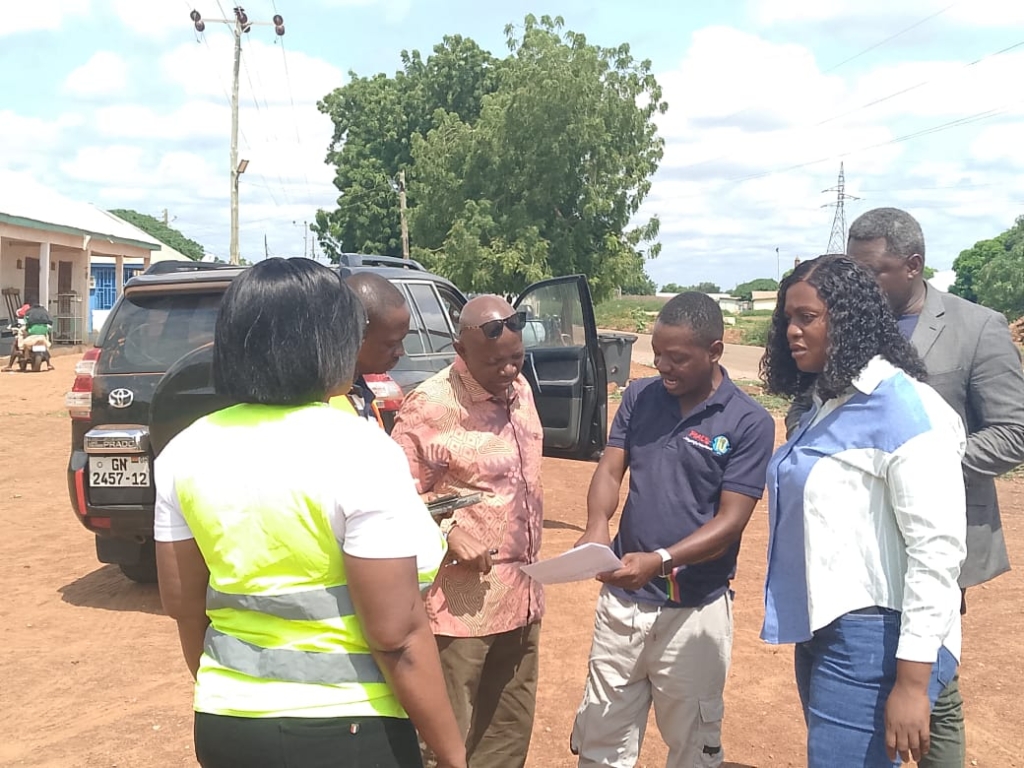
He added, “Our inspection of the Gamandze–Paansiya link road, which is supposed to have both drains and culverts, revealed that only drains have been constructed. Moreover, we observed the appearance of potholes, indicating substandard work. This will be duly captured in our report.”
Mr Tetteh further raised concerns over the lack of stakeholder involvement in the execution of the projects.
“We found that community leaders and even the Yendi Municipal Assembly were unaware that these projects were funded by oil revenues. This lack of engagement is troubling.”
He stressed the need for active involvement of local authorities and beneficiaries in project implementation to ensure quality delivery and accountability.
Some community members who spoke to the Ghana News Agency said they were unaware that the projects in their area were financed through the country’s oil funds.
Latest Stories
-
GPL 2026/27: Medeama go three clear as Hearts of Oak recover and Bechem stage stunning comeback
3 minutes -
Ntiamoah Foundation launches “BEYOND 20” anniversary campaign
22 minutes -
Credit Risk Management Directive: BoG to begin implementation for banks, others from July 1, 2027
40 minutes -
Ghana Brands Awards 2026: Leading brands, business trailblazers to shine on November 20
56 minutes -
T-bills auction: Demand improves as government exceeds target by about 76%; interest rates soften
1 hour -
Ziope undertakes initiative to build a technologically inclined community, commissions self-help ICT lab
1 hour -
ECG announces power outage in parts of Tema, Central Region due to network fault, maintenance
2 hours -
When the Gospel Becomes a Weapon: The church, blackmail and the abuse of faith
2 hours -
JoyNews’ Jacqueline Ansomah Yeboah selected for UK Media Excellence for Emerging Technology Fellowship
3 hours -
Mental Health Alliance urges government to operationalise Mental Health Fund
3 hours -
Ghana–Holy See agreement heads to Parliament after Cabinet approval
3 hours -
Luv FM Corporate Games 2026: Kumasi Central Prisons, Amanfiman Bank win big amid fun
3 hours -
WAFU B U17: Ghana top Group A after win over Togo
4 hours -
Ho Central Mosque reopens amid unresolved leadership dispute that led to closure
5 hours -
Minority caucus questions GH¢16.4m in Ablakwa’s SA evacuation spending, demands independent audit
5 hours