

Audio By Carbonatix
As Ghana works to generate its first nuclear power plant by 2030, the Nuclear Regulatory Authority says it is ready to support nuclear energy operators to set up reactors to complement the country’s energy grid.
Ghana currently generates its electricity through fossil fuels and hydro, which reportedly does not meet the energy demand of the country in industrialization.
As the government sets out to industrialize the country through its 24-hour economy, Director of Nuclear Installations at the NRA, Dr. Emmanuel Ampomah-Amoako, says nuclear power is a better alternative.
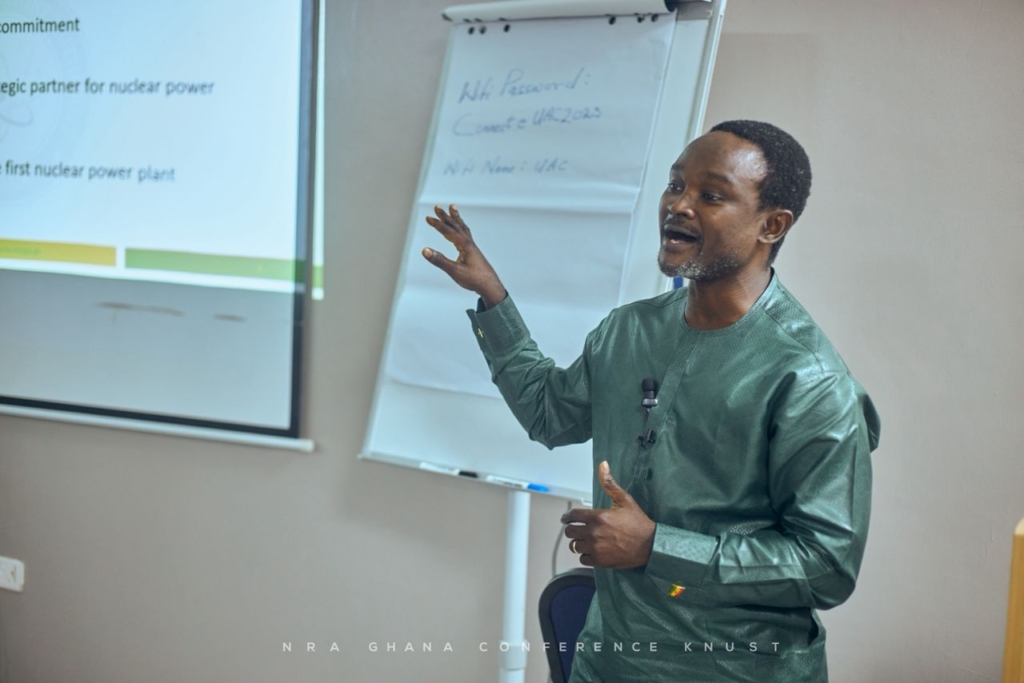
“It is Nuclear that can provide us with a very good opportunity for us to put reliable electricity on the grid that would encourage investors to put their resources into the economy. We look forward to working with operators to ensure that the country is well electrified. Energy Commission is also ready to regulate the electricity that goes on the grid,” he noted.
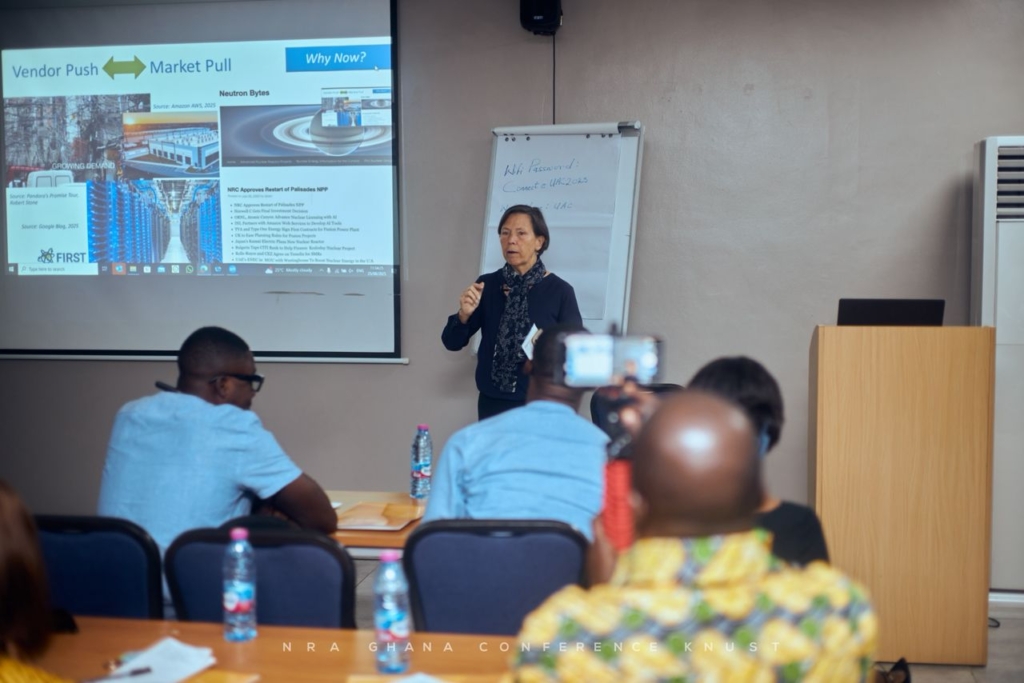
Nuclear Communication Expert at the International Atomic Energy Agency, Dr. Kelle Barfield, highlights some benefits of harnessing nuclear power.
“As Ghana considers energy policy for decades to come up to 100 years, it’s essential that the country leaders look at all forms of generation. Some forms of energy like hydropower, are not an option. Wind and solar are limited in their 24/7 capacity. The risk of nuclear are balanced by the benefits as seen almost seven decades,” she said.
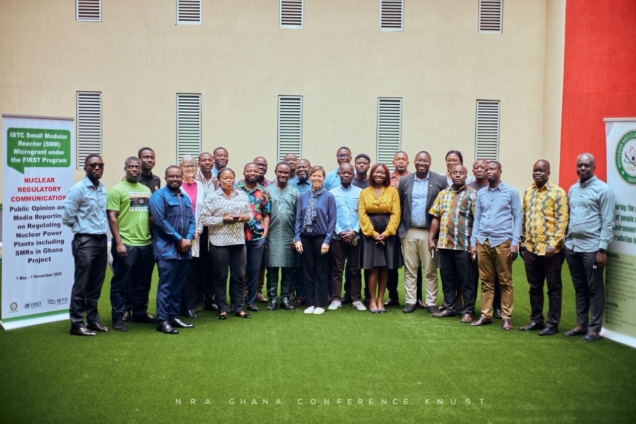
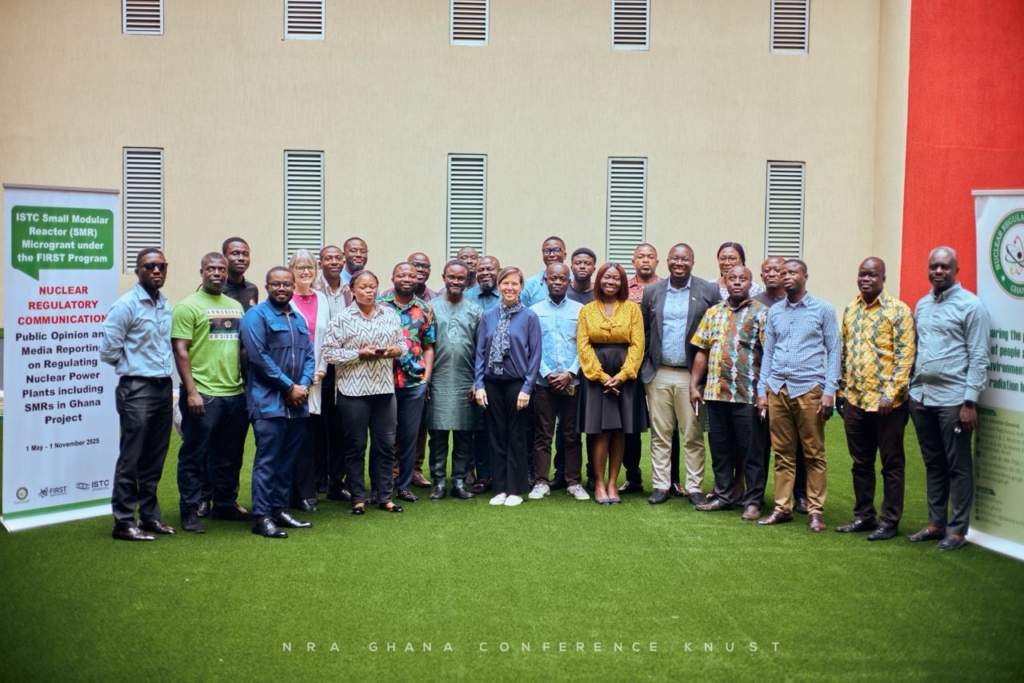
They spoke at a media training on Nuclear Regulatory Communications, Public Opinion and Media Reporting on Regulating Nuclear Power Plants, including Small Modular Reactors in Ghana.
The event, held in-person and virtually, brought together participating journalists from the Ghana middle belt and northern regions to appreciate the mandates of the authority.
They were also exposed to practical training in investigating and reporting on issues relating to the nuclear energy industry, including the management of radioactive waste.
Director of the Radiological & Non-Ionizing Installation at the NRA, Prof. Augustine Faanu, highlighted the critical role of the media in shaping discourse on the nuclear sector.
“Accurate, timely and responsible communication is critical, particularly in the nuclear sector where public trust and understanding are essential. It is important that the regulator clarifies misconceptions and buildsa stronger partnership with the media,” he noted.
Latest Stories
-
Bodies of two hikers missing for decades found after Swiss glacier melts
16 minutes -
NSMQ 2026: North East Region denied one-eighth stage as Kumasi High kicks out Nalerigu
20 minutes -
Useless Column: ‘Weytin do Akosua?’
24 minutes -
Context Matters: Understanding the Tony Elumelu First-Name Debate – Afanyi Dadzie writes
27 minutes -
Microwaving is safe, but minimise aluminium foil use – Food Scientist advices
34 minutes -
Supreme Court clears way for legal vacation criminal trials, dismisses Oppong Nkrumah’s injunction bid
48 minutes -
Restaurant portions, surplus food worsening Ghana’s food waste problem — Food Scientist
59 minutes -
NPP extends 2026 National Officers Elections filing deadline to August 29
1 hour -
NDC has not shown it can manage power sector effectively — Fiifi Boafo
1 hour -
Ghana secured US$2.6bn FDIs in 2025 – GIPC Report
1 hour -
GRIDCo restores power nationwide after August 20 blackout, says grid strengthening measures ongoing
1 hour -
Journalism must prioritise public interest over attention — Kwesi Pratt
2 hours -
Ghana Mineworkers Union demand suspension of contract mining directive, threaten industrial action
2 hours -
ADB Ghana Medicals constructing and equipping new Cardiothoracic Centre at Komfo Anokye
3 hours -
AFREIKH Summer School challenges Africa to harness critical minerals
3 hours