

Audio By Carbonatix
The Kwadaso Municipal Director of the National Commission for Civic Education (NCCE), Mavis Achiaa Opoku, has called on stakeholders to collaborate in promoting adolescent reproductive health.
She said reproductive health and gender-based education for the youth are vital for advancing gender equality, improving health outcomes, and strengthening social cohesion.
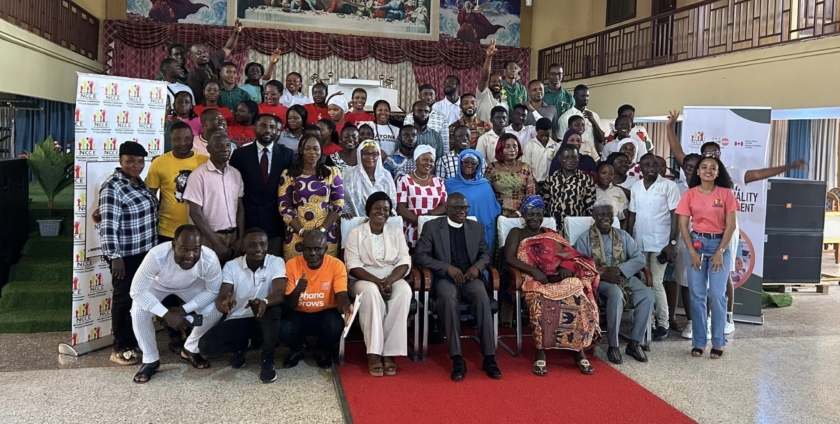
Ms. Achiaa Opoku made the remarks during a stakeholder engagement organised under the auspices of the United Nations Population Fund (UNFPA) 8th Country Programme (2023–2027), which seeks to promote adolescent health, gender equality, and the prevention of gender-based violence.
The event was held under the theme “Empowering Community and Youth for Adolescent Health, Gender Equality, and Preventing Gender-based Violence Through Civic Engagement.”
According to the World Health Organization (WHO), complications from pregnancy and childbirth remain the leading cause of death among girls aged 15–19 globally.
Each year, an estimated 21 million girls aged 15–19 in low- and middle-income countries become pregnant, with 12 million giving birth.
Ms. Achiaa Opoku noted that the stakeholder engagement provided a platform for dialogue, collaboration, and coordinated action in addressing adolescent pregnancy, family planning, and harmful social practices affecting young people, especially girls and underserved youth.
Rita Gbarinaa of the Ghana Health Service highlighted the importance of adolescent health, noting that the adolescent period, between the ages of 10 and 19, is a critical stage of physical, emotional, and social development.
She explained that family planning for adolescents is not about promoting sexual activity among the youth, but rather about empowering them with the knowledge and tools to make informed decisions.
Assistant Superintendent of Police (ASP) of the Domestic Violence and Victim Support Unit (DOVVSU) of the Ghana Police Service Joyce Amponsah Kusi explained that gender-based violence is a physical, sexual, psychological, or economic harm inflicted on individuals based on gender.
She stressed that it often stems from gender inequality and harmful social norms.
She urged intensified community education through churches, mosques, and information centres to tackle the menace, adding, “Parents must take full responsibility for their children by providing their basic needs.”
The stakeholders were drawn from local government, traditional and religious leaders, service providers, civil society organisations, local NGOs, representatives from girl and youth empowerment clubs, security institutions, and the media.
Latest Stories
-
Education Minister assures teachers of salary adjustments by October 16
2 minutes -
Abass Osabutey declares bid for NDC Deputy National Organiser position
4 minutes -
Education Minister inaugurates NDU Governing Council, announces $25m seed funding
12 minutes -
THE LAW 101: La Beach Demolitions – The State’s own documents, the courts’ orders – and the bulldozers
15 minutes -
DVLA contributes GH¢17.7m to Consolidated Fund in 2025
18 minutes -
Why disaster risk reduction must connect early warnings, preparedness and financial protection to household-level resilience
25 minutes -
The AI Gold Rush: Who strikes gold and who gets left behind?
49 minutes -
Australia visa scandal: Pius Hadzide says failed checks left him carrying the blame
1 hour -
Pius Hadzide rejects blame for journalists’ visas in 2018 Australia scandal
1 hour -
What Is Wrong With Us: We queue for the Colosseum while our own Castles crumble
1 hour -
Dangote IPO fever could deepen Africa’s capital markets, Citi Bank executive says
2 hours -
US hopes diesel deal can ‘soften’ Moscow on peace talks, sources say
2 hours -
Oil falls as Russia diesel supply prospects counter Gulf supply risks
2 hours -
Moroccan centrist party agrees to form coalition government with three other parties
2 hours -
IMF cites AI slowdown, spiking yields as looming global market risks
2 hours