


Audio By Carbonatix
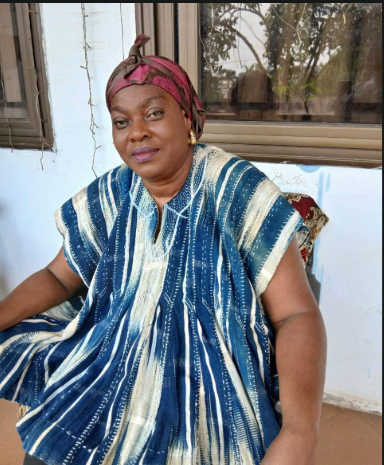
For years, the fugu was kept patiently for festivals, funerals, and special occasions. Today, it has stepped back into the light, worn daily, widely debated, and reclaimed as both culture and conversation.
What began as a social media spark around President John Dramani Mahama’s Fugu-clad state visit has ignited something bigger than politics.
In a moment that drew praise, criticism, and viral commentary, Ghanaians are responding with pride, posting their own smock photos with hashtags, creative edits, and spirited solidarity. Suddenly, batakari, also called fugu, is everywhere: on timelines, in workplaces, and at occasions.
This trend is more than viral fodder. It holds the potential to drive real economic gains if we move beyond admiration to intentional support.

Visibility Drives Demand
Trends shape behaviour. With Fugu becoming “cool” again and worn by creatives, professionals, influencers, and everyday Ghanaians, it's sparking curiosity. People asking: Where did you get it? How much is it? Can it be styled differently?
That curiosity becomes demand. Demand leads to orders. Orders mean more weaving, tailoring, trading, and livelihoods. From the loom in Northern Ghana to boutiques and markets in Accra, the value chain will begin to move.
But this will only work if buyers intentionally choose locally made batakari, not mass-produced imitations that mimic the look without supporting the communities that craft them.
From Trend to Transaction
It’s one thing to post a photo in batakari; it’s another to buy it directly from a local seller. If this trend is sustained, traders in Bolgatanga, Tamale, and even markets in Accra and Kumasi can see increased sales, especially if consumers make conscious purchasing decisions.
Designers also have an opportunity to innovate: modern cuts, work-friendly designs, lighter fabrics, and unisex styles that will appeal to younger buyers. When tradition meets practicality, the market widens.
Social Media as a Marketplace
The platforms fueling the trend can also drive sales. Instagram, TikTok, and X are no longer just spaces for admiration; they are marketplaces. A video of a weaver at work, a styling reel, or a simple “DM to order” post can turn engagement into income.
For small-scale sellers who may not afford physical shops, the batakari moment offers visibility they’ve never had before. One viral post can mean weeks of orders.
Jobs, Not Just Fashion
Beyond sales, a sustained batakari revival can create jobs, especially for young people. Weaving, tailoring, dyeing, marketing, logistics, and content creation all come into play. When culture becomes commerce, livelihoods are built.
This matters at a time when youth unemployment remains a concern and local industries struggle against cheaper imports. Supporting batakari is not just cultural pride; it is an economic choice.
The Responsibility of the Moment
Trends are fleeting. Today’s excitement can fade tomorrow if it isn’t anchored in intention.
For Batakari to truly boost sales, consumers must move from applause to patronage, from hashtags to purchases.
Institutions, fashion houses, event organisers, and workplaces can help by normalising batakari as everyday wear, not just ceremonial attire. “Fugu Fridays” should not be symbolic alone; they should be transactional.
More Than a Cloth
At its core, the Mahama-inspired batakari revival is a reminder that culture can pay. When we choose local, we keep skills alive, support families, and invest in our own economy. The smock on our backs can tell a bigger story, one of dignity, sustainability, and growth.
If nurtured properly, batakari will not just trend online. It will sell, sustain, and survive.
Latest Stories
-
The man who saw tomorrow: How Dr Bawumia built for Ghana what America and Nigeria are building today
19 minutes -
Kumasi drivers demand price controls for goods, brand some traders as real ‘Kalabule’
22 minutes -
Consumer Protection Agency commends FDA for destroying illegal bales of diapers
26 minutes -
GNFS rescues stranded persons after flooding in Hohoe
48 minutes -
Baffour Awuah deliberately refused to honour EOCO invitation – Deputy AG, Srem-Sai
1 hour -
‘Believe in these players’ – Carlos Queiroz tells Ghanaians after leaving Black Stars job
1 hour -
ECG announces planned maintenance outage in parts of Accra on Friday
1 hour -
Carlos Queiroz sacked as Black Stars head coach
1 hour -
Parliamentary Sports Committee to ‘interrogate’ Black Stars struggles with Ministry, GFA invitations
2 hours -
Asutifi North Police arrest 7 in crackdown on suspected drug activities
2 hours -
Attijariwafa Bank: What to know about the Moroccan Group taking over SG Ghana
2 hours -
University Librarians Ghana honours past leaders for distinguished service
2 hours -
Seychelles President leads high-level dialogue on Africa’s digital future at FALS Global Conversations in New York
2 hours -
24-hour economy requires faster justice for commercial cases – Chief of Staff
2 hours -
Five Agric Colleges receive digital tools to drive climate-smart farming
2 hours