

Audio By Carbonatix
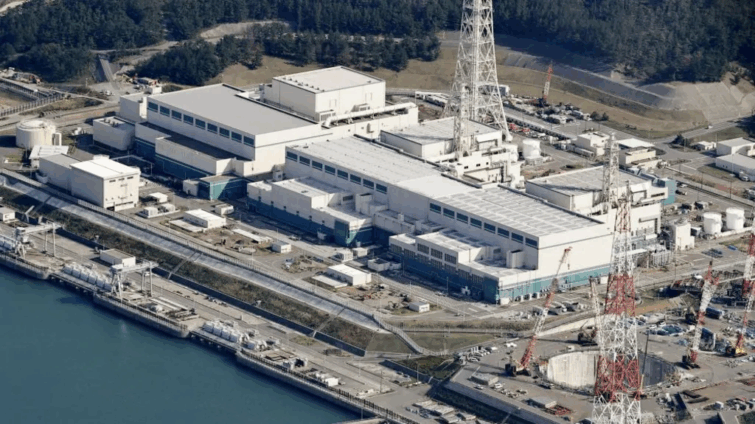
Japan is edging closer to approving the restart of the world's largest nuclear power plant - the first time it would be operated since the 2011 Fukushima disaster.
Hideyo Hanazumi, governor of the Niigata region where the Kashiwazaki-Kariwa power plant is located, said he has given the green light for the partial restart.
The plan to resume operations at the facility, operated by utility company Tepco, still needs approval from the prefecture's government assembly and Japan's nuclear regulator before it can proceed.
If approved, it would be the first time Tepco would be allowed to recommence nuclear reactor operations in Japan since its Fukushima plant went into meltdown following a tsunami.
Residents in Niigata are divided over whether the plant should be restarted or not.
Hanazumi told a news conference on Friday that his decision would be discussed in December at a prefectural government assembly, where he would seek the assembly's approval.
The approval would be for the recommencement of operations at theKashiwazaki-Kariwa plant's No 6 reactor, followed by the No 7.
The resumption of operations at the facility is part of Tepco's business reconstruction plan following the Fukushima meltdown, which was caused by a 9.0-magnitude earthquake and massive tsunami.
When the plant's reactors were flooded by the tsunami, it caused radiation to leak out and forced 150,000 people to be evacuated from the area.
Japan ordered all its nuclear power plant reactors to be shut down in 2011 following the disaster. Since then, 14 reactors have resumed operations.
Tepco was ordered to pay trillions of Japanese yen in damages to those affected and is also paying for the plant's decommissioning costs.
A survey released by Niigata prefecture last month suggested 50% of its residents supported the plant's restart, while 47% were against it. It also indicated that almost 70% of people in the prefecture were concerned about Tepco running the plant.
Friday's decision demonstrates a desire among some in Japan to move towards increased use of atomic energy to reduce dependence on fossil fuels, as the country pursues a goal of net zero carbon emissions.
Latest Stories
-
‘It’s not a matter of evidence; it was a metaphor’ – Afenyo-Markin defends ‘drug lab’ comment
5 minutes -
Borrowing costs cut by more than half – Finance Minister
8 minutes -
KNUST students urged to look beyond Ghana for AI and robotics opportunities
11 minutes -
Odeibea Foundation extends energy equity initiative with solar streetlights in Akpato and Worwonyo
12 minutes -
Customs increases surveillance at ports, warns importers against concealing restricted items
14 minutes -
WERise urges women entrepreneurs to scale businesses, increase revenue and create jobs
16 minutes -
POWA calls for end to gendered attacks on Lordina Mahama, Samira Bawumia
20 minutes -
Zigx Foundation supports 50 vulnerable mothers in Akwapim North
20 minutes -
Nhyiramma Foundation calls for greater support for widows and single mothers
23 minutes -
Ghana must stop turning rivers into gutters through encroachment – Kwadwo Poku
24 minutes -
‘We’ll never compromise on quality’ – Agbodza tells Accra-Kumasi bypass supervisors
30 minutes -
Roads Minister urges motorists to drive cautiously on Accra-Kumasi Highway
31 minutes -
Hohoe MCE appeals for more relief supplies as flooding displaces residents
31 minutes -
‘Free Salomey now!’ – Women march to EOCO over Salomey Awitey Baffoe’s continued detention
33 minutes -
GES appeals to teachers to rescind strike and return to class as efforts to resolve concerns intensify
34 minutes