

Audio By Carbonatix
Football fans from Algeria, Côte d’Ivoire, Cabo Verde and Senegal could be forced to post a visa bond of up to $15,000 before travelling to the United States for the 2026 FIFA World Cup, following new measures introduced by the U.S. Department of State.
The policy, published on Travel.State.Gov on January 6, 2026, forms part of a visa bond pilot programme targeting countries with historically high B1/B2 visitor visa overstay rates.
While the regulation is framed as an immigration control measure, its timing places World Cup supporters directly in its path, with the rule scheduled to take effect on January 21, 2026—just months before the tournament begins.
Under the policy, nationals from the four African footballing nations that have qualified are required to pay $5,000, $10,000 or $15,000, depending on the outcome of their visa interviews.
Paying the bond does not guarantee visa approval.
Overall, 24 African countries, including Nigeria, Uganda, Zambia, Angola have been affected by the visa bond pilot.
Although not all affected countries have qualified for the World Cup, their fans would have faced the same conditions if qualification were secured, making the regulation a potential continent-wide concern for African football supporters.
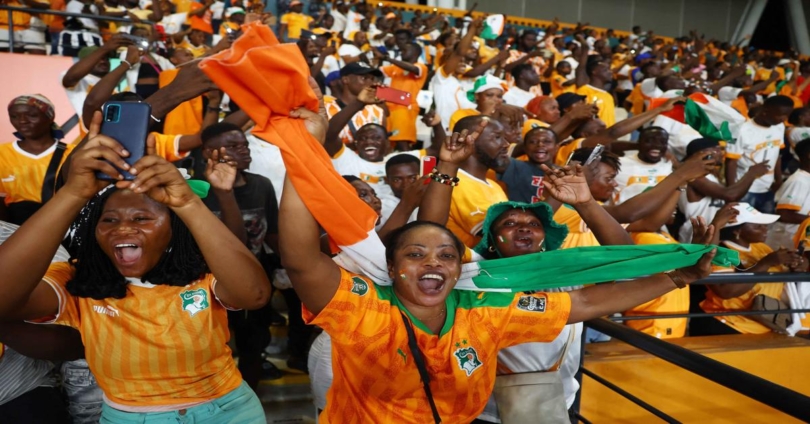
Algeria, Cabo Verde, Côte d’Ivoire and Senegal are all scheduled to play group-stage matches in the United States, meaning their supporters must obtain U.S. visas to follow their teams.
Côte d’Ivoire, drawn in Group E alongside Germany and Curaçao, will play two of their three group matches in Philadelphia—against Ecuador on June 14 and Curaçao on June 25.
Their only match outside the U.S. is the second group game against Germany in Toronto, Canada on June 20.
For Ivorian fans hoping to follow the Elephants’ World Cup journey in the United States, meeting the visa bond requirement may now be unavoidable.
The situation is similar for Senegal.
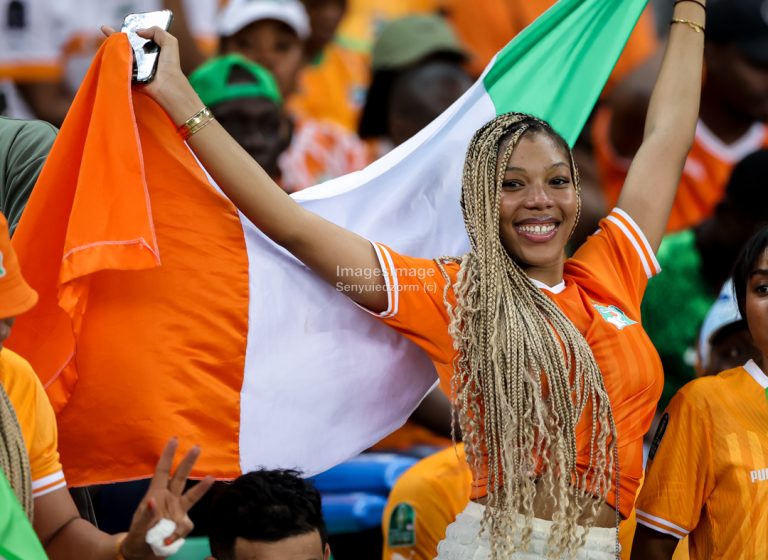
Pape Thiaw’s side has been drawn in Group I, with their first two matches—against France on June 16 and Norway on June 23—scheduled for MetLife Stadium in New York.
Their final group game will be played in Toronto on June 26.
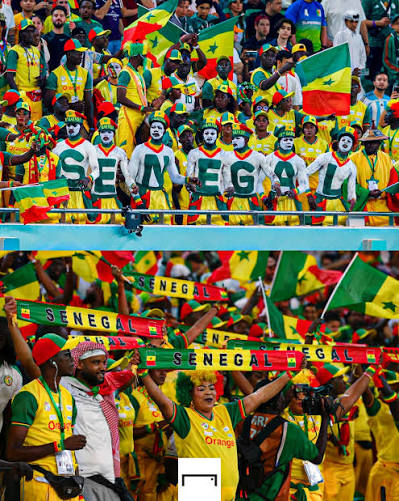
The prospect of paying a five-figure visa bond before even booking flights and accommodation presents a significant financial hurdle for Senegalese fans hoping to recreate the country’s renowned World Cup atmosphere.
Limited alternatives for Algeria and Cabo Verde fans
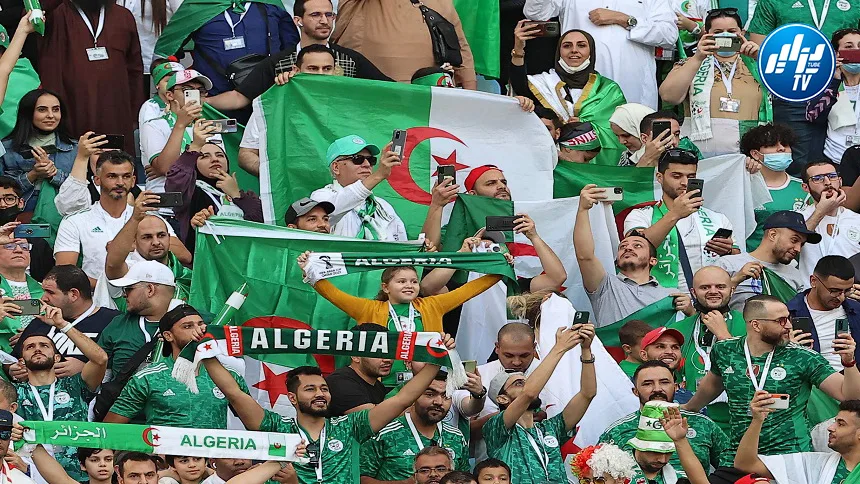
Algeria, placed in Group J, will play Argentina and Canada in Kansas City on June 17 and 27, with a mid-group fixture against Jordan in California on June 23.
For Algerian supporters, there are no alternative visa routes to bypass U.S. entry requirements, meaning access to matches depends entirely on satisfying the visa bond conditions—conditions that also restrict ports of entry and exit.
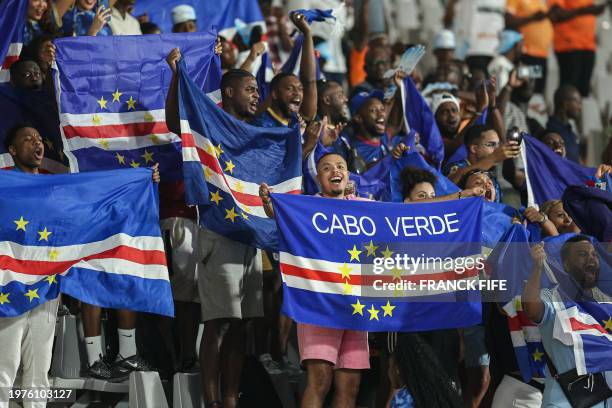
Cabo Verde, competing in the World Cup for the first time in the country’s history, has been drawn in Group H. Their matches will all take place in the United States—against Spain in Atlanta on June 15, Uruguay in Miami on June 21, and Saudi Arabia in Houston on June 27.
For Cabo Verdean fans, compliance with the bond requirement may be the only way to witness their historic World Cup debut in person.
How the visa bond works
According to the U.S. Department of State, the visa bond scheme operates as follows:
Eligible B1/B2 visa applicants from listed countries may be required to post a bond of $5,000, $10,000 or $15,000
The bond is requested only at the discretion of a consular officer.
Payment must be made exclusively via Pay.gov, using DHS Form I-352
Paying the bond does not guarantee visa approval
Fees paid without official instruction are non-refundable
Bond holders must enter and exit the U.S. through designated airports, including:
Boston Logan International Airport (BOS)
John F. Kennedy International Airport (JFK)
Washington Dulles International Airport (IAD)
Failure to comply with these conditions could result in forfeiture of the bond.
Countries affected by the visa bond requirement
The U.S. Department of State lists the following countries under the pilot programme:
Algeria, Angola, Antigua and Barbuda, Bangladesh, Benin, Bhutan, Botswana, Burundi, Cabo Verde, Central African Republic, Côte d’Ivoire, Cuba, Djibouti, Dominica, Fiji, Gabon, The Gambia, Guinea, Guinea-Bissau, Kyrgyzstan, Malawi, Mauritania, Namibia, Nepal, Nigeria, São Tomé and Príncipe, Senegal, Tajikistan, Tanzania, Togo, Tonga, Turkmenistan, Tuvalu, Uganda, Vanuatu, Venezuela, Zambia, Zimbabwe.
Latest Stories
-
GH¢1.5m raised to renovate historic Wa Naa’s Palace
57 seconds -
‘Still a work in progress’ – Eric Tinkler admits Kotoko have plenty to improve
2 minutes -
Travellers can take up to GH¢500 in Ghanaian currency out of the country – Customs
5 minutes -
Thousands gather at Glorified 2026 as Perez Musik leads worship
5 minutes -
Mahama renews Ghana’s call for end to US economic embargo on Cuba
6 minutes -
Drive to Inspire – Africa challenges UESD students to build resilient, sustainable futures
9 minutes -
Mahama challenges Non-Aligned Movement to move from declarations to action
9 minutes -
GRA: Permit from Interior Ministry required to import arms, ammunition
11 minutes -
GIIF records GH¢1.62bn loss in 2025 after GH¢2bn profit in 2024
12 minutes -
Mahama urges Non-Aligned Movement members to strengthen Global South influence
13 minutes -
UMB becomes first bank approved by BoG and SEC to offer virtual accounts
53 minutes -
Maximus Attah writes: Vacancies that never hire
1 hour -
‘When the time comes, I will speak’ – Kurt on third-term GFA presidential bid
2 hours -
UMB S.P.E.E.D. Stars lift Bankers Football Gala trophy
2 hours -
MMFL makes strong showing at JoySports Invitational 2026
2 hours