

Audio By Carbonatix
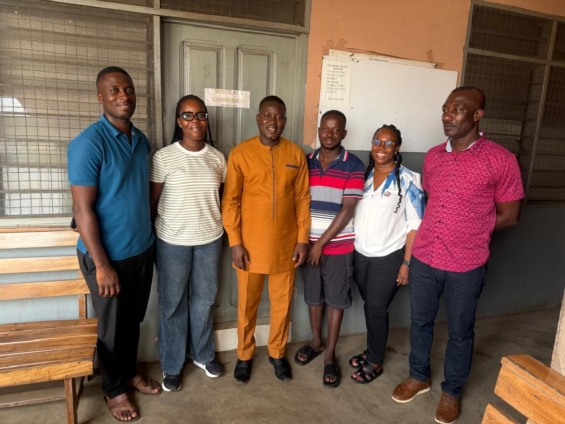
The Deputy Chief Executive of the Minerals Commission, Mr A. Y. Maxwell Klu, has called for a renewed commitment to the fight against the illegal exploitation of Ghana’s minerals, including gold, gravel and sand, across Ghana’s mining regions to ensure environmental sustainability.
Speaking at a workshop organised by the Minerals Commission for stakeholders in the Volta and Oti Regions, he said that in view of the challenges posed by illegal mining activities, there was the need for renewed efforts to curb the menace.
The theme of the workshop, “Judicious Operations in Sand, Gravel, Stone, Laterite Winning and Quarrying,” he noted, was not only timely but essential.
Mr Klu said that as the country continued to develop, the demand for industrial construction minerals such as sand, gravel, stone and laterite would naturally increase, but stressed that these materials must be sourced legally to ensure environmental sustainability and safety.
He explained that the workshop sought to clarify the legal frameworks governing industrial mineral operations, promote responsible and environmentally sound extraction methods, strengthen partnerships between the Commission, district assemblies, traditional authorities and operators, and encourage community involvement and transparency in decision-making.
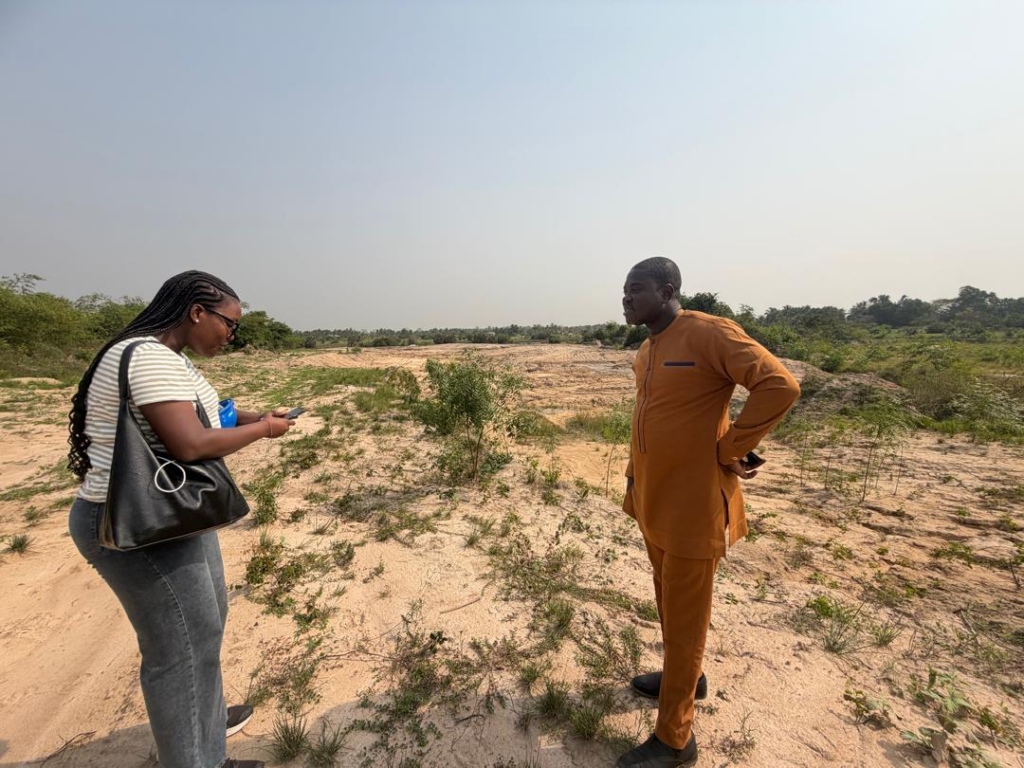
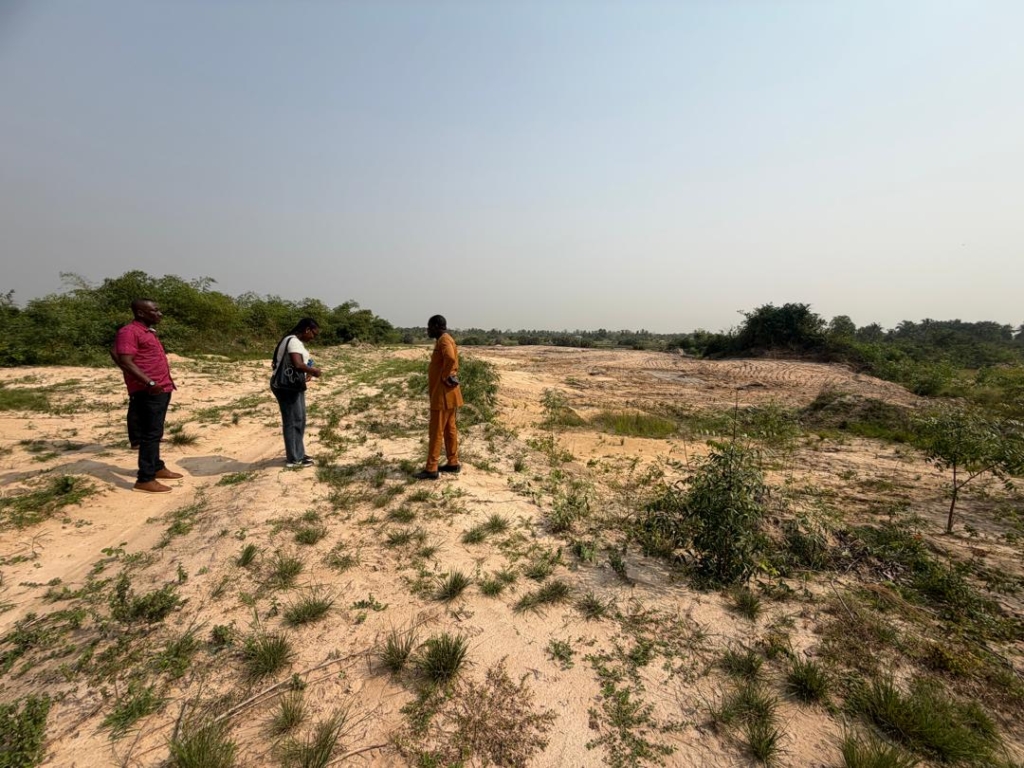
The Deputy Chief Executive also took the opportunity to tour some reclaimed areas that had been degraded as a result of sand and gravel winning.
“These materials for development are the backbone of the country’s infrastructure—housing, roads and others—but their extraction must be balanced with environmental stewardship, community safety and legal compliance,” he said.
Mr Klu noted that the illegal sourcing of these resources continued to cause significant environmental damage. Illegal sand, gravel, stone and laterite winning, as well as galamsey, he said, have led to the pollution of water bodies, destruction of forest reserves, serious health problems and pose a threat to the very existence of mankind.
He said the Minerals Commission, together with other security agencies, had intensified efforts to combat these illegal activities and stressed the importance of staff of the Commission, with the support of all stakeholders, being part of the solution.
“Our mandate at the Minerals Commission is clear: to regulate and manage the sustainable development of mineral resources for the benefit of all Ghanaians,” he said.
This mandate, he added, includes ensuring that small-scale operations adhere to best practices that protect the country’s land, water bodies, forest reserves, public health and livelihoods.
In recent years, Mr Klu said the Commission had observed challenges in sand, gravel and laterite winning activities, which often occur informally and sometimes illegally.
“These practices, if left unchecked, could lead to land degradation, pollution and conflict among stakeholders,” he said, adding that the workshop was critical as it provided a platform for education, collaboration and reforms to ensure environmental safety and sustainability.
The Deputy Chief Executive emphasised that the Minerals Commission was not in place to frustrate legitimate operators. “We are here to support you, to provide guidance, technical assistance and regulatory clarity,” he said.
He added that while the Commission would continue to provide the necessary regulatory framework, it would also enforce the law where necessary. “Our goal is to create a mining ecosystem that is safe, profitable and sustainable,” he stated.
Mr Klu urged participants to support the Commission in shaping a future where industrial minerals are harnessed wisely for present and future generations.
Participants took advantage of the sessions to make suggestions and ask questions aimed at promoting national development while protecting the environment.
Latest Stories
-
Freezy Mɑcbones wins WBO Africɑ Light Heɑvyweight title in Lɑgos, Nigeria
2 minutes -
John Boadu is ‘an exceptionally gifted political figure’ – Prof Mike Oquaye
18 minutes -
NDC must study NPP congress closely for strategic lessons – Mustapha Gbande
25 minutes -
NDC has built strong structures to face any electoral challenge – Mustapha Gbande
35 minutes -
John Boadu can appeal across Ghana’s social groups – Prof Mike Oquaye
43 minutes -
‘Electing Kojo Bamba is backward politics’ – Mustapha Gbande
57 minutes -
Government must order payment of promoted teachers’ salaries – GNAT
1 hour -
Meet Sethina Edem Sunu, the healthcare professional eyeing the NDC UK & Ireland deputy organiser role
1 hour -
The myth of ‘sophisticated customer experience’ in the digital age
1 hour -
What happened to lands reserved for sanitary sites? -WasteCare CEO calls for audit
1 hour -
Manasseh Writes: The shift in the NPP
2 hours -
The price of a seat: Financial barriers and the structural quality of Ghana’s Parliament
2 hours -
Government targets October 16 for first tranche of teacher arrears – Haruna Iddrisu
2 hours -
Daily Insight for CEOs: The CEO’s role in driving innovation
2 hours -
Audit existing sanitary sites to address waste management land shortages – WasteCare CEO urges assemblies
2 hours