

Audio By Carbonatix
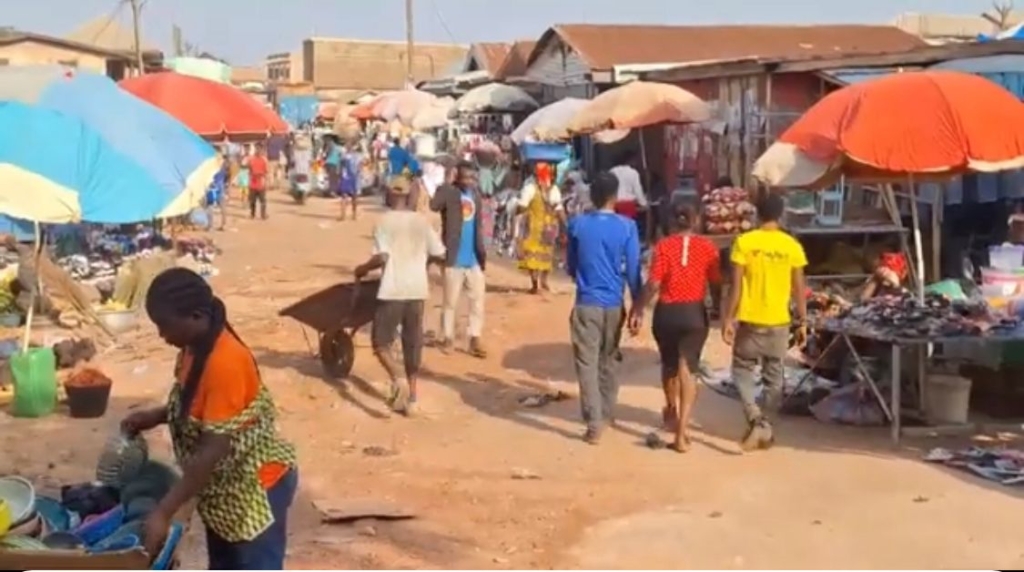
The Techiman Central Market, usually alive with the banter of buyers and sellers, fell silent on Monday. Grief and fear replaced the usual bustle following the killing of seven Ghanaian tomato traders in a militant attack in northern Burkina Faso.
The traders were among a group of 18 who had travelled to Titao to purchase tomatoes when insurgents stormed the area on Saturday. According to Ghana’s Interior Minister, the attackers separated the men from the women before opening fire. Seven never returned home.
A journey that ended in tragedy
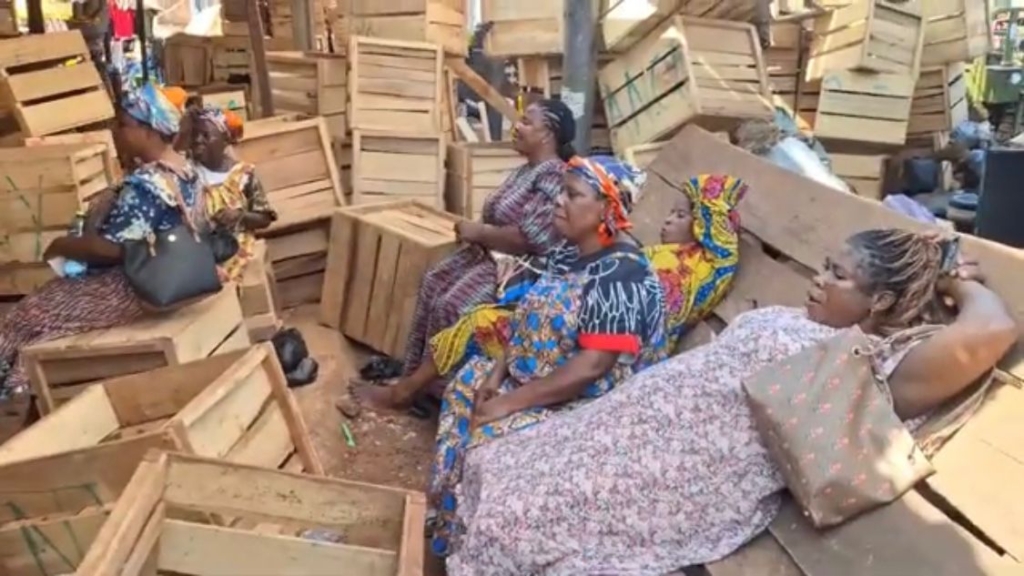
For the trading community in Techiman, the news struck “like a thunderbolt”. The attack has shaken the fragile sense of security among traders who regularly cross the border to secure supplies during Ghana’s dry season.
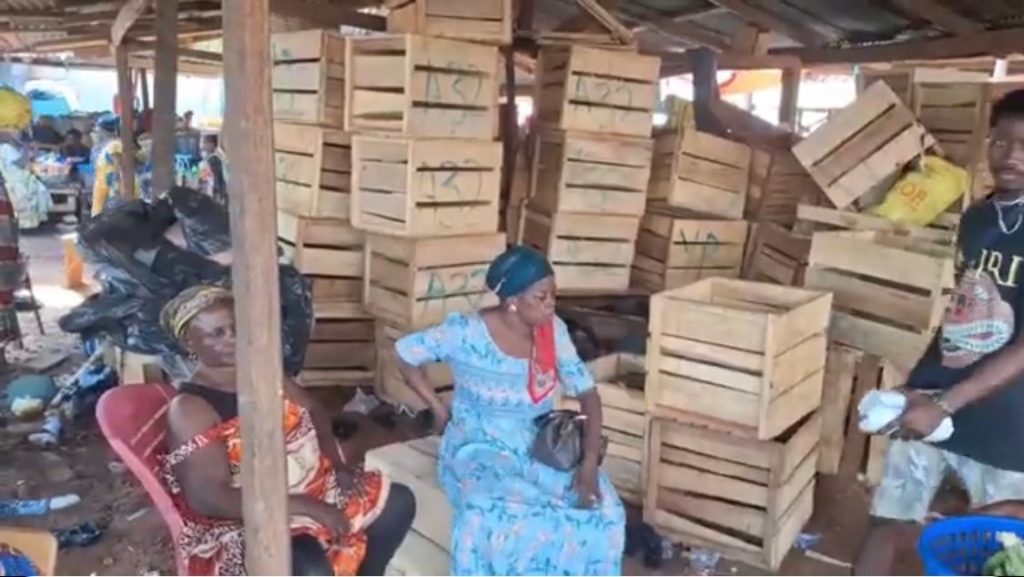
Market leaders described years of navigating logistical difficulties, unpredictable border conditions and mounting insecurity. Now, they say, the risks have become unbearable.
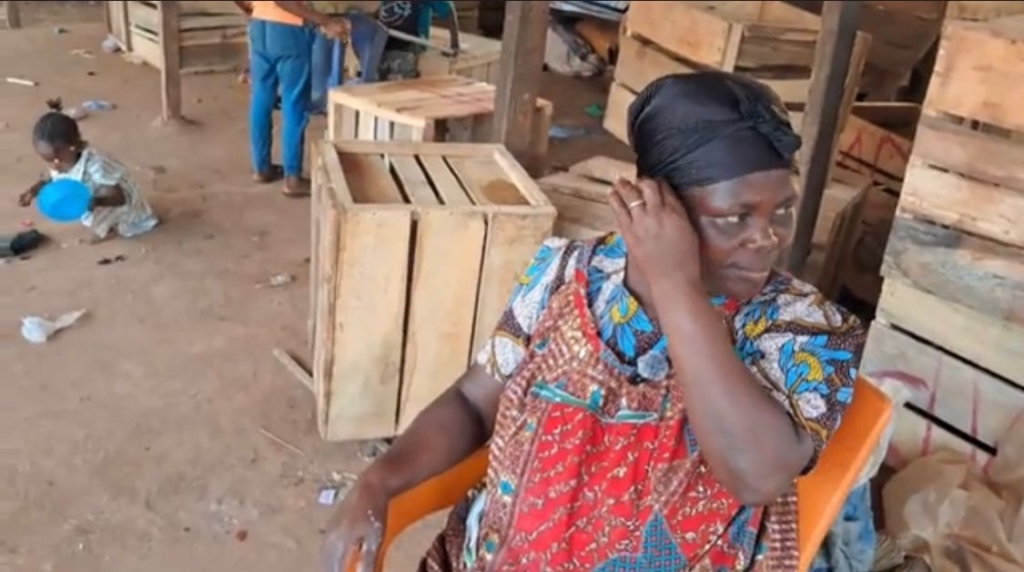
“We go there because we have no choice,” said Madam Akua, a veteran trader, her voice trembling with grief. “But now we fear we are walking into a trap. We are pleading with the government. We cannot keep burying our sisters.”
Comfort Aframah, Patron of the Techiman Tomato Traders Association, said the incident has left members devastated.
“We are shocked by what has happened because we sent representatives to buy from Burkina Faso. When our people are killed in such situations, how do we continue with our business?” she asked. “We are deeply worried about the safety of our people.”
Call for irrigation and local production
Beyond immediate security concerns, the tragedy has reignited calls for long-term agricultural investment. The traders are appealing to President John Mahama’s administration to prioritise irrigation to enable year-round tomato farming in Ghana.
“We are appealing to the Ghanaian government to institute irrigation facilities here so that unemployed youth can be engaged on farms,” Comfort Aframah said. “That way, we can stop taking these dangerous risks of travelling to other countries for tomatoes.”
Nana Akua Florence echoed the concern: “If farmers in Ghana could farm all year round, there would be no need for these perilous journeys.”
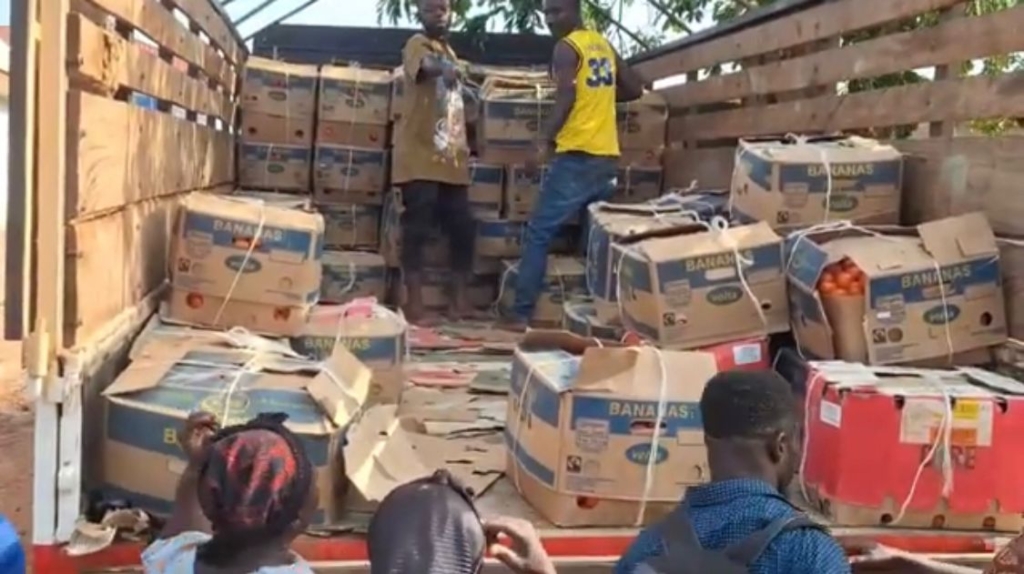
Tomatoes remain a staple in Ghanaian households but are largely seasonal, forcing traders to depend on imports from neighbouring countries such as Burkina Faso and Niger during the dry season. That reliance, traders say, has now cost seven lives.
Grief and a demand for change
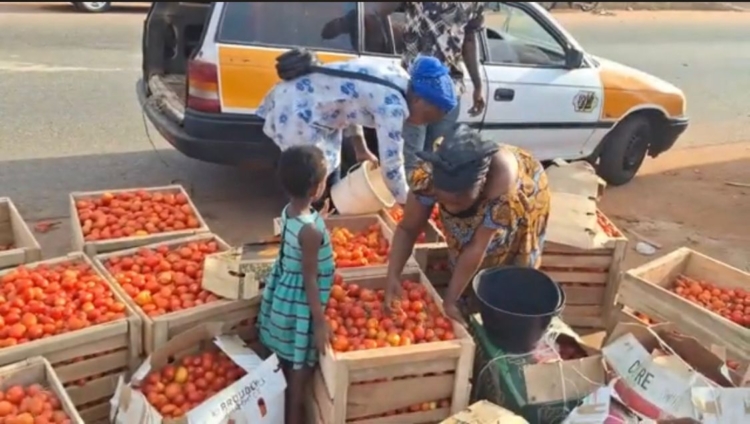
At the market, crates of tomatoes — many sourced from across the border — stood as a stark reminder of the trade’s risks. Traders spoke of a future where Techiman’s stalls would be filled with locally grown produce throughout the year.
They want to face only market price fluctuations, not armed violence.
For now, attention is focused on mourning and supporting the families of the seven women who lost their lives. But beneath the sorrow is a determined call for structural change — investment in irrigation and agricultural infrastructure that could protect livelihoods, strengthen food security and prevent further tragedy.
For these traders, the cost of a tomato has become far too high.
Latest Stories
-
Are we marketing Ghana before fixing the experience? A hard question for our tourism ambition
4 minutes -
AFCON 2027Q: Prince Adu Kwabena major doubt for Ghana after head injury
5 minutes -
Government to procure furniture to help more SHSs move from double-track — Haruna Iddrisu
12 minutes -
Adutwum spokesperson alleges ‘turf war’ between Education Ministry and GES over Free SHS
14 minutes -
Black Stars: Adu Kwabena a doubt for September-October games after head injury
26 minutes -
Fire guts four-bedroom apartment at Millennium City
28 minutes -
KMA seeks funding to restart stalled Kumasi Central Market Phase II project
48 minutes -
Government unveils new guidelines to improve regulation of non-profit organisations
53 minutes -
Annoh-Dompreh cautions against partisan application of law in political speech cases
1 hour -
Oti Peace Council sensitises Assembly Members in Jasikan, Kadjebi on conflict prevention
1 hour -
Nawara petitions Ghana Police over alleged armed raid, gold seizure and destruction of mining equipment
1 hour -
Ahafo Ano South West DCE Abubakar Sedik dies after brief illness
1 hour -
Ghana must draw lessons from Nkrumah’s Seven-Year Development Plan — Kwesi Pratt
1 hour -
Oil hits over 1-week low on hopes of boost to diplomacy in Iran war
3 hours -
They take GH¢100, sometimes GH¢200 – Okada riders allege police extortion in Accra
3 hours