

Audio By Carbonatix
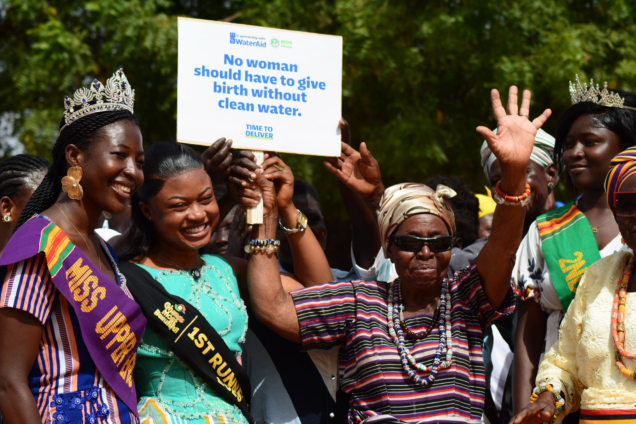
WaterAid Ghana and its partners have launched the district-level “Time to Deliver” Women’s Health Campaign in the Bongo District of the Upper East Region.
It called for urgent investment in clean water, sanitation, and hygiene (WASH) services in healthcare facilities.
The campaign was also launched at the national level in Accra, with participation from government officials, development partners, and civil society leaders.
It aims to improve maternal and newborn health and is being rolled out simultaneously in several countries to draw global and national attention to the critical role of clean water in safe childbirth.
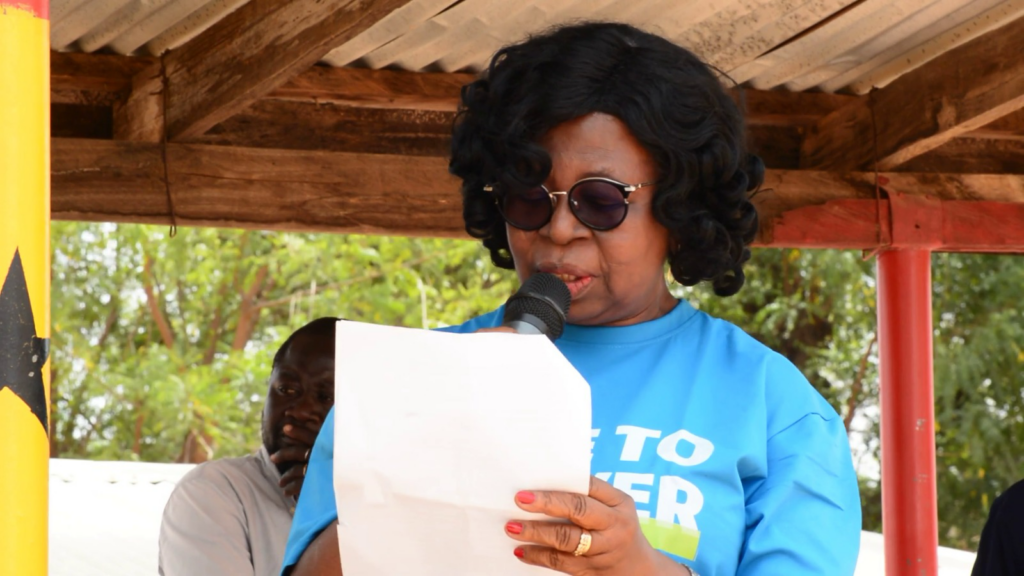
Delivering a speech on behalf of the Country Director of WaterAid Ghana, Ewurabena Yanyi-Akofur, Fauzia Aliu stressed that access to clean water is essential to saving lives.
“Every two seconds, a woman gives birth in a healthcare facility without clean water, and each year, more than one million mothers and newborns die from preventable infections linked to unsafe births,” she said.
Aliu emphasised that such figures represent real people and families, not just statistics, and called for collective action to address the challenge.
She explained that the campaign is advocating three key actions: increased investment in WASH infrastructure in healthcare facilities, stronger policy commitment and accountability, and amplified community voices to demand safe and dignified childbirth.
“WASH is not optional. WASH is healthcare,” she stressed.
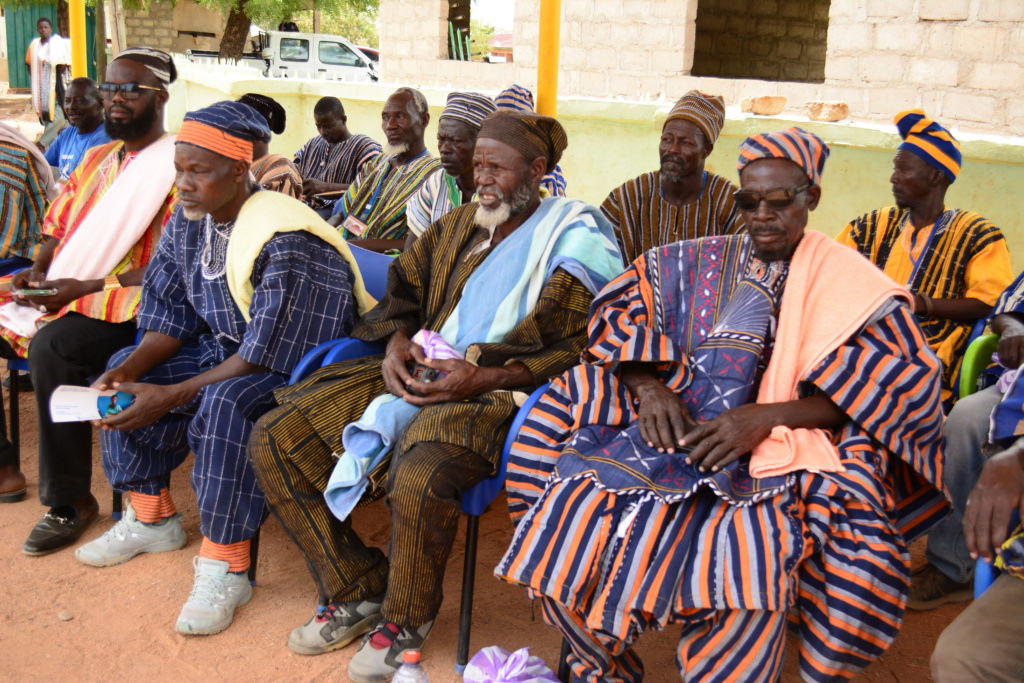
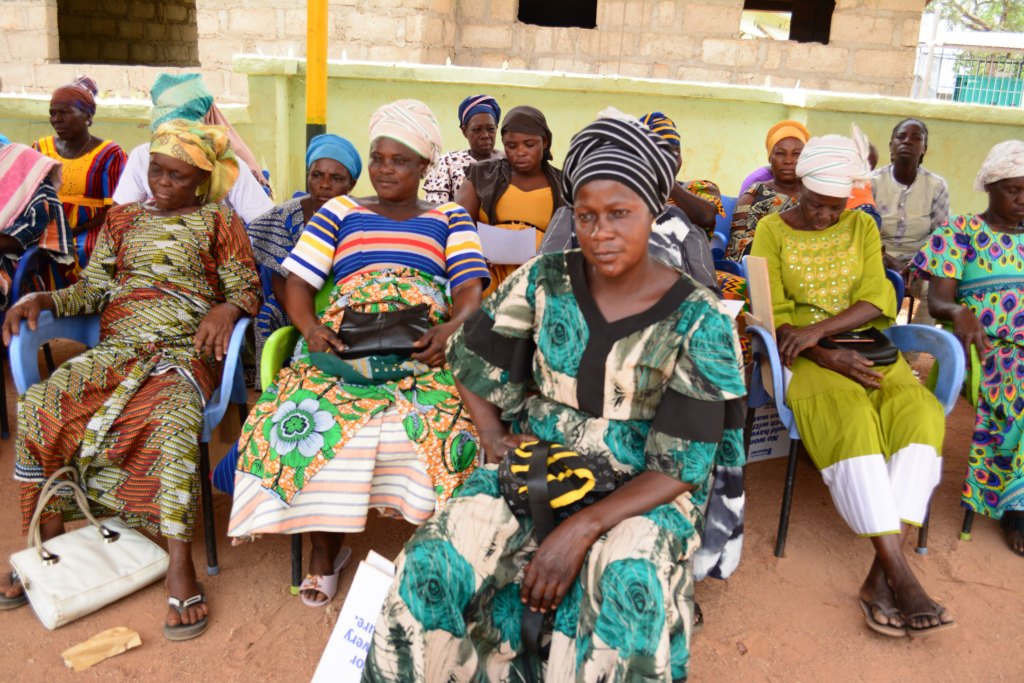
The event brought together traditional leaders, government representatives, health officials, community groups, and youth, highlighting the importance of partnerships in improving maternal health outcomes.
The Behasun Integrated Development Organisation (BIDO) Ghana, a rural development NGO based in the Northern Region, is partnering with WaterAid Ghana in the “Time to Deliver” Campaign.
Executive Director of BIDO Ghana, Georgina Amidu, said the campaign aims to promote practical solutions through collaboration among stakeholders.
She said engagements with communities and WASH ambassadors had revealed the urgent need for improved services.
“Access to clean water, safe sanitation, and proper hygiene in healthcare facilities is not a luxury. It is a necessity for quality healthcare and human dignity,” Amidu noted.
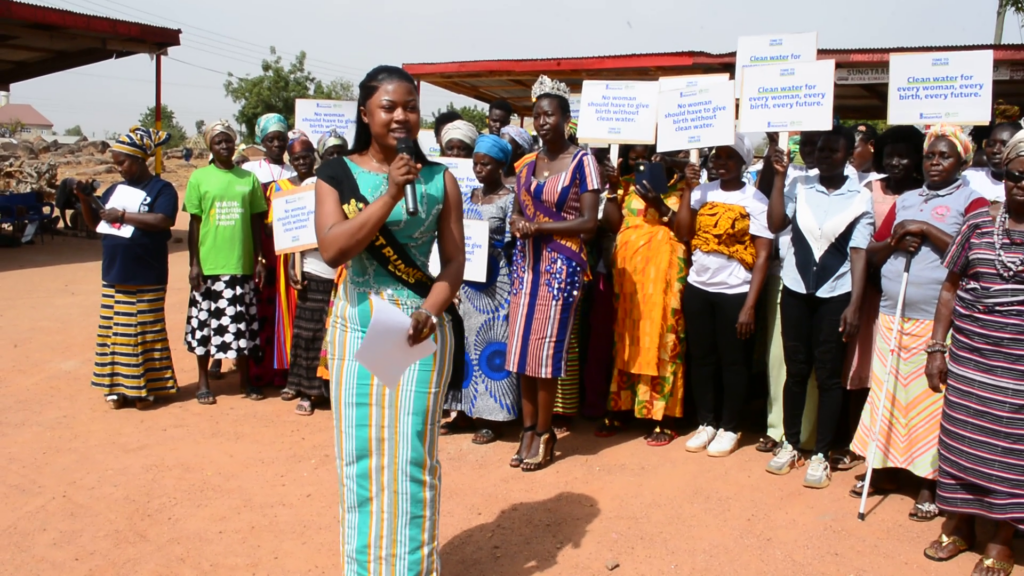
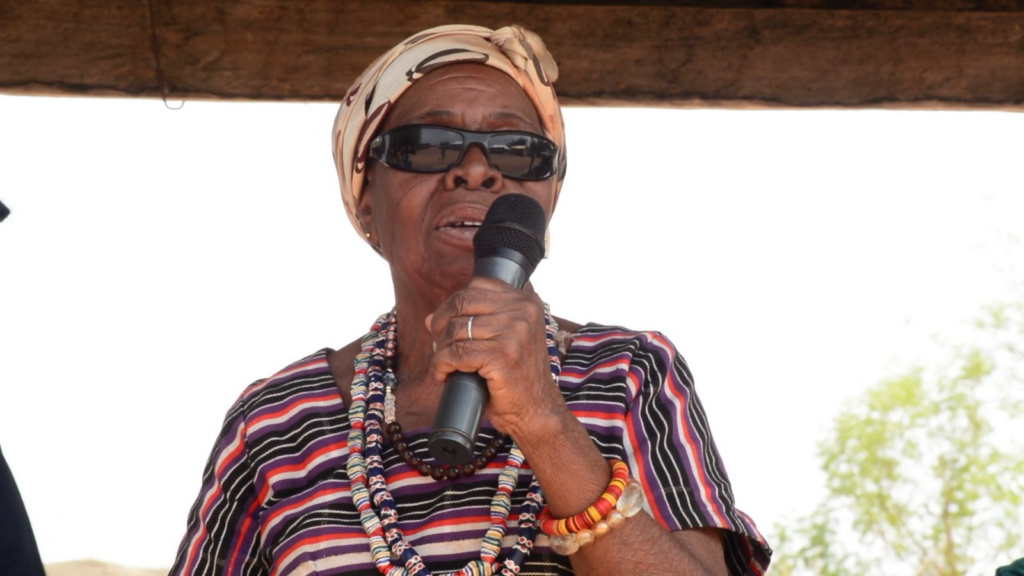
The Queen Mother of Bongo, Pognaba Christiana Nge, also underscored the importance of sanitation and community support, particularly from men, in safeguarding women’s health.
“When WaterAid came, one of the first things they focused on was our health, and they are still committed to it. Today, my chief and I are touring the district to sensitise our people on environmental cleanliness, good health, and ending open defecation,” she said.
She highlighted the challenges women face after childbirth due to poor sanitation and lack of water.
“In some areas, sometimes, after delivery, women suffer in unhygienic conditions without water. We are appealing to our men to support us so that when women give birth, they remain healthy, dignified, and able to care for their families,” she added.
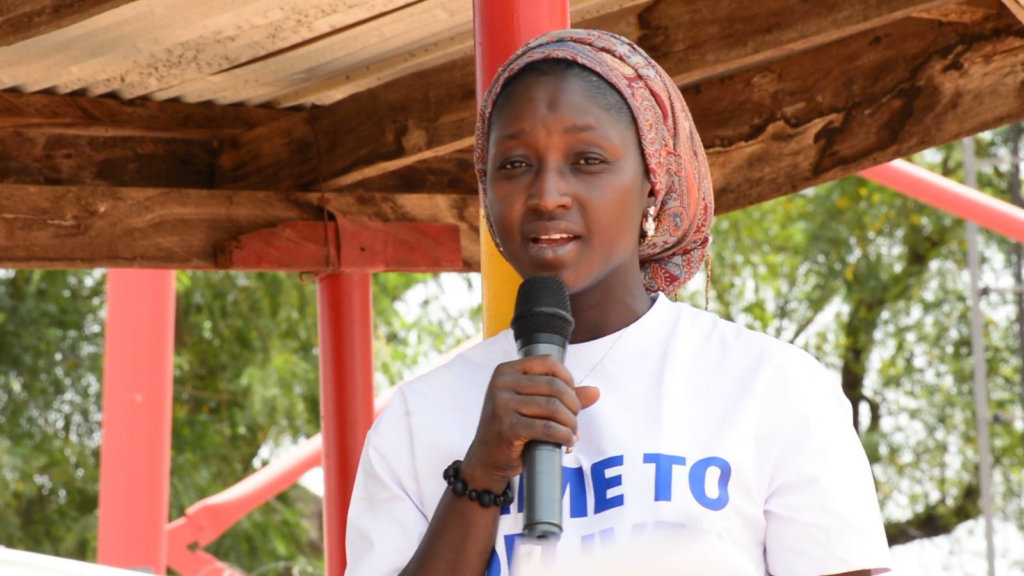
Also addressing the gathering, Ghana’s Most Beautiful Pageant First Runner-Up, Asakia Hawawu Hanan, who has been named an ambassador of the “Time to Deliver” Campaign, made an emotional appeal, urging stakeholders to prioritise maternal health.
“Today, I do not just want to talk about statistics; I want to talk about humanity,” she said.
She added, “Imagine going through the pain of labour and being told there is no water to wash up after giving birth. Imagine surviving childbirth, only to die days later because basic hygiene—like washing hands with soap and water—was not observed.”
Asakia called on investors and stakeholders to support the initiative.
“It is time for us to come together and bring this project to life. We cannot keep losing lives. Today, we say no more women are going to die. Our mothers should go to health facilities and return home without infections,” she stressed.
The launch concluded with a strong call for sustained commitment from government, communities, and partners to ensure that every healthcare facility is equipped with adequate WASH services.
Latest Stories
-
Ghana’s BRICS move requires clear strategy to manage risks – Godfred Bokpin
18 seconds -
Pay teachers realistic income – Duncan Amoah to gov’t
16 minutes -
Bechem to become chicken capital of Ghana – Mahama projects
18 minutes -
Gov’t targets recruitment of 16,500 health professionals in 2026
39 minutes -
Two-week strike will not derail academic calendar – GNAT President
54 minutes -
Headmaster detained after BBC investigation into alleged sexual abuse of students
1 hour -
GNAT pushes for clear implementation procedures of teachers’ conditions of service
1 hour -
Recurrent strikes threaten quality of education and academic calendars – Prof Bokpin
1 hour -
‘Cockroach’ group leaders among hundreds detained in Delhi protest
1 hour -
Don’t let speed of information become your judgement – CJ tells new lawyers
2 hours -
World Cup visa scandal: People have leveraged public office to facilitate fraud – Senyo Hosi
2 hours -
Glut! Farmers count losses as prices crash, customers happy
3 hours -
GSA postpones auction of unserviceable vehicles
3 hours -
Man charged with attempted murder after stabbing
3 hours -
World Cup visa scandal: Senyo Hosi says issue goes beyond calls for Sports Minister’s resignation
3 hours