


Audio By Carbonatix
The Ghana Association of Microfinance Companies (GAMC) has pleaded with the Bank of Ghana (BoG) to review the implementation timeline of its proposed reforms for the microfinance sector. They warn that the measures could force many institutions out of business and undermine financial inclusion.
Under the proposed reforms, microfinance institutions seeking to operate as Microfinance Banks would be required to meet a minimum capital threshold of GH¢50 million by the end of December 31, 2026. Institutions that fail to comply may have to merge, be acquired, downgrade their licences, or cease operations.
Speaking at a roundtable discussion on the future of the sector, Board Chairperson of GAMC, Rebecca Addo, argued that while the industry supports reforms aimed at strengthening the sector, the timelines and capital requirements are unrealistic for many operators.
She called on the central bank to adopt a phased approach that would allow institutions to gradually meet the requirements over several years.
"Give us a tiering system within the reforms and give us time to implement and meet the requirements. If, for instance, the Bank of Ghana wants us to meet a target, it should be spread over a period with clear milestones rather than expecting full compliance within such a short time frame," she said.
According to her, the current proposal risks placing excessive pressure on microfinance institutions, many of which play a critical role in serving underserved communities.
Madam Addo further warned that the reforms could have unintended consequences on Ghana's financial inclusion agenda if a significant number of institutions are unable to comply.
"Once these reforms come into place and some companies are unable to meet the requirements and leave the system, a whole lot of the unbanked are going to be left without banking services. We have regions where a single microfinance institution serves the entire area because it is not profitable for traditional banks to operate there," she noted.
She stressed that the closure of such institutions could leave entire communities without access to formal financial services.
Meanwhile, Principal Consultant at Protage Consult, David Aguda, raised concerns about foreign ownership within the microfinance industry. He urged regulators to consider restrictions to safeguard the local economy.
According to him, while foreign investment is welcome, unrestricted ownership could lead to significant profit repatriation, increasing pressure on Ghana's foreign exchange reserves.
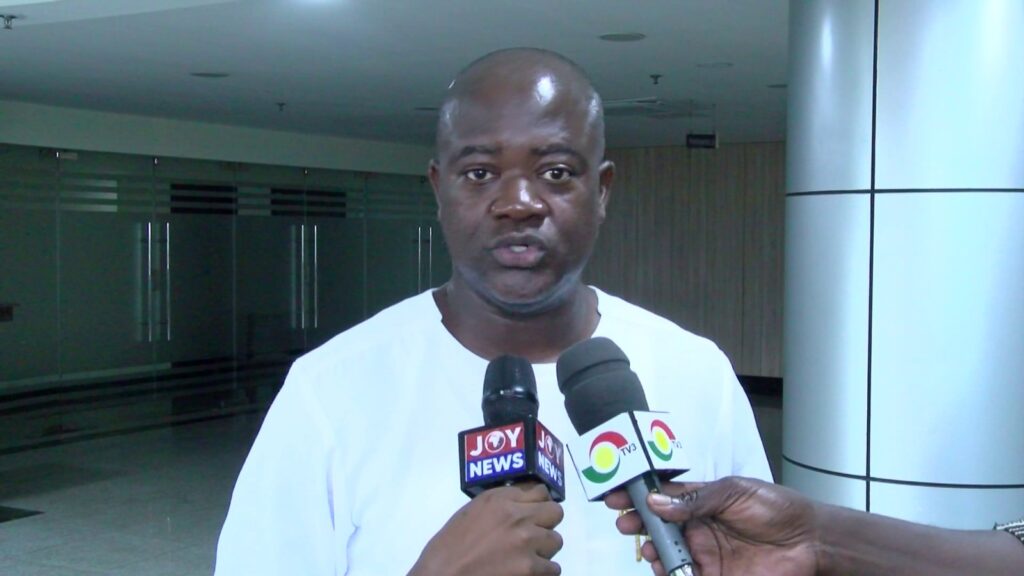
"Microfinance, when run efficiently, is extremely profitable. When those profits are repatriated, it places additional pressure on foreign currency demand. We are not against foreign ownership, but there should be limitations," he said.
Mr. Aguda pointed out that under the current framework, a foreign-owned company can legally own 100 percent of a microfinance institution, a situation he believes requires further regulatory scrutiny.
The concerns were raised as industry players continue to engage the central bank on the proposed reforms, with stakeholders advocating a balanced approach that strengthens regulation while preserving the sector's role in supporting small businesses, low-income earners, and financially excluded communities across the country.

Latest Stories
-
Chief of Staff directs ecological restoration of reclaimed Kpeshie Lagoon
12 seconds -
Driver convicted over concrete spill on Madina-Adenta Highway
4 minutes -
Photos: Prospective homeowners turn up in numbers for final day of JoyNews–Republic Bank Habitat Fair
7 minutes -
Aggrieved teachers demand payment of unpaid four-year legacy arrears
40 minutes -
Skipping breakfast bad for your health?
53 minutes -
Kpeshie Lagoon reclamation linked to first-ever flooding at Tse Addo – ISD
1 hour -
GRA announces major policy proposal under Modified Taxation Scheme initiative
1 hour -
TCL sues Samsung for false advertising over ‘Mini LED’ televisions
1 hour -
US embassy child abuse images suspect flown from UK before police interview
2 hours -
Payment dispute led to murder of Dr Jesse Amuah and wife at Asylum Down – Court told
2 hours -
COPEC calls for GH¢1 petrol, continuation of GH¢2 diesel subsidy amid price surge
2 hours -
Petrol to sell at GH¢16.26, diesel GH¢19.07 from Wednesday – COPEC
2 hours -
Massive crowds flock to JoyNews–Republic Bank Habitat Fair on final day to explore mortgages and seek expert advice
2 hours -
Ghana’s Alice Banaaza spotlights fugu weaving at 2026 CHAN Festival in UK
3 hours -
Russia’s Youth Festival could unlock business partnerships and scholarships for Ghanaian youth – John Aggrey
3 hours