

Audio By Carbonatix
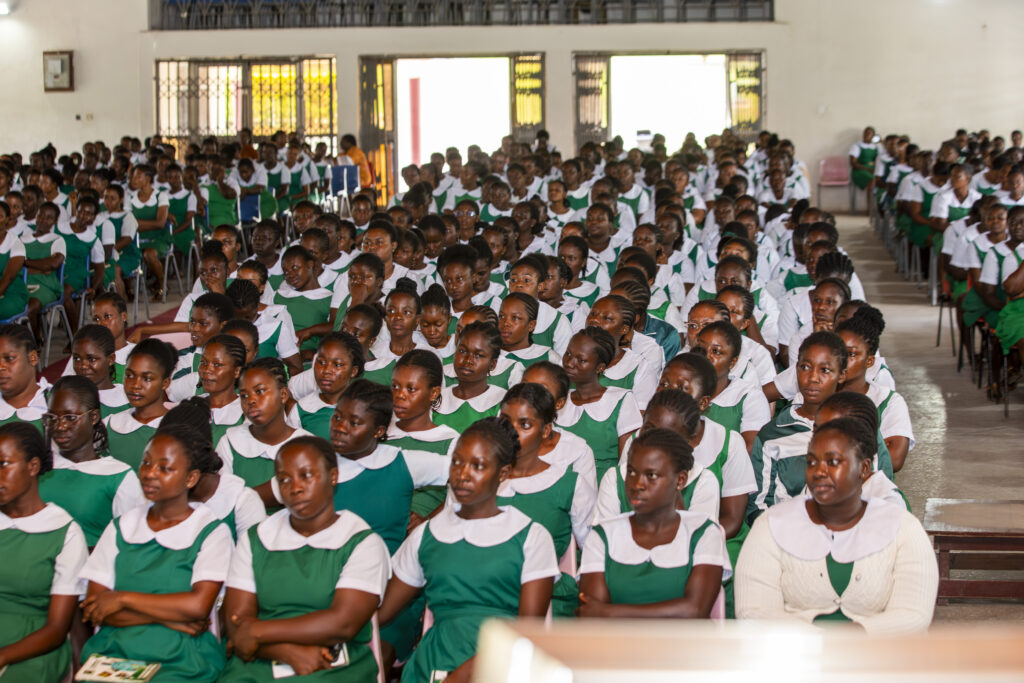
Ninety-five years after Anglican missionaries established St Monica's College of Education at Asante Mampong in the Ashanti region to train young women, the fight for equal educational opportunities for girls in Ghana is not over, according to the chairman of the institution's governing council.
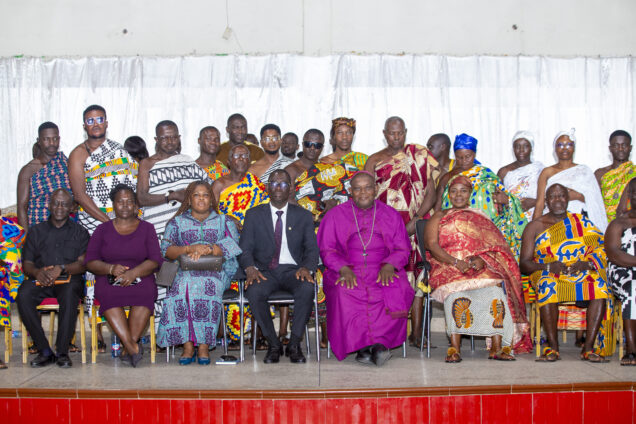
Speaking at the college's 95th anniversary lecture in Mampong, Most Rev. Dr Cyril Ben-Smith said educating women remained fundamental to building sustainable communities, strengthening economies and promoting social cohesion.
"Educating the girl child is a prelude to sustainability, women's empowerment, economic growth and social cohesion," he told participants at the event, which focused on Education, Leadership and National Development: The Role of Women in Building Sustainable Societies.
The Archbishop said the vision that gave birth to St Monica's nearly a century ago was itself an act of empowerment.
"Teaching is women's empowerment, and this was the brainchild of the Reverend Sisters from Whitby in the UK," he said.
The Sisters, he said, conceived the values of educating young girls at a time when few politicians and other people had recognised the importance of this tool.
Despite progress made over the decades, he argued that some of the attitudes that once kept girls out of classrooms have not entirely disappeared.
"The saying was, 'Kofi, you go to school. Ama, stay with your mother in the kitchen,'" he recalled.
According to him, cultural expectations, poverty and unequal access to opportunities continue to prevent some girls from completing their education.
"We still have women and girls who are not in school and who are not well educated, and it is something that calls for attention," he said.
He cited traditions in certain communities where formal education for women was once viewed as unnecessary, even for those expected to occupy traditional leadership roles.
"Some places believed that if a person wanted to become a chief or a queen mother, there was no need for schooling," he said.
Economic hardship, he noted, remains equally significant. The Archbishop recounted the story of a young woman whose academic future changed after a chance encounter at his office.
Her mother, he said, explained that although the girl had completed secondary school with strong results, the family could not afford university fees and she had turned to petty trading.
"When I saw the results, I almost wept," he said. "Straight away, I said, 'You are going to Anglican University.' She is now pursuing a degree in nursing."
For him, the episode highlighted the untapped potential that exists among many young women across the country.
He acknowledged that early marriage had declined in many communities but warned that teenage pregnancy continued to interrupt the education of thousands of girls.
"We thank God that early marriage has gone down, but pregnancy is still a big issue. These are accidental pregnancies, and that happens a lot in our country," he said.
He also identified inadequate infrastructure and limited access to educational facilities as persistent challenges, particularly in underserved areas.
Most Rev. Dr Ben-Smith stressed that the conversation about girls' education was not solely about equality but about national development itself.
"Women make up more than half of the world's population," he said. "Education is the bedrock of every society."
As St Monica's College marks its 95th anniversary, he urged policymakers, educators and communities to continue investing in girls' education, arguing that sustainable societies cannot be built while sections of the population remain excluded from learning opportunities.
The anniversary lecture formed part of activities marking 95 years since the establishment of St Monica's College of Education, one of Ghana's oldest women's teacher training institutions.
The Principal of the college, Ven. Dr Okyere Korankye, said the institution, which began in 1930 and formally commenced operations in 1931, had reached a significant milestone in its history.
"Starting from 1930... fully starting in 1931, we are in the year 2026, and our school is 95 years," he said.
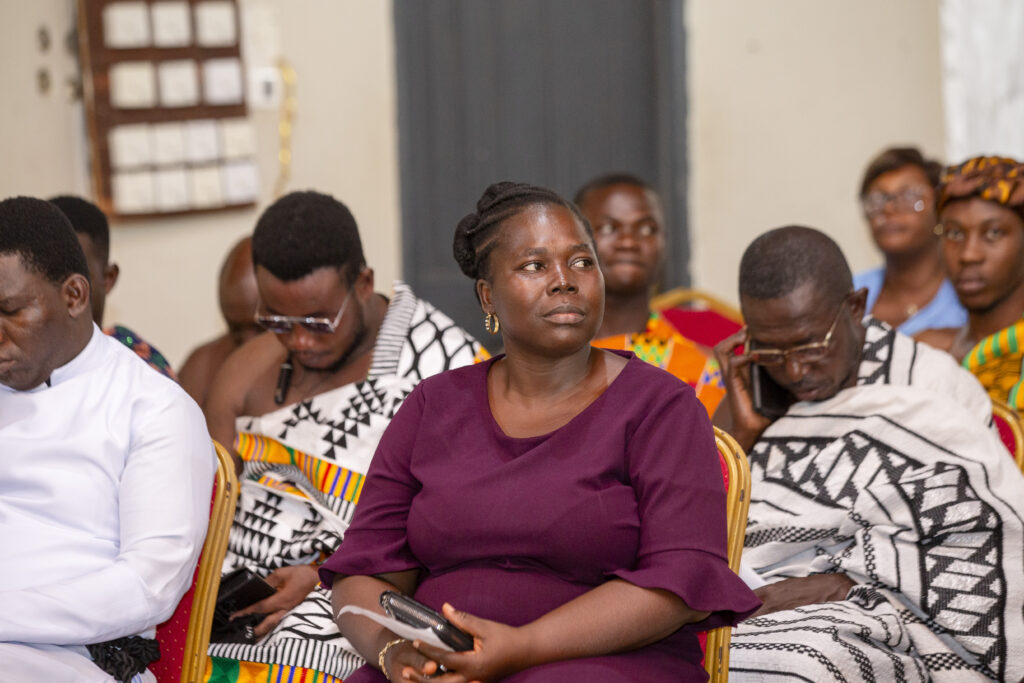
He explained that the public lecture was organised to commemorate the anniversary while creating a platform to examine the contribution of women to education, leadership and national development.
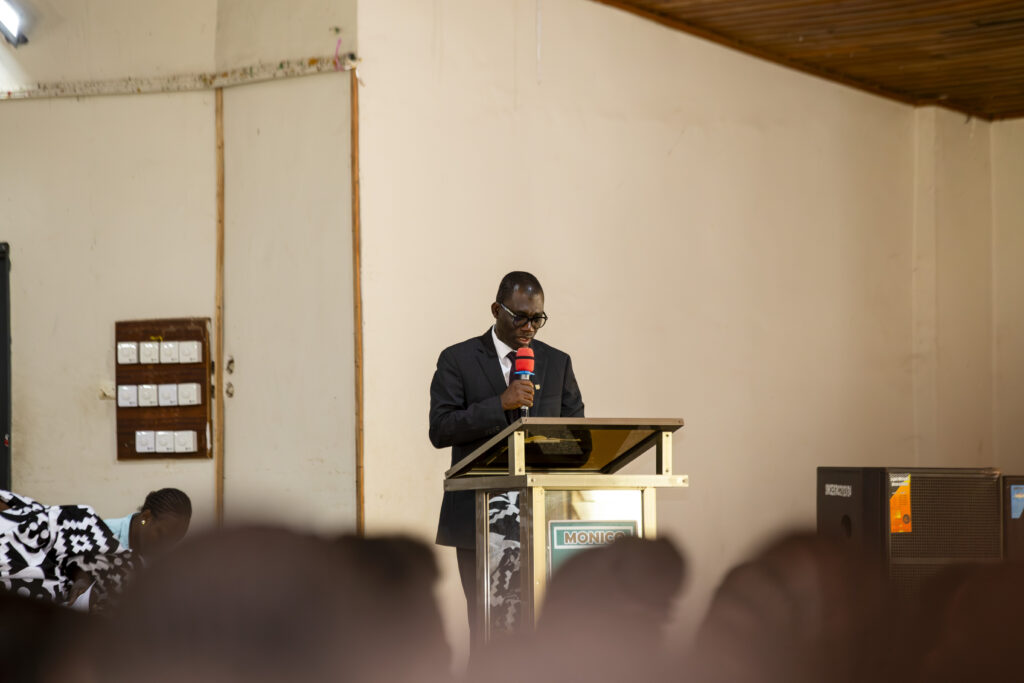
Dr. Korankye said the college selected the Chairman of its Governing Council, Most Rev. Dr. Cyril Ben-Smith, to deliver the lecture because of his longstanding commitment to education and leadership.
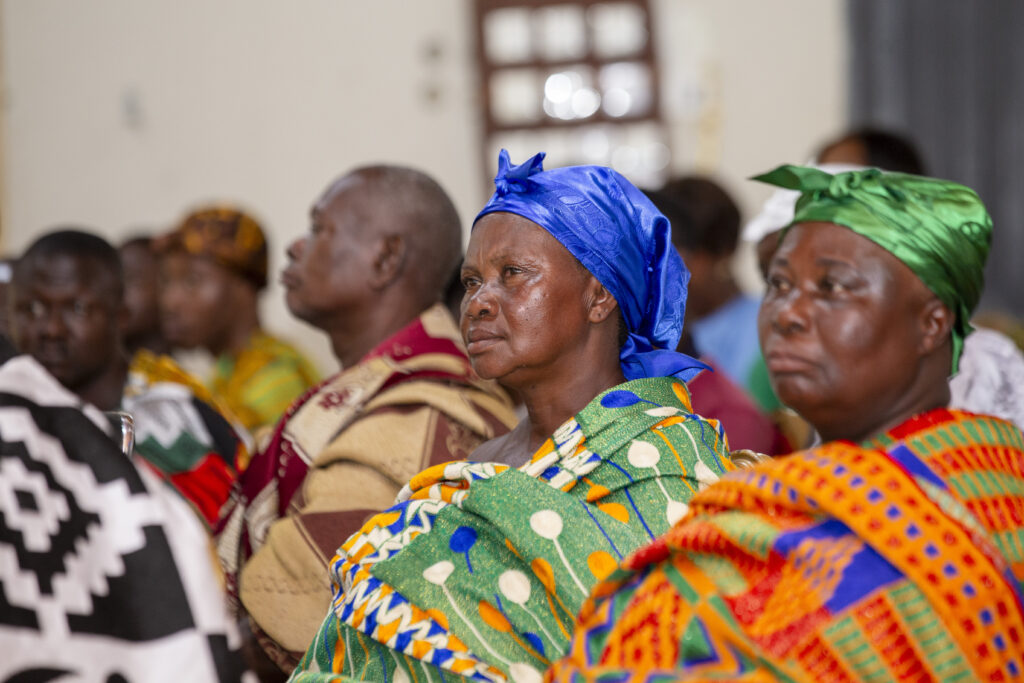
He also highlighted the significance of involving traditional authorities in the celebration, saying the presence of the Mampong traditional leadership reflected the important role chiefs continue to play in shaping communities and supporting education.
"Traditional leadership serves as the bedrock of building any society at all. That's why we invited the Mampong traditional authorities to also listen to the role that women can play in building our society through education and leadership," he said.
Latest Stories
-
I haven’t experienced any envy in the gospel music industry — Ohemaa Mercy
20 minutes -
Prayer does not solve everything — Ohemaa Mercy
31 minutes -
New PURC office symbolises stronger consumer protection – Dr Jinapor
1 hour -
Rev. Wengam re-elected Assemblies of God, Ghana General Superintendent
1 hour -
Less than 20km of clearing left to connect Accra-Kumasi Expressway to Kumasi – Agbodza
1 hour -
US judge strikes down policy suspending immigrant visa processing for 75 nations
1 hour -
MCEs collecting fees from galamseyers are facilitating illegality – Ken Ashigbey
1 hour -
Developer LMI Holdings commits to completing first 700 Saglemi housing units
2 hours -
Africa’s next chapter will be built by institution-builders, not idea-havers
2 hours -
Wenchi Traditional Council suspends Twafohene indefinitely
2 hours -
Kpassa-Merimeri road undergoes filling and levelling works to improve accessibility
2 hours -
9 Blue Water Guards arrested over alleged bribery, impersonation
3 hours -
Wildlife guard shot dead during Kakum patrol
3 hours -
‘I reject them without qualification’ — Afenyo-Markin hits back over Sammy Gyamfi’s claims
4 hours -
GoldBod must appear before a parliamentary inquiry to answer for gold-trade losses — Appiagyei
4 hours