

Audio By Carbonatix
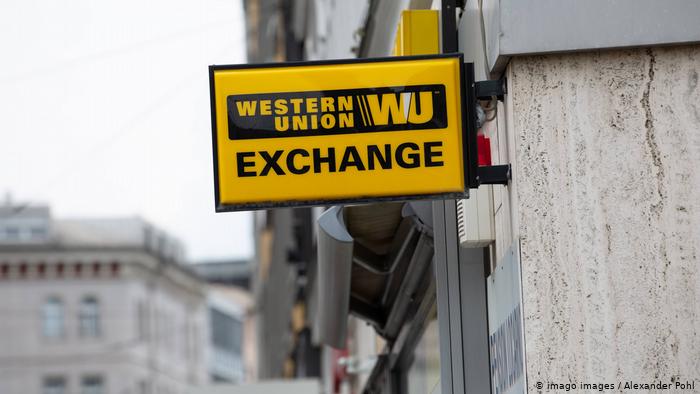
Migrants often make international payments to support their families back home. Now these important transfers have declined dramatically amid the global coronavirus outbreak.
Sunil N. is desperate. The polyglot tour guide from Sri Lanka used to show visitors from Germany and elsewhere around his island. But previous crises have hurt the tourist industry, and the coronavirus pandemic now means he has no source of income. "We are skipping meals," he told DW by email.
Sunil says the government has imposed another curfew, because the virus is spreading again, which means "we don't have money to buy groceries, we have become beggars." With Sri Lanka's tourist sector hit hard by the pandemic, Sunil and his family depend on money sent from friends abroad.
But that might be a problem, because according to World Bank spokesperson Alexandra Klopfer Hernandez, global remittances have dropped recently. "There was a sharp decrease in payments during April and May following the lockdown," she said.
While a certain increase occurred in June and July, Hernandez remains pessimistic about the future: "We predict a further decline of remittances because of high global unemployment among migrants and the economic crisis."
As early as spring, the World Bank was projecting that the pandemic would cause a 20% drop in remittances. In 2019, remittances worth $554 billion (€473 billion) were transferred by migrants to their families back home — $133 billion of which was sent from Europe.
Latest Stories
-
Total number of jobs advertised increased 32% year-on-year to 3,578 in 7 months of 2026
16 minutes -
KNUST to receive 2,000 additional laptops for One Million Coders Programme
19 minutes -
President Mahama urges churches to provide safe spaces for children and vulnerable people
24 minutes -
George Dadzie Junior highly tipped in NDC regional secretary race due to grassroots experience
32 minutes -
Passenger arrivals at airport improved by 23% in first 7 months of 2026
34 minutes -
Aklerh returns to reggae roots with new single ‘Wo Dor’
36 minutes -
Stacy Mense’s ‘W’ahyira Me’ gains airplay on radio, digital platforms
45 minutes -
Economic activities mixed in 7 months of 2026; Cement sales decline by 10%
47 minutes -
GFA and Sports Ministry must not rush Black Stars head coach appointment – Nana Fitz
54 minutes -
Nkrumah Showboy: Chief Moomen’s play to explore Ghana’s first President’s early years
1 hour -
SEC to develop Social Bond Guidelines; over half of listed firms report on ESG indicators
1 hour -
Insurance firms have up till January 2027 to incorporate ESG in financial reporting
1 hour -
High Court throws out Afenyo-Markin’s GH¢15m defamation suit against Sammy Gyamfi
2 hours -
Rollover cost of T-bills reduced substantially, one-year bill yield drops 19% since December 2024
2 hours -
Daily Insight for CEOs: Preparing for 2027 Board and Executive Conversations
2 hours