

Audio By Carbonatix
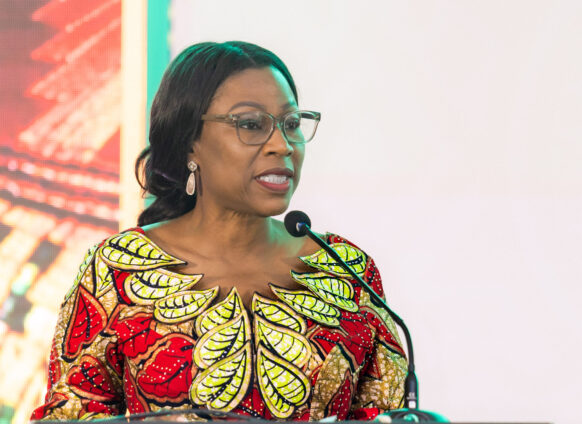
Deputy Minister of Health, Professor Grace Ayensu-Danquah, has called on African countries to strengthen domestic health financing as external donor support becomes increasingly uncertain.
She stressed that the continent must take greater responsibility for funding its healthcare priorities.
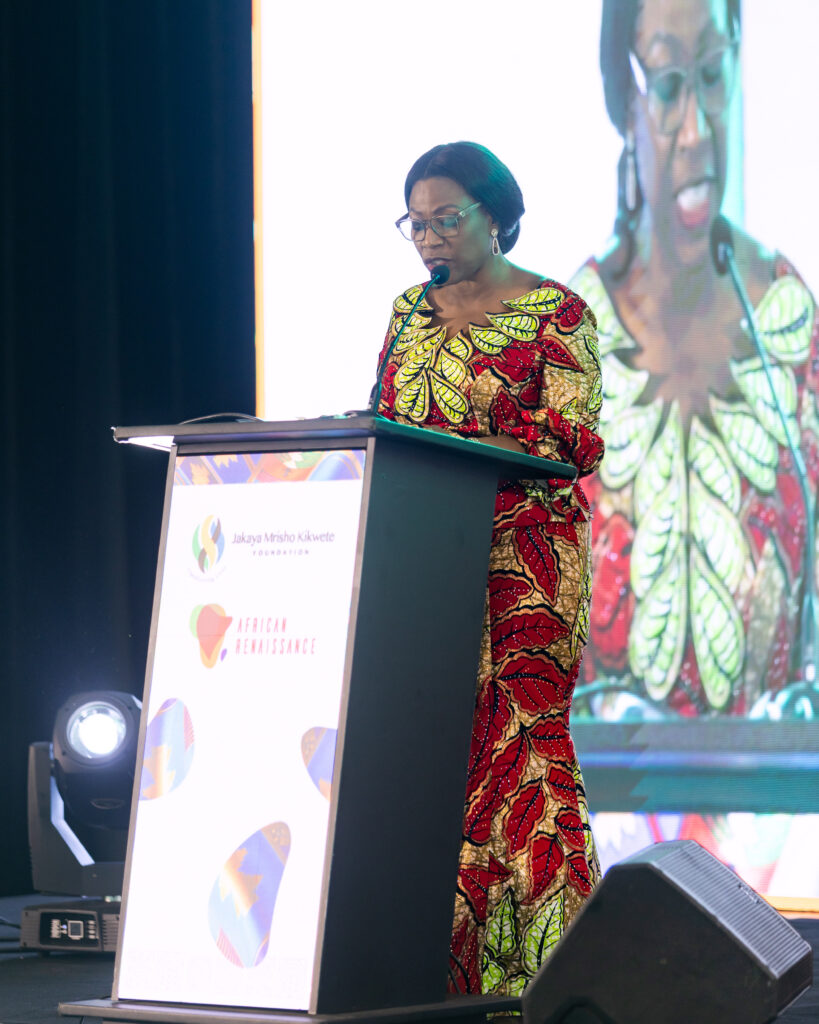
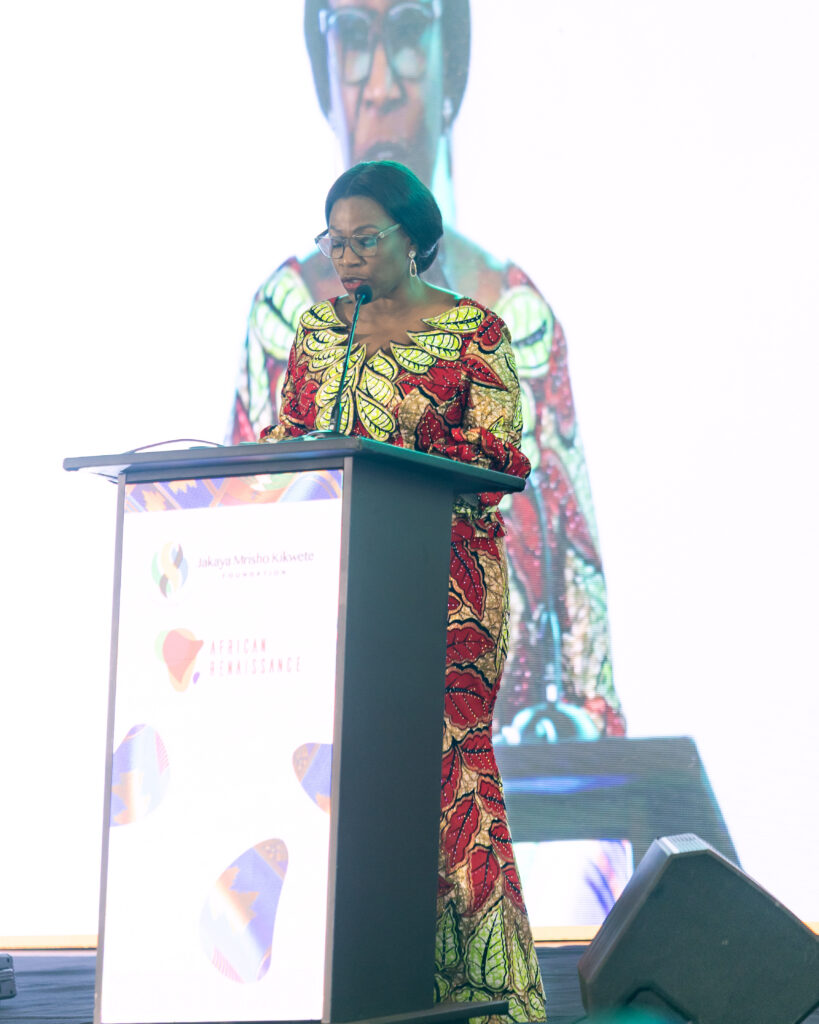
Delivering a keynote address on behalf of Vice President Prof. Naana Jane Opoku-Agyemang at a High-Level Interactive Policy Dialogue in Accra on July 20, Prof. Ayensu-Danquah said Africa's future health security depends on sustained local investment rather than reliance on development assistance.
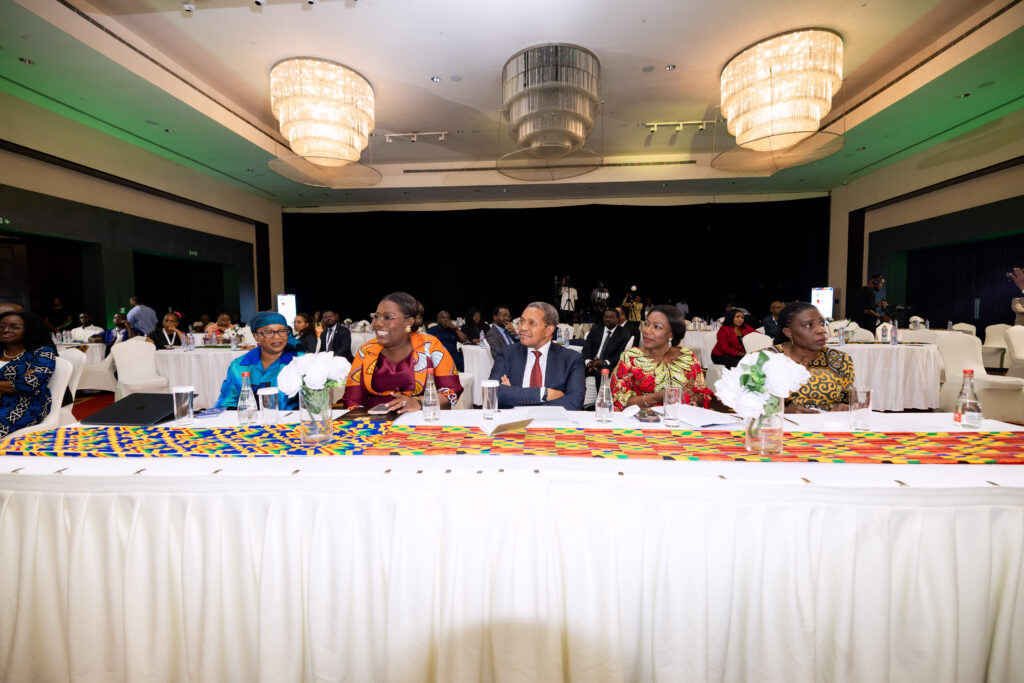
The dialogue, organised by the African Renaissance Trust and the Jakaya Mrisho Kikwete Foundation on the sidelines of the African Union Extraordinary Summit, focused on advancing domestic health financing, accountability and strategic innovation across the continent.
Reflecting on the Abuja Declaration, adopted 25 years ago, which committed African countries to allocating at least 15 per cent of their national budgets to health, the Deputy Minister said the continent must honestly assess its progress amid changing global financing trends.
"Official development assistance is less certain. Long-standing funding models are changing. Programmes that many health systems have relied on can no longer be taken for granted," she noted.
"That reality means Africa must strengthen its ability to finance its own priorities, build enduring institutions, and invest in health not as a recurring expense, but as a foundation for economic growth and human development."
Prof. Ayensu-Danquah said the government of Ghana is pursuing universal health coverage through policies aimed at expanding access to healthcare, improving health outcomes, and reducing out-of-pocket expenditure.
She highlighted two flagship initiatives introduced by the government, the Ghana Medical Trust Fund (MahamaCares) and the Free Primary Healthcare Initiative, as key interventions designed to address financing gaps in the country's health sector.
According to her, the Ghana Medical Trust Fund provides financial support for the diagnosis, treatment and long-term management of chronic non-communicable diseases that are either inadequately covered or not covered under the National Health Insurance Scheme (NHIS).
"Beyond supporting patient care, the fund also contributes to strengthening specialist healthcare by investing in medical infrastructure, equipment, research and specialist training," she said.
On the Free Primary Healthcare Initiative, she explained that the programme complements the NHIS by making essential primary healthcare services more accessible, with a strong emphasis on disease prevention.
Under the initiative, the Minister said that every Ghanaian will be entitled to routine health screening for conditions including hypertension, diabetes and certain cancers, while also benefiting from maternal and child healthcare services, immunisation, treatment of common illnesses, community outreach, home visits and public health education.
The programme, she said, is currently being rolled out in phases, beginning with 150 underserved districts, with nationwide coverage expected over the next few years.
Prof. Ayensu-Danquah also announced that the government has made a $50 million seed investment in the National Vaccine Institute to strengthen local vaccine production and pharmaceutical manufacturing.
She said the investment builds on Ghana's growing regulatory capacity, including the Food and Drugs Authority's World Health Organization Maturity Level 3 status and progress towards the commercial production of locally manufactured anti-snake venom.
The Deputy Minister welcomed the unveiling of the African Renaissance Health Financing Insights Dashboard, describing it as an important accountability tool that will enable governments to better track health financing commitments and outcomes across the continent.
"I thank the African Renaissance Trust for presenting this work and look forward to the discussions it will generate among governments, continental institutions and development partners," she said.
She stressed that strengthening Africa's health systems goes beyond financing alone and requires increased investment in pharmaceutical manufacturing, research, innovation, workforce development and stronger continental institutions.
Concluding her address, Prof. Ayensu-Danquah urged African governments to honour their commitments by translating policy declarations into measurable improvements in people's lives.
"Our declarations must be translated into measurable progress in the lives of our people," she said.
She reaffirmed Ghana's commitment to working with the African Union, regional institutions and development partners to build stronger, more resilient and self-reliant health systems capable of meeting the continent's future needs.
Latest Stories
-
WAFU B U17: Ghana top Group A after win over Togo
6 minutes -
Ho Central Mosque reopens amid unresolved leadership dispute that led to closure
1 hour -
Minority caucus questions GH¢16.4m in Ablakwa’s SA evacuation spending, demands independent audit
1 hour -
Gender Ministry meets Nana Akua Addo’s husband over domestic violence after hospital discharge
2 hours -
UG Vice-Chancellor urges swift operationalisation of National Research Fund
3 hours -
Pope Leo to have surgery after lump found in lung
3 hours -
Joseph Cudjoe writes: Ghana must break free from the dangerous mindset that natural resources are the foundation for wealth
3 hours -
Children among 109 dead after boat capsizes off Djibouti, UN says
3 hours -
OmniBSIC Bank’s 11th health walk promotes fitness and business growth
3 hours -
2026 World Maritime Day: Danish Embassy organises “The Gulf of Guinea Speaks”
4 hours -
New Economy will tackle unemployment and restore hope – Ato Forson
4 hours -
IMMILAC president recounts personal losses as security women lead breast cancer awareness campaign in Wa
4 hours -
University of Ghana postpones October 12 reopening as GAUA strike persists
4 hours -
Bahass Foundation launches vocational skills training to support mental health recovery in Wa
5 hours -
NPP orders parliamentary aspirants and their supporters to suspend campaign activities
5 hours