

Audio By Carbonatix
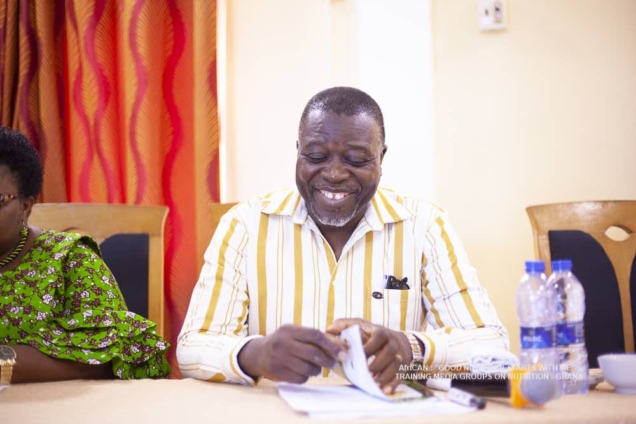
In a passionate call to action, Professor Francis B. Zottor, Director of the Africa Catalyzing Action for Nutrition (AfriCAN), has urged journalists across the continent to advocate for good nutrition to foster a healthier Africa.
The appeal came during a recent gathering where Dr Charity Binka, a prominent partner of AfriCAN, also participated.
Addressing a diverse audience of journalists, policymakers, and health advocates at the nutrition capacity enhancement certificate awards ceremony held at the University of Health and Allied Sciences (UHAS), Professor Zottor underscored the critical role media plays in shaping public perceptions and driving policy change.
He emphasised that the media possesses a unique power to amplify the importance of good nutrition and catalyze action at all levels of society.
"Journalists have the power to change narratives and influence societal norms," stated Professor Zottor. "By shining a spotlight on the urgent need for improved nutrition across Africa, journalists can drive positive change and contribute to healthier communities."

With malnutrition continuing to pose a significant threat to public health in many African countries, Prof. Zottor stressed the need for bold, innovative approaches to address this complex challenge.
He called on journalists to delve deeper into the root causes of malnutrition, highlighting issues such as food insecurity, inadequate healthcare access, and cultural practices that may hinder optimal nutrition.
"Journalists must be fearless in their pursuit of truth and justice, especially when it comes to issues as fundamental as nutrition," remarked Professor Zottor. "We cannot afford to remain complacent in the face of such a pressing health crisis."
Dr. Charity Binka echoed Prof. Zottor's sentiments, emphasising the importance of collaboration between media organizations, civil society, and government agencies in advancing the nutrition agenda.
She emphasised the need for accurate, evidence-based reporting to counter misinformation and raise awareness about the importance of balanced diets and access to essential nutrients.
"The media must inform, educate, and empower citizens," stated Dr. Binka. "By working together, we can harness the power of storytelling to drive meaningful change and build a healthier, more resilient Africa."
The event concluded with a renewed commitment from journalists to prioritize nutrition-related issues in their reporting, with many pledging to collaborate with AfriCAN and other stakeholders to amplify the voices of communities affected by malnutrition.
As Africa continues its journey towards achieving sustainable development goals, the role of the media in promoting good nutrition emerges as a crucial determinant of success in improving health outcomes across the continent.
Latest Stories
-
The Ghanaian prophet and the mysterious death of his scottish wife Charmain Speirs
29 minutes -
Nearly 400 sentenced in Nigeria for links to militant Islamists
51 minutes -
Ghana’s recovery supported by gold strength despite global oil price pressures – Standard Bank Research
57 minutes -
Kwaku Azar writes: A-G vs OSP
2 hours -
Mfantsipim–Adisadel rivalry built excellence, not division – Sam Jonah
2 hours -
Vice President launches Mfantsipim’s 150 years of shaping Ghana’s greatest mind
2 hours -
I assure Otumfuo, Mahama will join him to commission KNUST Teaching Hospital by end of this year – Haruna Iddrisu
3 hours -
Barcelona dominate derby to extend La Liga lead
3 hours -
Gov’t to roll out free special education for persons with disabilities from July 1 – Education Minister
3 hours -
Importers and Exporters Association declares full support for Publican AI port system
4 hours -
“We used it to test our officiating officials’ readiness” – Bawah Fuseini after CAA Athletics event
4 hours -
Volleyball emerges as Ghana’s fastest rising sport
4 hours -
National Sports Fund needs strong leadership from the top – Administrator David Wuaku
4 hours -
JoySports Exclusive: Steve McLaren in talks with GFA after expressing interest in Black Stars job
4 hours -
Fire guts auto parts warehouse at Bubuashie, one fire officer injured
4 hours