

Audio By Carbonatix
1. In the 1970s and 1980s, it became clear that commodities like oil, while a boon for nation's economy, can quickly become a headache.
2. The price volatility, exchange rate shocks (including "Dutch Disease"), and various problems associated with overdependency on oil led to "split reporting" in national budgeting and fiscal planning.
3. When Ghana started producing oil in 2010, it followed in the footsteps of countries like Nigeria in splitting macroeconomic forecasts and measures into "oil" and "non-oil".
4. Thus, the Finance Ministry reports "oil GDP" and "non-oil GDP", "oil revenue" and "non-oil revenue" etc. etc.
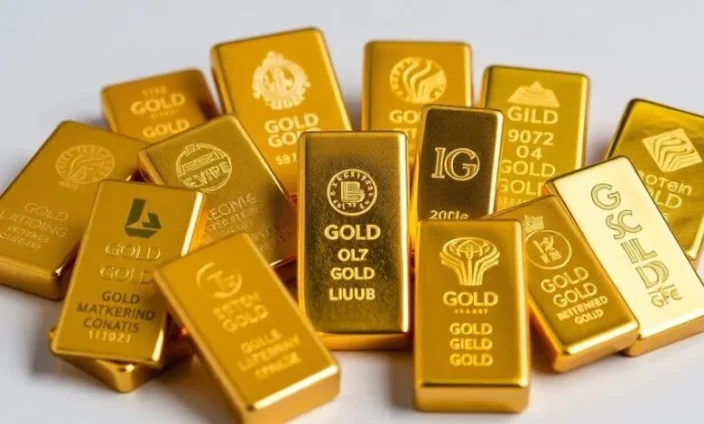
5. I argue that because of the rapid rise and fall of Ghana's oil industry, this split reporting has become a waste of time. If we must expose commodity risk through the budgeting and fiscal planning process at all, then we should use gold.
6. Yes, this would imply some reclassification of the national accounts, but it would be more honest.
7. Perhaps, we should even go forward and start revising some of the structures we set up around the "petroleum holding funds", "annual budget funding amount", and related mechanisms and pivot to gold, including the setup of a special wing of one of the sovereign wealth funds (maybe GIIF) to take in gold windfalls whilst the price rally lasts.
8. Exhibit one of my evidence stack for these positions is the massive 56% decline in oil revenues in H1 2025. Oil production has been falling by ~7.5% per year since 2019.
9. Oil contributed less than $150m to corporate tax take and just about $370m to overall revenue of about $8bn in H1 2025 (i.e. ~4.5%). What kind of fiscal anchor is that?
10. In 2023, Ghana got just $29m from the oil wealth it says it has been investing since 2010 ("Heritage Fund"). In 2024, it went up marginally to $37m. More pitiable were the returns from the Stabilisation Fund at just $8.7m in 2024.
11. I can understand if Nigeria wants to use oil as the fiscal anchor even though it contributes just about 5% to overall GDP. Oil can provide as much as 65% to government revenues and over 85% of exports.
12. In Ghana, the situation is starkly different. Gold is on course to hit 70% of exports. Oil, by contrast, dropped below 12% in Q1 2025.
13. You may say that oil is in a bear phase and gold is in a bull run, but the data shows that the shift is structural. Gold has been increasing as a share of everything since 2019 and oil has been decreasing markedly.
14. Isn't it time to start recognising the structural exposure to gold risks, in contrast with the declining importance of oil and gas, and shift the fiscal anchor?
Latest Stories
-
Global Organised Crime Index says fraud and tax evasion are widespread across Ghana’s economy
24 seconds -
Threats to journalists limit coverage of cocaine trade in Ghana – Global Organised Crime Index
3 minutes -
Kumawu MP commissions 4-unit nurses’ quarters at Bodomase
4 minutes -
Two arrested after suspected narcotics intercepted at Kasoa
5 minutes -
‘Our pipes stock are all gone’ — Duraplast marketing manager counts losses after Avenor fire
8 minutes -
Ntim Fordjour calls for cancellation of Ghana-Colombia maritime deal over drug trafficking concerns
10 minutes -
Daily Insight for CEOs: The CEO’s Q4 leadership priorities
13 minutes -
Cybersecurity is a business risk, not just an IT issue – CSA Director-General
14 minutes -
NSA releases 70,072 postings for 2026/2027 national service year
15 minutes -
Osu residents oppose road expansion over planned demolition of ancestral homes
16 minutes -
Kwakye Ofosu calls Aboagye ‘neophyte and time waster’ over cocaine debate
17 minutes -
Parliamentary immunity must not shield MPs from criminal investigations – Srem-Sai
21 minutes -
Global Organized Crime Index links Chinese trawlers to depletion of Ghana’s fish stocks
23 minutes -
Reject ‘Cocaine Coast’ label through action, not words – Miracles Aboagye tells government
24 minutes -
Fire at North Industrial Area triggers power outage in parts of Accra
24 minutes