

Audio By Carbonatix
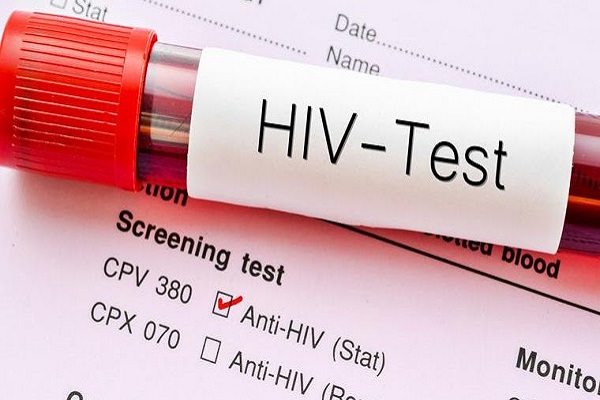
A total of 636 new cases of Human Immunodeficiency Virus (HIV) infections have been recorded in the Ahafo Region in the first half of 2025, according to the Regional Health Directorate.
According to the Health Directorate, during their half-year report, what is of great concern is the infection among adolescents, which accounts for 14% of the new infections in the region.
Dr. Akosua Agyeiwaa Owusu-Sarpong, the Ahafo Regional Director of Health Services, at a press briefing in Hwediem, encouraged everyone, especially the youth, to take HIV prevention measures seriously to reduce the infection rate in the region.

"Total abstinence from sex, being faithful to your sexual partners, and the careful use of condoms are effective ways to limit the transmission of the viral disease," says the Regional Director of Health Services.
Additionally, she reiterated that there are many HIV interventions in our facilities, such as the prevention of mother-to-child transmission of HIV, early infant diagnosis, and HIV linkage to care with antiretroviral medications.
Dr. Akosua Agyeiwaa Owusu-Sarpong entreated everyone in the Ahafo region to take advantage of these interventions in their health facilities to seek care when positive and to prevent new infections.
Regarding monkeypox, she noted that the region has recorded three suspected cases of the virus in Asunafo South and North, adding that "they and their contact persons are all doing well."
Monkeypox is a zoonosis caused by the Mpox/Monkeypox virus. Infection in humans can occur when a person encounters the virus from infected animals, infected humans, or contaminated materials.
The incubation period of monkeypox is typically 3 to 13 days, ranging from 2 to 21 days.
Humans can get infected from animals such as some species of non-human primates and rodents through bites or scratches or direct contact with their body fluids.
Human-to-human transmission occurs through close contact with lesions, body fluids, respiratory droplets, and contaminated materials such as bedding, said Michael Beridu, Deputy Regional Director of Health Services.
He added that suspected individuals experience acute illness with fever, intense headache, back pain, and severe asthenia, followed by a rash one to three days later.
The Deputy Director indicated that they progressively develop a rash, often beginning on the face (most dense) and then spreading elsewhere on the body, including the soles of the feet and the palms of the hands.
"Practice hand hygiene by washing hands often, properly handling dead animals, and avoiding stigma and discrimination," Mr. Beridu stressed.
Latest Stories
-
Church of Pentecost supports over 2,000 BECE candidates in Obuasi with career guidance seminar
60 minutes -
Brandon Asante and Coventry all but promoted to Premier League despite Sheffield Wednesday draw
1 hour -
GPL 2025/26: Late Kwartemaa strike downs Hearts in Tema
1 hour -
Ghana Faces Sierra Leone Moment as Prosecutorial Powers come under strain
2 hours -
Don’t consume fish or seafood from Tema Shipyard until further notice – FDA warns
2 hours -
Why volunteering might be Africa’s most underrated career accelerator
2 hours -
ActionAid Ghana raises concern over gender gaps in Feed Ghana Programme
2 hours -
Windstorm wreaks havoc in Gushegu, displacing nearly 2,000 residents and damaging schools
2 hours -
Friends of Bridget Bonnie Marks her 35th birthday with donation to Kasseh Model Health Centre
3 hours -
From Ekumfi Kokodo to the Pulpit Stage: Essi Donkor’s gospel journey takes shape
3 hours -
Landfilling waste management creates no value, it’s an economic waste
3 hours -
Photos: Speaker Bagbin Commissions MPs constituency office under parliamentary decentralisation programme
3 hours -
Black Stars technical advisor Winfried Schäfer sacked as GFA shakes up backroom staff
3 hours -
Wenchi water project almost complete, critical to gov’t agenda – GWL MD
4 hours -
Anti-LGBTQ+ bill not part of government’s legislative agenda – Inusah Fuseini
4 hours