

Audio By Carbonatix
If another major disaster were to occur in Ghana, the probability for the government to effectively manage it is low.
This is according to a policy brief by Col. Festus Aboagye (Rtd), which suggests deep-seated vulnerabilities in Ghana’s disaster management framework, along with a critical lack of foresight, preparation, and coordinated action.
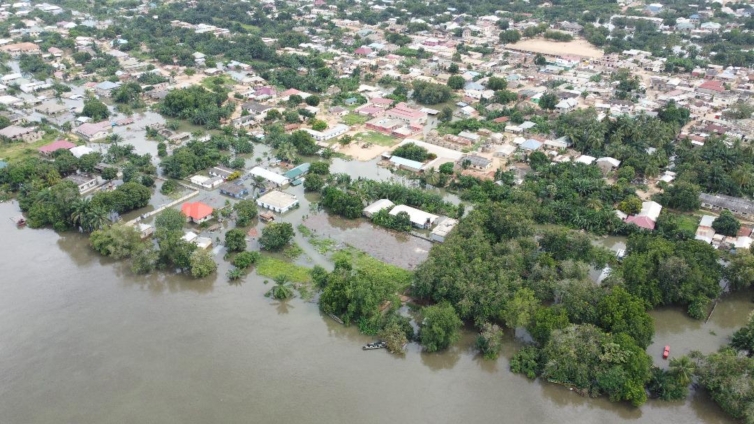
The policy brief, which used the Akosombo Dam spillage as a case study, highlighted the urgent need for a complete overhaul of Ghana’s approach to disaster preparedness and response.
Titled "From National Asset to National Ignominy: Ghana’s Akosombo Dam Disaster Exposes Government Negligence and Civil Society’s Heroic Response," the brief revealed a demand for a paradigm shift in disaster management.
According to the brief, although the spillage was controlled, it still managed to cause extensive damage to communities in the Lower Volta Area, impacting North Tongu, South Tongu, Central Tongu, and other districts.
However, the plight of these affected individuals was further worsened by government's lack of recovery response, even after a year.
It also pointed out that inadequate risk assessment, insufficient resource allocation, a lack of comprehensive planning, and delayed action were among the factors contributing to the government's failure to manage the crisis.
Additionally, uncoordinated responses and the government's refusal to accept responsibility for the crisis were also factors.
But for stakeholders such as Members of Parliament (MPs), the media, civil society organisations, private entities, and individuals, many of those affected would still be displaced, with little to show in terms of recovery.
On this basis, the brief recommended several steps for the government to be better prepared for future disasters. These include enhancing early warning systems by investing in advanced multi-channel weather forecasting and early warning dissemination systems to ensure timely and accurate information reaches all stakeholders.
It also suggested improving water management practices to prevent future flooding and undertaking community engagement and education programs to raise awareness about disaster preparedness and response.
Additionally, the brief recommended strengthening public-private partnerships to leverage resources, expertise, and technology from the private sector for disaster preparedness and response efforts.
Read policy brief:
Latest Stories
-
The Problem with Nutrition Advice on Social Media – Lessons from a study among University Students
42 seconds -
Arteta calls for perspective as Arsenal look to avoid slump
9 minutes -
Kasoa Old Market traders given final eviction notice ahead of redevelopment
12 minutes -
GH¢15 sachet water price is a ceiling, not fixed – Producers clarify
16 minutes -
Morocco reports 7% rise in first-quarter tourist arrivals
19 minutes -
Calm returns to Adjen Kotoku Market following onion traders’ clash
19 minutes -
One dead, six in critical condition in Gomoa Fetteh accident
22 minutes -
GNFS responds to multi-vehicle crash at Ayi Mensah, urges caution
25 minutes -
Kaneshie footbridge closure raises safety concerns as pedestrians demand urgent repairs
28 minutes -
Clock ticks on Trump’s Iran ultimatum with little sign of breakthrough
30 minutes -
Be value creators for national development – KGL boss challenges private sector
36 minutes -
Bishop Asuamah urges hope, peace amid global and local conflicts
40 minutes -
Morocco stopped fewer illegal migration attempts in 2025 as route shifts
40 minutes -
Ahmed Ibrahim climaxes Easter with call for national sacrifice, fervent prayers
42 minutes -
NMC commits to reviving Media Advisory Committees
44 minutes