

Audio By Carbonatix
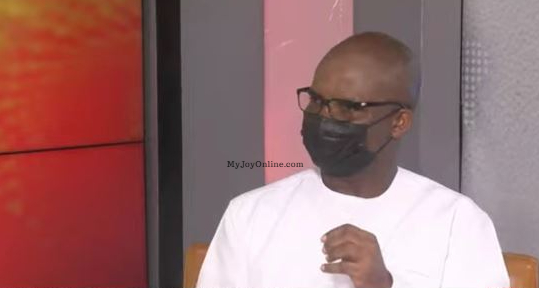
Member of Parliament for Nhyiaeso, Dr. Stephen Amoah has asked critics of the petroleum levies to analyze the fiscal space before chastising the government.
Speaking in an interview on the AM Show on JoyNews, on Wednesday, the legislator called for effective analysis of the economic situation of the country instead of the unjustified comments.
“If we want to change some of these things as a country, we need to sit down and not make arbitrary decisions, analyze our fiscal space and let Ghanaians know that this is the situation.
“This is what we have to do, effectively if we do this, the cyclical effect should be analyzed because certain decisions can be taken today for people to be happy, but at the end of the day the cyclical effect would be bigger and larger and difficult to manage,” he explained.
The Minority in Parliament has demanded that government should remove the Special Petroleum Taxes imposed on petroleum products from the 2022 budget.
Speaking on behalf of the Minority, the Ranking Member of the Mines and Energy Committee, John Jinapor said, “for as the volume increases, your revenue increases because your revenue is the function of the volume and price, so volumes are increasing and the prices are also increasing, and yet you are breaking the necks of Ghanaians with such huge tax hikes.”
Meanwhile, the Nhyiaeso MP noted that persons calling for reduction in taxes should make available analytic frameworks to support their claim.
“Honestly speaking, if somebody says reduce or add taxes, he should come with properly analyzed frameworks for Ghanaians to know that these are the figures whether NPP or NDC, the entire country we are fond of making statements without facts,” he said.
On the contrary, MP for South Dayi, Rockson-Nelson Dafeamekpor indicated that government’s introduction of the sanitation levy is uncalled for.
“We are telling them that the imposition of things like the sanitation tax or levy, is totally needless. Because there is a very servient doctrine in environmental law and that is, the polluter must pay.
When I generate my debris, I should be able to pay for it, you don’t tax everybody whether or not they generate a debris, a sanitation levy. So if you take off such a levy for instance it is capable of bringing succour to our people,” he argued.
Latest Stories
-
One dead, six maimed as bloody land feud tears Krachi Nchumuru apart
14 minutes -
Missing service member rescued by US forces after jet downed in Iran, Trump announces
36 minutes -
Gomoa Easter Carnival: Sarkodie, Kuami Eugene, Tinny, set festival ablaze as Day 3 ends on high note
1 hour -
“Feels amazing” – Antoine Semenyo reveals after Manchester City dismantle Liverpool
1 hour -
Mahama calls for emergency cabinet meeting over rising fuel prices
2 hours -
Asante Gold reports US$345million loss for 2025
3 hours -
Gov’t making progress in clearing $1.7bn power debt – Mahama
4 hours -
Justice is the engine of growth – Chief Justice
5 hours -
Meet us halfway – Trade Minister tasks private sector with AfCFTA success
5 hours -
After more than 14 years at Atletico Madrid, what next for Simeone?
5 hours -
Conquering the World – Building on the foundations laid by Otto Addo
5 hours -
[Playback] Sarkodie, Kwami Eugene, Tinny, Keche and others thrill fans at Gomoa Easter Carnival
6 hours -
Gomoa Easter Carnival: Experts charge indigenes to own festival to ensure sustainability
7 hours -
Gomoa Easter Carnival: Edem Agbana and Joy Prime fans shower festival with huge endorsements
8 hours -
Gathering of Royals 2026: Empowering women, boosting tomato production
9 hours