

Audio By Carbonatix
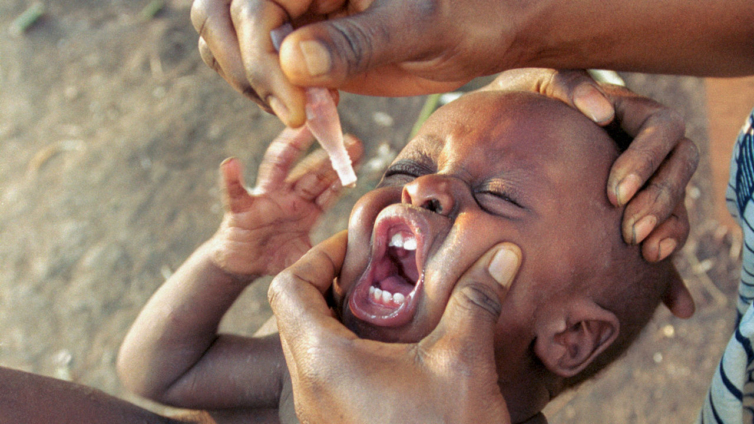
The Ashanti Region has recorded eight polio cases in six districts, more than any region in the country since the beginning of this year.
The cases, all vaccine-derived polio virus Type Two represent more than 80 per cent of 12 cases recorded nationwide.
Though health authorities will not give details of affected districts, they say the situation calls for public support as it rolls out an ambiguous three-day immunisation programme targeting about 1.2 million children under five-years.
"The Ashanti Region recently recorded in six districts in what we call vaccine-derived poliovirus Type Two. And in accordance with established protocol, the region, together with other regions in the country would be embarking on massive polio immunization exercise," Deputy Regional Health Director in charge of Public Health, Dr Yaw Ofori Yeboah told the media in Kumasi.
The situation has prompted health authorities to roll out a three-day immunisation programme across the Region from September 10 to 13..
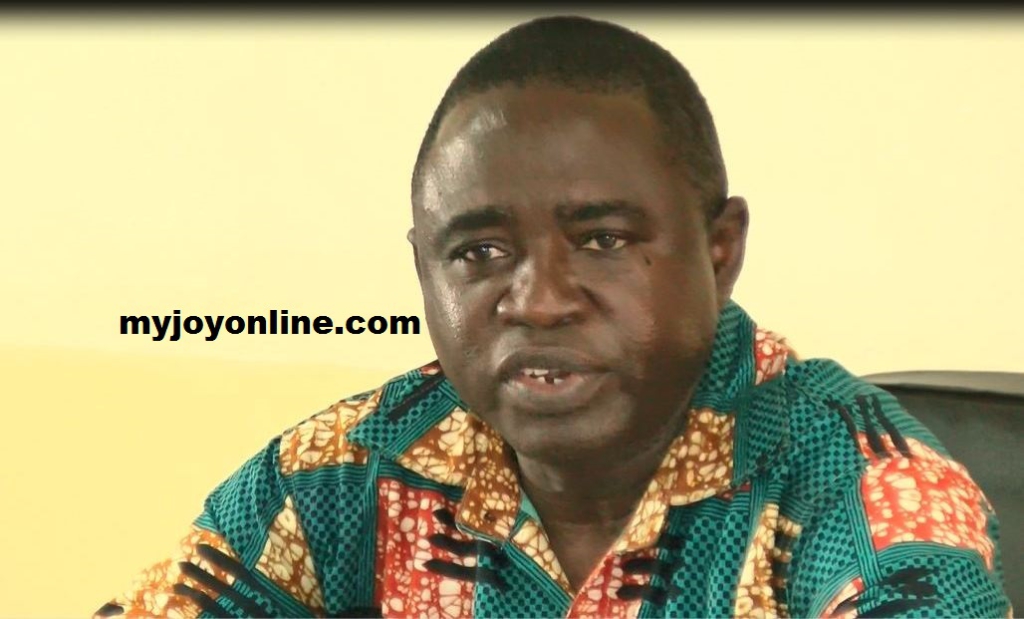
Deputy Regional Health Director in charge of Public Health, Dr. Yaw Ofori Yeboah asked parents to avail their children under 5-years for administration of safe vaccine in all 43-districts of the Ashanti region.
"The focus would be for children under the age of five-years. In Ashanti region, we would be targeting 1,184,860 children aged below five-years."
The affected districts are said to be areas noted for low immunization and insanitary conditions.
Dr. Ofori Yeboah admits the advent of Covid-19 which has affected routine health services in the region could be blamed for the situation.
He want all hands on deck to kick start the immunization exercise.
Meanwhile, the World Health Organisation says some polioviruses have been discovered in Greater Accra and Eastern region.
Immunization Officer, Fred Osei Sarpong revealed poliovirus were found in environmental sewage in those areas and speak of investigations into the virus.
"What we are also doing is aside from the fact that the virus can infect an individual and get that individual paralyzed; the virus is usually in the environment so, in order to satisfy ourselves that we don't have the virus with us, we do pick samples from environmental sewage, send to the lab and then we test."
Latest Stories
-
VAST calls for urgent policy overhaul as air pollution kills thousands in Ghana
6 minutes -
Outcome to The Drama: 10 of the best films to watch this April
11 minutes -
Britain led the fight to end slavery; we shouldn’t be paying for a crime we helped eradicate – Kemi Badenoch
31 minutes -
“Who should compensate whom?” – Afenyo-Markin sparks heated Parliamentary debate over slavery reparations
1 hour -
Iran strikes injure US troops at Saudi base
1 hour -
NPP deploys regional heavyweights to oversee polling station and electoral area polls
2 hours -
Akufo-Addo to lead ECOWAS election observers for Benin’s high-stakes presidential transition
2 hours -
Iran war splits older and younger conservatives – as pressure builds for Trump to find exit ramp
3 hours -
Callistus Mahama writes on slavery reparation: ‘We cannot confuse participation with responsibility’
3 hours -
‘The gravest crime against humanity’: What does the UN vote on slavery mean?
4 hours -
Catholic Bishops back Mahama after US university rescinds honorary degree over LGBTQ stance
4 hours -
Ablakwa expresses disappointment over US ‘no’ vote on the UN Slavery Resolution
5 hours -
Luxury watches and cash theft: Joy Sports Editor Fentuo details what happened at the Black Stars camp before the Austria game
5 hours -
India grants ‘penalty-free’ exit window for overstayed Ghanaian nationals
6 hours -
Panic selling sweeps GSE: Market cap sheds GH¢44billion in two days
6 hours