

Audio By Carbonatix
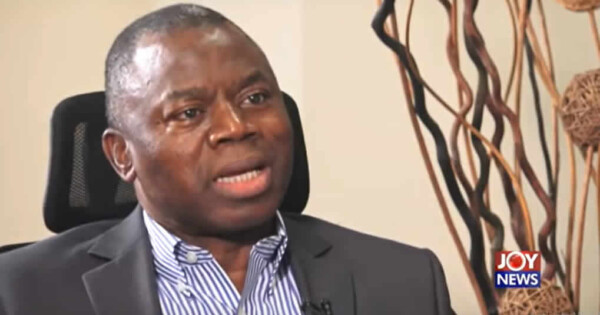
Former President of the Ghana Association of Banks, Alhassan Andani, says the banking sector crisis was not systemic but rather an institutional one.
According to him, most of the top players in the banking sector had identified and taken precautionary measures against banks at risk of insolvency long before the Central Bank had raised red flags concerning those banks.
He noted that if those top banks had been unduly exposed to the defaulting banks, the collapse of the defaulting banks would have had a much more resounding effect in the country’s economy.
He stated that the Bank of Ghana should have realized earlier what was going on within the banking scene and taken appropriate measures, however, the BoG continued to provide liquidation to defaulting banks long after most banks had cut credit ties with the unhealthy banks.
Speaking on JoyNews’ PM Express Business Edition, he explained, “Instead of the regulator … stepping in at the right time they were getting liquidity support. But typically the liquidity support from the banking sector clears within the banking sector.
“In the morning there will be a bank that has surplus cash and they know that I can’t use that there’s a bank that has cash needs so you’ll throw within a certain agreed limit and then it clears out the next day, all those are what we do.
“But when you’re cornered, you’re always out there in the market picking up someone will say ‘what’s happening to this bank?’ Then people start to withdraw their [funds]. So at the peer level, certain banks knew that other institutions within that space were not healthy enough and therefore cut off their lines of credit.
“That should have been a signal to the Central Bank. And if you go there for liquidity support number one and come back number two there’s a problem. Somebody should be sitting there helping you to balance your assets and liability.”
He believes the liquidity support should have been stopped to allow the banks go down by themselves.
“Yes, and then we would have had one institution gone and the others would be resolved, instead of trying to condone as many of them as possible then you had such a huge institutional impact. But even then, look at it, none of the top 10/12 banks were impacted because it was not systemic.
“Systemic is where you believe that this bank was healthy and everybody was dealing with them and suddenly they couldn’t meet up. Then the default of one bank will affect a healthy bank because that healthy bank had exposures to the defaulting bank. That’s systemic risk.
“But in the case of what happened in Ghana, there was very little systemic risk because we know those that were already at the bottom ready to go,” he said.
Latest Stories
-
Sacking Otto Addo was in Ghana’s best interest – Kurt Okraku
32 minutes -
Judge temporarily halts construction of Trump’s White House ballroom
1 hour -
Tech giant Oracle makes ‘significant’ job cuts
1 hour -
Iran will play World Cup games in US – Infantino
1 hour -
World Cup risks being ‘stage for repression’ – Amnesty
2 hours -
Barcelona move difficult to turn down – Cucurella
2 hours -
England beaten by Japan in final match before World Cup squad is named
2 hours -
Newcastle not looking to make Howe change at moment – CEO
2 hours -
Italy fail to reach third straight World Cup after penalty shootout loss to Bosnia
2 hours -
Fire at Ashaiman Tulaku brought under control
2 hours -
WFP, UK Govt push for fortified rice in school feeding to tackle child malnutrition
3 hours -
Tottenham Supporters’ Trust says it cannot support De Zerbi appointment
3 hours -
Gyokeres’ late winner fires Potters’ Sweden past Poland to World Cup
3 hours -
SIC MD denies political interference claims, admits SIGA only ‘encouraged’ state entities
3 hours -
Turkey beat Kosovo to reach first World Cup in 24 years
3 hours