

Audio By Carbonatix
Every child deserves a chance to hear clearly, learn confidently, and thrive in life.
On 3 March, the world marks World Hearing Day — a global public health campaign coordinated by the World Health Organisation (WHO) — with the 2026 theme: “From communities to classrooms: hearing care for all children.”
This theme highlights the critical links between healthy communities, inclusive classrooms, and childhood hearing care.
Understanding the Global Burden
Hearing loss is more common in children than many realise. According to the 2021 World Report on Hearing, about 90 million children and adolescents aged 5–19 live with hearing loss worldwide. Left undetected, this can disrupt language development, impede learning, and limit future opportunities. Early identification and intervention are key to ensuring children reach their full potential.
But what does this mean in practical terms? In many low-resource settings, hearing loss often goes unnoticed until academic or speech delays become obvious — years after onset. That’s why integrating hearing care into schools and community health services can make all the difference.
Hearing Loss in Ghana: The Local Picture
In Ghana, the challenges and solutions are just as compelling. Data from the National Assessment Resource Centre for Children with Special Needs & Disabilities, under the Ghana Education Service, shows that over 9,000 schoolchildren with hearing disabilities have been identified through screening exercises — and this is likely an under-estimate.
Research conducted in the Central Region found that although significant measurable hearing loss (like reduced auditory sensitivity) was relatively low (< 1%), a large portion of children had abnormal middle ear function or impacted ear wax, which can impair hearing significantly and affect learning if left untreated.
These findings highlight two practical insights: hearing problems in children can be subtle, and many issues, such as ear infections and wax impaction — if detected early — are treatable or preventable.
From Screening to Action: Community Engagement in Ghana
World Hearing Day events across Ghana show how communities can lead change. In Battor, for example, local teams from Catholic Hospital organised school-based screening and interactive education sessions for pupils and teachers. Basic hearing checks were conducted, and pupils with possible issues were referred for further care — reinforcing schools as entry points for early identification.
Similarly, past outreach efforts in James Town, Accra, led by the University of Ghana Medical Centre (UGMC) and the West African Centre for Cell Biology of Infectious Pathogens (WACCBIP) offered free ear screenings and public education in community settings. Parents were surprised to learn that what they perceived as a child’s “shyness” or academic struggle could actually be linked to undiagnosed hearing issues.
These local campaigns underscore a powerful truth: when community leaders, health workers and educators work together, early detection and treatment become much more accessible.
Classrooms: A Strategic Frontier for Hearing Care
Schools are more than places of learning — they are platforms for early detection. Simple hearing checks integrated into school health programs can help identify problems long before they impact academic achievement. Teachers trained to detect signs of hearing difficulty, such as inattentiveness or delayed speech, become frontline advocates for children’s ear health.
Inclusive classrooms where hearing care is part of the culture promote not just academic success but also confidence, social engagement, and long-term well-being.
Prevention: Simple, Cost-Effective, Life-Changing
Importantly, over 60 % of childhood hearing loss is preventable through straightforward public health measures such as vaccination against childhood infections, good ear hygiene, timely treatment of ear infections, and regular hearing checks.
In Ghana and across the world, encouraging parents to avoid harmful practices — like inserting cotton buds or sharp objects into children’s ears — is part of everyday hearing health education. Such simple messages, when amplified through community outreach and classroom activities, can reduce the incidence of avoidable ear problems before they become lifelong challenges.
Looking Forward: A Shared Responsibility
As Ghana and the world commemorate World Hearing Day 2026, the message is clear: healthy hearing begins at home, is reinforced by communities, and blossoms in classrooms. Integrating early screening, preventive education, and referral pathways into child health and school systems isn’t just good practice — it’s transformative.
The collective efforts of parents, teachers, health professionals, and policymakers can ensure no child is left behind because of untreated hearing issues. When we invest in hearing health today, we invest in education, opportunity, and the future.
References
- World Health Organization – World Hearing Day 2026 campaign materials and statistics.
- National Assessment Resource Centre — Ghana Education Service hearing disability data.
- Prevalence & Determinants of Hearing Loss among Primary School Children in Ghana (African Journal of Biomedical Research).
- World Hearing Day reported activities in Battor, Ghana (early detection initiative).
- James Town community hearing outreach (UGMC & WACCBIP).
- World Hearing Day advocacy and prevention messaging.
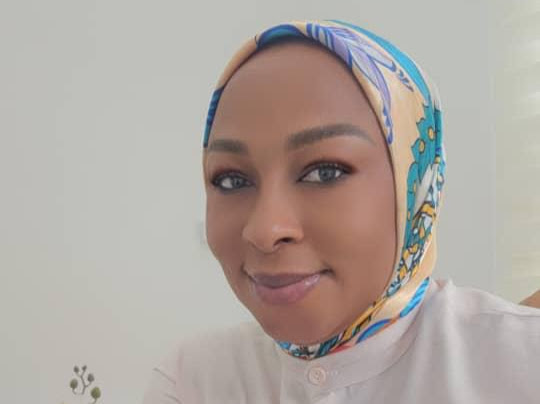
The writer Salima Sidiki Sangari is a licensed speech therapist and the founder of Khad-San Academy and Khad-San Africa (NGO).
Latest Stories
-
GAEC must retain nuclear scientists for Ghana’s nuclear ambitions – Minister
15 minutes -
Man reportedly mistaken for game and shot by hunter dead in forest
17 minutes -
19-year-old mason jailed 15 years for defiling seven-year-old pupil
22 minutes -
Ghana’s banking sector assets rise 20.47% to GH¢500.2bn – BoG Governor
26 minutes -
22 injured as Sprinter bus overturns at Sege after tyre burst
27 minutes -
UN housing expert urges Ghana to strengthen Rent Control Department amid housing affordability concerns
36 minutes -
Delta-BCI partnership reaches 166,000 people with breast cancer education
45 minutes -
Power restoration fault suspected in Kumasi Central Market fire
6 hours -
The 7-foot giant of Ngleshie Amanfro: Seven-foot Ghanaian Ephraim Saawa dreams of joining the national basketball team
7 hours -
Government promises support for Kumasi Central Market fire victims
7 hours -
Vibes The Movie: Big Ghun’s Ghanaian film earns five nominations at 2026 REFFA
7 hours -
‘I’m a fulfilled man’—Justice Korbieh on missing out on Supreme Court despite two nominations
7 hours -
MamaCare CEO warns unresolved conflicts among health workers could undermine maternal and neonatal care
8 hours -
Health professionals urged to translate medical knowledge into practice to save mothers
8 hours -
Retired judge Justice Francis Korbieh charges 1,568 new lawyers to uphold integrity
9 hours