

Audio By Carbonatix
Bloodsucking insects including mosquitoes, flies, lice, and bed bugs do not transmit Human Immunodeficiency Syndrome (HIV) Dr Stephen Ayisi Addo, Programmes Manager, National AIDS/STI Control Programme (NACP) has defused this myth among certain people.
He said “even if the virus enters a mosquito or another sucking or biting insect, the insect does not become infected and cannot transmit HIV to the next human it feeds on or bites. HIV is not found in insects. The fact that mosquitoes suck blood does not mean they can transmit it".
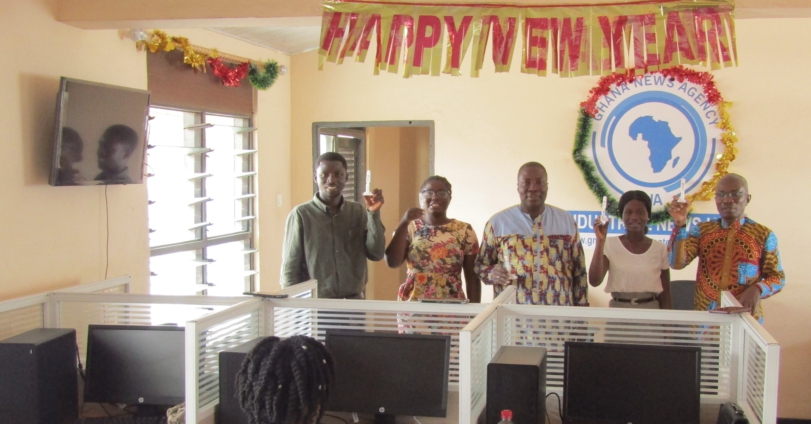
Dr Ayisi Addo stated at the pre-launch event of a pragmatic national campaign focusing on HIV Self-Test (HIVST) kits in Tema
He said there was no reason to fear that such insects could spread HIV in any form; "otherwise, in Ghana, everybody who has malaria will also have HIV because everyone the mosquito bites, it will take the blood together with the virus and every individual who has got malaria should also have HIV".
The NACP Programmes Manager explained that HIV was spread most commonly through sexual contact with an infected partner. The virus enters the body through the lining of the vagina, vulva, penis, rectum, or mouth during sexual activity.
“HIV may also be spread through a contact with infected blood. However, due to the screening of blood for evidence of HIV infection, the risk of acquiring HIV from blood transfusions is extremely low.
“HIV is frequently spread by sharing needles, syringes, or drug use equipment with someone who is infected with the virus. Transmission from patient to healthcare worker, or vice-versa through accidental sticks with contaminated needles or other medical instruments, is rare,” he explained.
Dr Ayisi Addo also emphasized the need for everyone to know their status, stressing that one of the positive reasons for one knowing his or her status was that it helped to re-enforce positive behaviour as early diagnosis of any illness was a major breakthrough for the treatment process.
He also advised HIV Positive patients to religiously take their antiretroviral medications.
He said that despite prevention education and sensitization, many cases of HIV were still being recorded albeit at a decreasing rate noting that 33,870 cases were recorded by the third quarter of 2022, while 38,906 were recorded in the same period in 2021 and 39,318 in 2020.
He mentioned that 53,996 cases were recorded in the third quarter of 2019, 53,779 cases in 2018, and 43,200 in 2017 same period.
Latest Stories
-
Ex-Defence Ministry procurement director to face prosecution over GH¢4.8m scandal
13 minutes -
Gov’t committed to finishing Tema Motorway by 2027, says Agbodza
20 minutes -
OSP under threat from political interference — Kissi Agyebeng calls for constitutional protection
24 minutes -
T.I. Ahmadiyya SHS, Kumasi, celebrates 75 years of excellence
32 minutes -
Court orders SHS students to pay compensation for assault on teacher
34 minutes -
Mahama assents to 5 bills, including key amendments on security, education and finance
40 minutes -
Students of Nkwantanang M.A 6 Basic School benefit from ‘Break the Silence’ Menstrual Awareness Initiative
41 minutes -
Fuel price hike exposing NDCs’ deceitful politics—Mercer
44 minutes -
Farmers trained in snail rearing, beekeeping and mushroom cultivation under EMBRACE project
49 minutes -
Insurance contracts railroaded by unseen political hands – IMANI
55 minutes -
When Builders Are Broken: A nation’s conscience on trial
59 minutes -
Otto Addo: A pointless gamble that failed spectacularly
60 minutes -
Bond market: Turnover declines by 59% to GH¢377.59m
1 hour -
Touching children’s lives elevates me – James Kofi Annan
1 hour -
Police arrest man over viral threats against High Court judge
1 hour