

Audio By Carbonatix
As Ghana’s health sector continues to adapt to evolving financing dynamics and supply chain pressures, an innovative intervention led by the Pharmaceutical Society of Ghana (PSGH) is delivering measurable gains in access to essential maternal and neonatal health (MNH) commodities and services in the Upper East and Upper West Regions.
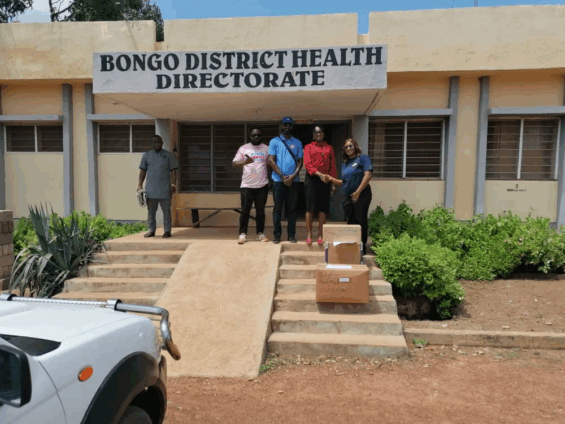
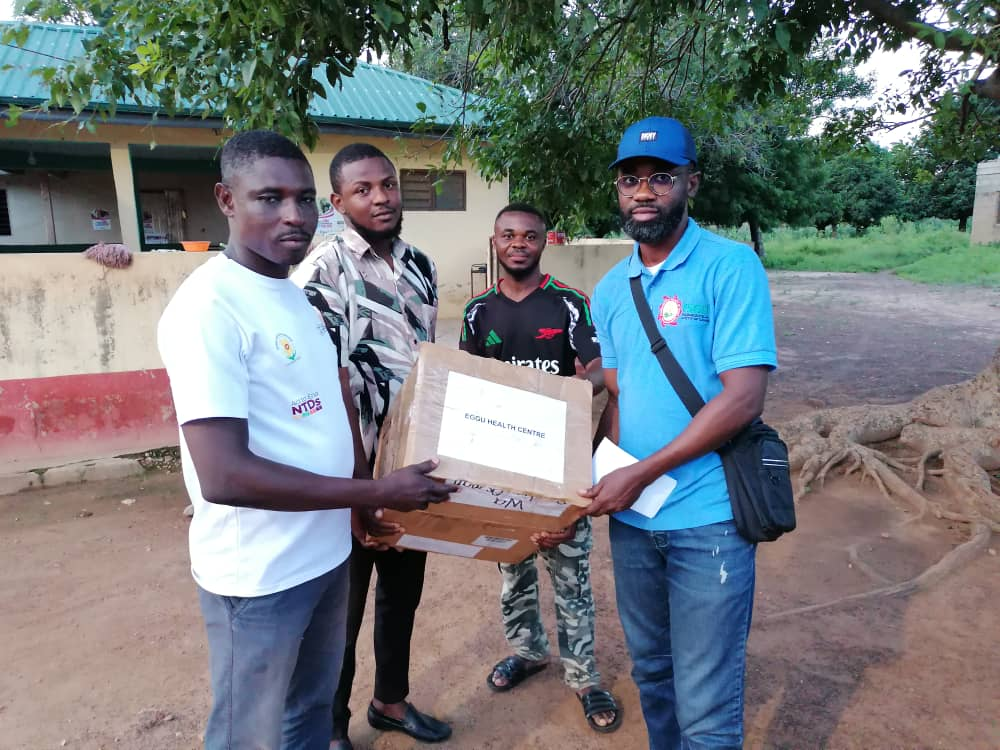
Implemented under the Country Innovation Platform (CIP) Ghana Pilot, a strategic partnership between the Ghana Health Service (GHS), USAID’s Center for Innovation and Impact (CII), Grand Challenges Canada, and AMP Health, the project combines a Revolving Medicines Fund (RMF) with expanded service delivery through trained community pharmacy personnel.
The initiative is led by Dr. (Pharm) Harry Amoaning Okyere, Deputy Executive Secretary and Strategic Plan Manager of the PSGH.
Since implementation, the RMF has significantly strengthened commodity availability at participating facilities. During the current reporting period, 1,208 women of reproductive age and children received 1,824 units of essential MNH medicines through the RMF mechanism.
Importantly, clients realised an estimated 62% cost savings compared to open-market prices, driven by National Health Insurance Authority (NHIA) reimbursements and competitively negotiated pricing for medicines not covered under the NHIS.
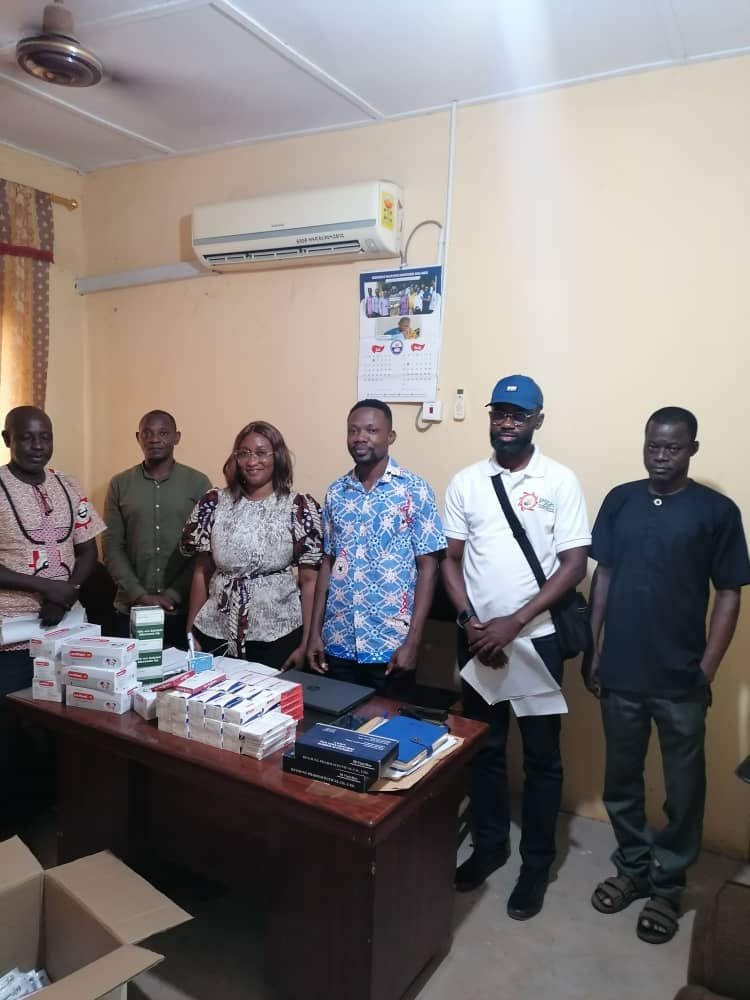
This model has reduced out-of-pocket expenditure while improving the predictability of medicine availability at facility level.
Family planning commodities, in particular, have shown consistently high demand across intervention sites, highlighting persistent unmet need for reliable contraceptive access in underserved regions.
By ensuring sustained stocking of reproductive health commodities, the RMF is directly supporting Ghana’s reproductive health priorities and helping facilities respond more effectively to client demand.
Beyond commodity financing, the project’s service delivery arm has further expanded access to essential care. Across 40 community pharmacies and through fee-for service model, trained community pharmacy personnel delivered 3,012 maternal, neonatal, and related health services to women of reproductive age.
Service delivery include treatment of common ailments, healthy lifestyle counseling, cardiovascular screening, and contraceptive counseling and provision as well as referrals to higher-level facilities, strengthening linkages within the health system.
Additional services included hemoglobin testing, menstrual hygiene support, and medication adherence counseling, while more specialised services such as medication therapy management, reconciliation, HIV prevention and care, psychosocial assessment, and safe abortion counseling were provided at lower but important levels.
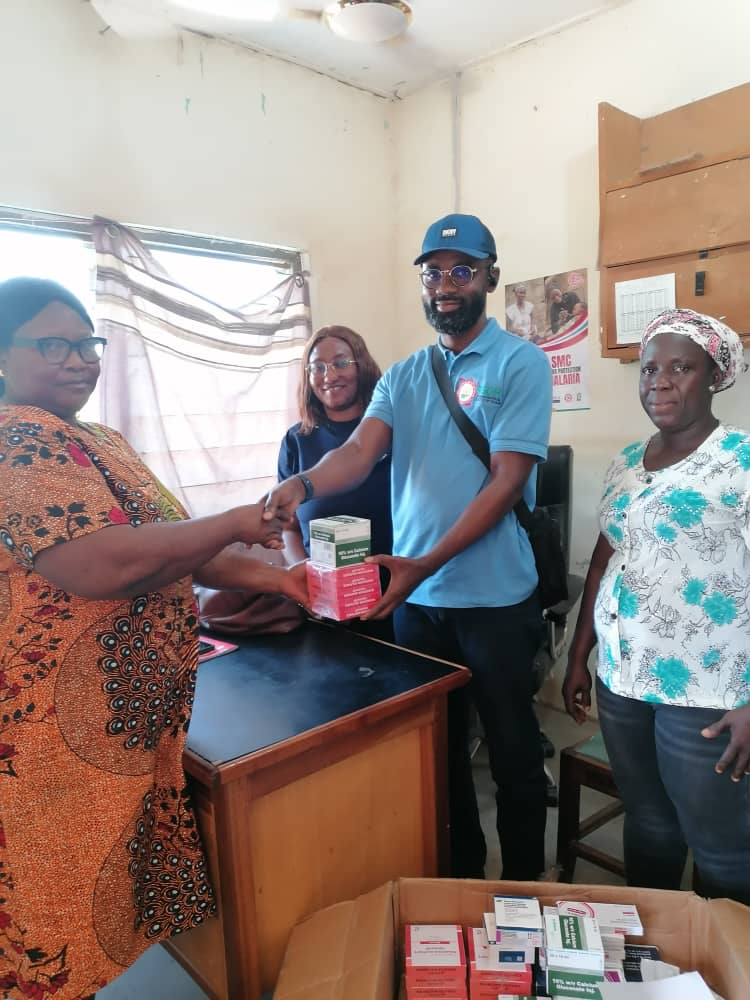
This integrated public–private delivery model demonstrates the strategic value of structured partnerships in strengthening primary healthcare systems.
By combining sustainable pharmaceutical financing with task-supported community pharmacy service delivery, the initiative expands access points for women while reinforcing facility-level supply management and accountability.
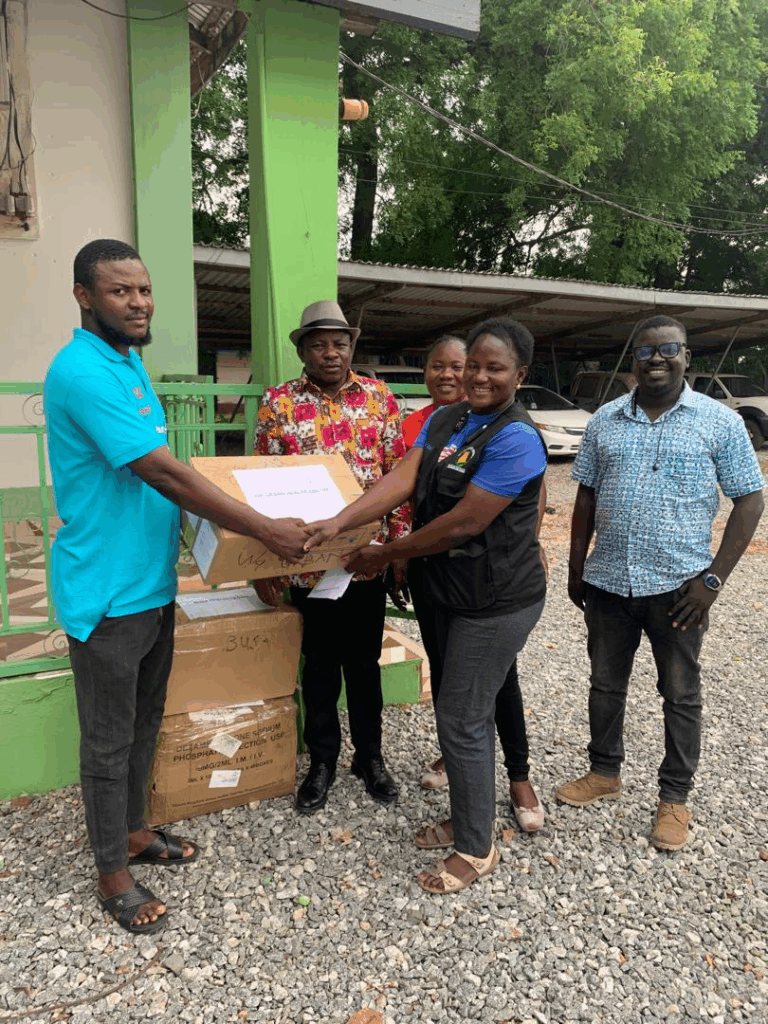
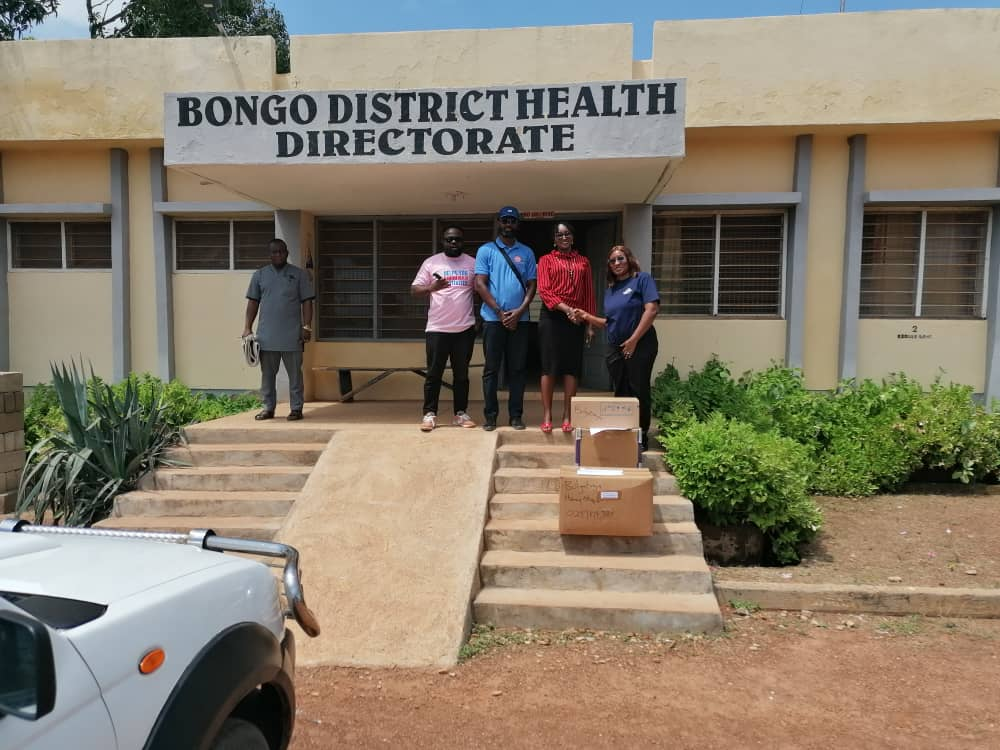
The project’s progress has been made possible through strong collaboration with the Regional Health Directors in the Upper East and Upper West Regions, District Health Directorates, facility focal persons, and frontline providers whose commitment has ensured effective implementation and data reporting.
As Ghana advances toward Universal Health Coverage and the Sustainable Development Goals, particularly targets related to maternal and newborn survival, the PSGH-led CIP Ghana Pilot offers practical evidence that locally implemented, partnership-driven solutions can enhance medicine availability, reduce financial barriers, and improve access to essential MNH services in high-need regions.
Latest Stories
-
Power restoration fault suspected in Kumasi Central Market fire
4 hours -
The 7-foot giant of Ngleshie Amanfro: Seven-foot Ghanaian Ephraim Saawa dreams of joining the national basketball team
5 hours -
Government promises support for Kumasi Central Market fire victims
5 hours -
Vibes The Movie: Big Ghun’s Ghanaian film earns five nominations at 2026 REFFA
6 hours -
MamaCare CEO warns unresolved conflicts among health workers could undermine maternal and neonatal care
6 hours -
Health professionals urged to translate medical knowledge into practice to save mothers
6 hours -
Conflicts among care providers linked to maternal, neonatal deaths – Expert
8 hours -
GIS marks 10th TIME conference, champions improved teaching practices
8 hours -
BRICS Or Balance? What Ghana’s bid really means
8 hours -
GPRTU wants full TRAFFITECH-GH implementation to start in 2027
9 hours -
How 10-mile walks for basic education birthed a 50-year legal career for Justice Korbieh
9 hours -
Mahama announces plans to import electric wheelchairs for PWDs
9 hours -
KGL U17 Colts 2026: Western beat Prempeh Elite Academy to set up final final with Greater Accra Region
9 hours -
Late Solanke strike salvages 10-man Spurs draw at Man United
9 hours -
Gender Ministry to monitor welfare of Nana Akua Addo’s children amid domestic violence case
9 hours