

Audio By Carbonatix
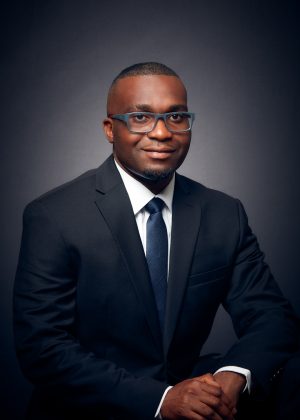
About 78% of the ¢28 billion financing need by government in the first half of 2022 came from the Bank of Ghana, US based Assistant Professor of Economics at Niagara University, Dr. Dennis Nsafoah has revealed.
In the process, Ghana lost about $2 billion of its international reserves.
“Even more worrying is that Ghana as of June 2022, for the first time since 2001, had a negative net foreign asset (NFA) of ¢6.4 billion on top of the chronic current account deficit. This may expose the cedi to currency speculators, who may drive it even lower”, he disclosed in his critique of current development in the Ghanaian economy.
Though he commended the Bank of Ghana for helping to close the financing gap of the government when needed, he pointed out that the decision is not sustainable and cannot continue for the second half of the year.
“In the continuing absence of access to international capital markets and the constrained domestic financing, the Ministry of Finance may need to control spending even further to avoid deficits. This must be done even if it means a temporary suspension of some of the government’s flagship programmes such as Free Senior High School”, he stressed.
Increase in policy rate a step in right direction but decision late
The Monetary Policy Committee (MPC) of the Bank of Ghana on August 17, 2022, increased the policy rate by 300 basis points to 22%.
The decision at the extraordinary MPC meeting follows last month’s decision to pause on the recent interest hikes.
Dr. Nsafoah said the decision to increase the policy rate is a step in the right direction, even though it could have been done a month earlier.
“We think the decision to increase the policy rate is a step in the right direction, even though it could have been done a month earlier. The increase in the policy rate serves two main purposes in the fight against inflation. First, it will slow down demand to give supply time to catch up in dealing with the excess demand in the economy”
The Assistant Professor of Economics said the Bank of Ghana cannot be blamed for the rising inflation because it does not have tools to deal with the supply side.
“In as much as some of the factors driving inflation are supply shocks, the Central Bank does not have the tools to deal with supply shocks. Neither should the Central Bank sit on the sidelines when inflationary pressures have spread across all sectors of the economy. The best response of an inflation targeting Central Bank in this case is to raise the policy rate”.
“The second purpose of the decision, which we consider even more important, is that an increase in the policy rate will help anchor inflation expectations around the target. The tendency for inflation to persist occurs mainly because of inflation expectations. Inflation is a self-fulfilling prophesy. If markets expect inflation to be higher than target in future, inflation will be higher than target today”.
BoG, Finance Ministry should agree on a cap on overdraft to government
The Monetary Policy Committee of the Bank of Ghana did not only increase the policy rate.
It also announced other measures to address the underlying challenges confronting the Ghanaian economy. They include raising the primary reserve requirement of banks from 12% to 15% and boosting the supply of foreign exchange by collaborating with mining firms, international oil companies and their bankers to purchase all foreign exchange arising from the voluntary repatriation of export proceeds from mining, and oil and gas companies.
But Dr. Nsafoah is of the opinion that the Bank of Ghana should work with the Ministry of Finance to agree on a cap on overdraft, adding, Ghana’s current economic challenges are largely fiscal in nature.
“We are of the opinion the second most important measure from the MPC meeting was the Bank of Ghana working with the Ministry of Finance to agree on a cap on overdraft. Ghana’s current economic challenges are largely fiscal in nature”.
“As reflected in the mid-year budget review, the Bank of Ghana through its overdrafts to the government of Ghana was the largest financier of the fiscal deficit in the first half of 2022”, it added.
Latest Stories
-
National Peace Council urges investment in youth to sustain Ghana’s peace
4 minutes -
Afenyo-Markin urges youth to speak up against injustice
14 minutes -
CAF annuls Edo Queens victory, orders WAFU B final to resume from extra time
37 minutes -
Interior Minister urges traditional authorities to enforce anti-bushfire bye-laws
38 minutes -
3rd Republic Bank-JoyNews Habitat Fair Clinic ends on a high note after three days of strong patronage
40 minutes -
Ten climbers missing after avalanche hits Himalayan base camp
1 hour -
NPP had more permanent fuel relief measures than current GH¢2 diesel cut – Amin Adam
2 hours -
Photos from the 3rd Republic Bank-JoyNews Habitat Fair Clinic
2 hours -
Ethiopia’s army promises restraint amid fears of new civil war
2 hours -
Amin Adam calls for review of fuel taxes as diesel prices remain above GH¢18
2 hours -
World Vision Ghana, Ahafo districts sign MoU for universal WASH coverage
3 hours -
When the gold engine stutters: What Ghana’s Cedi and reserves are telling us about the new economic architecture
3 hours -
Two reportedly die after being trapped in mining pit at Juaboso
3 hours -
Petrosol cleans up Wa Municipal Hospital, to donate medical equipment
3 hours -
‘If NPP was ‘insensitive’ over fuel prices, NDC must accept same description now’ — Amin Adam
4 hours