

Audio By Carbonatix
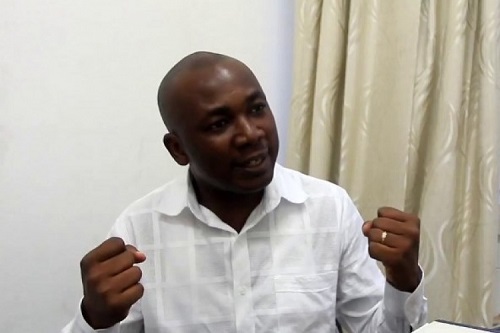
A professor of Economics at the University of Ghana, Godfred Bokpin, has called for an independent body to examine and investigate the GH₵60 billion loss Bank of Ghana (BoG) recorded in 2022.
Speaking on PM Express on JoyNews, he noted that the findings and recommendations from the investigations can be used to guide future governments and BoG executives to avoid such huge loss.
He stated that although financing the government among other decisions taken by the Bank of Ghana lessened the impact of the economic crisis there were other options available to avoid the huge loss.
“We needed the fiscal side to respond appropriately…the extent to which central bank exposed itself raises serious questions. If you look at the level of losses the central bank has taken, the implication for the moral authority of the bank and how stakeholders will view the central bank, I think we could have done better to limit that exposure.”
Prof Bokpin stated that economists saw signs of this several months prior and warned of the consequences adding that the Bank of Ghana ought to be proactive and ensure that such a grave impact was averted.
Read more: BoG records ¢60.8bn loss in 2022
“I think we will probably need an independent body to investigate all of this and make proposals and reforms going forward. It is important because as a lender of last resort, you don't render it to this extent.
"The leadership of the central bank had the obligation to preserve that and I think that was done. What we are talking about goes beyond just one regime, so we can learn from this as that as a country,” Prof Bokpin noted.
Meanwhile, a Banking Consultant, Nana Otuo Acheampong, says all blame cannot be laid squarely on the central bank for the GH₵60 billion loss.
According to him, understanding the root causes of the loss, rather than focusing solely on the magnitude of the figure is also important.
Read More: BoG losses: It was just a technical loss, not a real one – Nana Otuo Acheampong
The financial expert, then highlighted that a considerable portion of the GH₵60 billion loss, a staggering 80 per cent, can be attributed to the Domestic Debt Exchange Program (DDEP).
Latest Stories
-
GPL 2025/26: Dreams FC stage stunning comeback to hammer Eleven Wonders
2 hours -
Livestream: The Probe examines Kumasi’s looming water crisis
2 hours -
MTN Ghana gears up to lead Africa’s AI revolution
2 hours -
Philanthropist Alhaji FuZak donates Da’wah bus to Ambariya Sunni community
2 hours -
GUTA calls for suspension of Publican AI system over trade disruptions
2 hours -
TTAG raises alarm over proposed recruitment of 7,000 teachers, demands national posting roadmap
3 hours -
Civilians feared killed after reports of air strike on Nigerian market
3 hours -
Bishop Simon Kofi Appiah installed as new Jasikan Diocese Bishop
3 hours -
Trump’s Strait of Hormuz blockade threat raises risks and leaves predicaments unchanged
3 hours -
US Court backs extradition of former MASLOC CEO Sedina Tamakloe-Attionu to Ghana
3 hours -
Seven arrested as NAIMOS dismantles illegal mining camp, seizes firearms at Boin River
3 hours -
Fire erupts at Madina Ritz Junction, destroys multiple wooden structures and containers
3 hours -
Daniel-Kofi Kyereh returns from long-term injury, registers assist for Freiburg U23
4 hours -
Knifeman calling himself ‘Lucifer’ slashes three at NYC’s Grand Central
4 hours -
Brands are built from within to without
4 hours