

Audio By Carbonatix
The Kenyan Court of Appeal has given the go-ahead for a controversial healthcare insurance levy, overturning a previous ban.
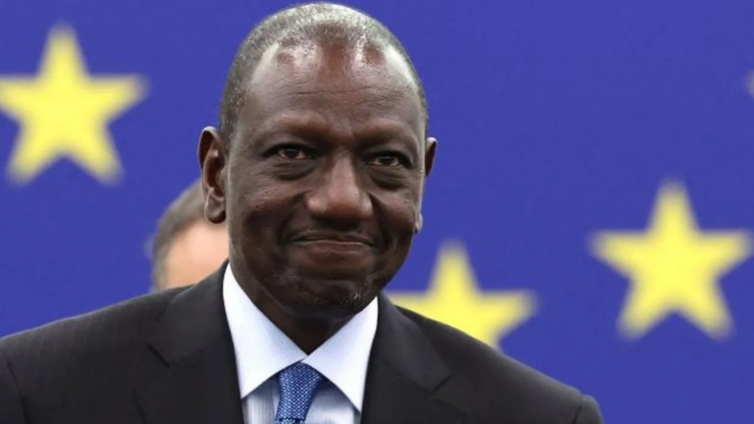
The Social Health Insurance Fund (SHIF), one of President William Ruto's key policies, seeks to provide affordable healthcare to all Kenyans.
But it has proved unpopular with many, who see it as a new tax.
Critics say the levy will aggravate the cost-of-living crisis, which fuelled a wave of protests last year.
The rollout of the SHIF was stopped by the High Court last November following a petition by businessman Joseph Enock Aura, challenging sections of the scheme.
This, alongside the suspension of a controversial housing levy, rattled President Ruto, who has recently publicly accused some unnamed judges of corruption. He said the judiciary was working with the opposition to block his government's projects, sparking protests from lawyers.
The SHIF replaces the decades-old National Health Insurance Fund (NHIF), which has lost billions of taxpayer-contributed funds to corruption.
On Friday, a three-judge bench lifted the ban, saying the suspension posed a "real and present danger to the health rights of countless citizens who are not parties to the litigation".
However, the court suspended sections requiring mandatory registration to the scheme.
All workers are expected to contribute 2.75% of their salaries towards the new health fund.
The new law does not address what happens when individuals cannot afford contributions but President Ruto said his government would pay for those unable.
Critics of the new health plan say the 2.75% deduction is a huge increase on what they paid to the NHIF, coming on top of the recent rise in fuel prices and living costs.
Some also fear that the new social healthcare body will spend most of the collected funds on administrative expenses like the current NHIF, leaving few resources for direct healthcare costs.
In June last year, Mr Ruto signed the Finance Act, another unpopular piece of legislation that introduced a 1.5% housing levy payable by both employers and employees.
The government says it seeks to provide affordable housing to low income earners. The levy has also been challenged in court.
Latest Stories
-
The Ghanaian prophet and the mysterious death of his scottish wife Charmain Speirs
20 minutes -
Nearly 400 sentenced in Nigeria for links to militant Islamists
42 minutes -
Ghana’s recovery supported by gold strength despite global oil price pressures – Standard Bank Research
49 minutes -
Kwaku Azar writes: A-G vs OSP
1 hour -
Mfantsipim–Adisadel rivalry built excellence, not division – Sam Jonah
2 hours -
Vice President launches Mfantsipim’s 150 years of shaping Ghana’s greatest mind
2 hours -
I assure Otumfuo, Mahama will join him to commission KNUST Teaching Hospital by end of this year – Haruna Iddrisu
3 hours -
Barcelona dominate derby to extend La Liga lead
3 hours -
Gov’t to roll out free special education for persons with disabilities from July 1 – Education Minister
3 hours -
Importers and Exporters Association declares full support for Publican AI port system
3 hours -
“We used it to test our officiating officials’ readiness” – Bawah Fuseini after CAA Athletics event
4 hours -
Volleyball emerges as Ghana’s fastest rising sport
4 hours -
National Sports Fund needs strong leadership from the top – Administrator David Wuaku
4 hours -
JoySports Exclusive: Steve McLaren in talks with GFA after expressing interest in Black Stars job
4 hours -
Fire guts auto parts warehouse at Bubuashie, one fire officer injured
4 hours