

Audio By Carbonatix
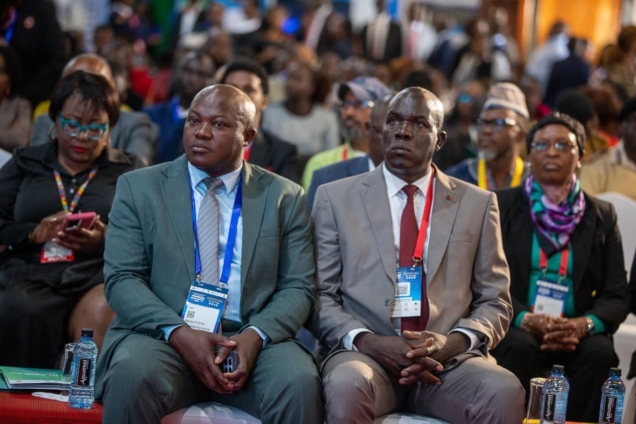
The 4th Global Tourism Resilience Day, Conference and Expo officially opened in Nairobi on Monday with a strong call for leadership, collaboration and decisive action as the global tourism sector confronts increasingly complex crises.
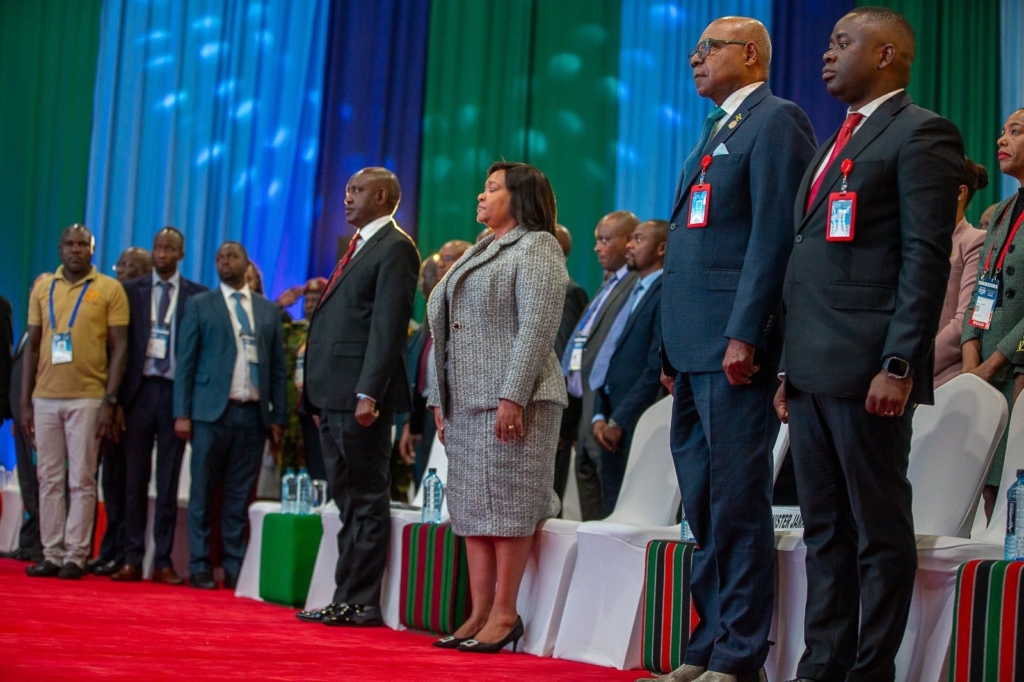
The high-level gathering was formally opened at the Kenyatta International Convention Centre by Rebecca Miano, Cabinet Secretary for Tourism and Wildlife, who delivered the keynote address on behalf of the Deputy President of the Republic of Kenya, Prof. Kithure Kindiki, the Guest of Honour.
Tourism ministers, senior policymakers, private sector leaders, development partners and global experts from Africa, the Caribbean and beyond converged in Nairobi for the conference, which seeks to advance solutions that strengthen tourism’s ability to anticipate, absorb, respond to and recover from shocks.
Leadership, Resilience and Transformation
In her address, Hon. Miano underscored the urgency of moving from dialogue to implementation, stressing that tourism resilience must be embedded in policy, investment and community development.
She noted that the conference was not merely a forum for discussion but “an invitation to shape a tourism sector that is robust, regenerative and capable of delivering benefits across communities.” Emphasising Kenya’s commitment to sustainability, she highlighted investments in renewable energy, responsible infrastructure, inclusive tourism enterprises and the use of technology and data to enhance preparedness and crisis response.
“Investing in resilience today is the surest antidote to tomorrow’s losses,” she stated, calling for stronger collaboration between governments, the private sector, communities and development partners. She further stressed the need to translate research into policy, strengthen financing mechanisms and ensure that resilience efforts are inclusive, particularly for women, youth and small tourism enterprises.
The Vision Behind the Global Resilience Movement
Providing context to the conference, Prof. Lloyd Waller, Executive Director of the Global Tourism Resilience and Crisis Management Centre (GTRCMC), traced the origins of the Centre and its global mission.
He explained that the establishment of the GTRCMC was inspired by the vision of Jamaica’s Minister of Tourism, Edmund Bartlett, whose advocacy elevated resilience from a conceptual idea to a practical policy imperative.
According to Prof. Waller, the Centre was created to convene knowledge, strengthen preparedness and support destinations before, during and after crises. He stressed that resilience is not static but dynamic, requiring continuous adaptation in response to emerging global risks including climate change, health emergencies, geopolitical instability and digital threats.
Tourism as a People-Centred Industry
In his remarks, Hon. Bartlett reinforced the idea that tourism resilience is ultimately about people. He highlighted tourism’s role as a lifeline for jobs, livelihoods and national development, particularly in vulnerable economies.
He cautioned against fragmented approaches, noting that no destination can withstand modern shocks in isolation. Instead, he called for aligned policies, stronger public-private collaboration, investment in skills and institutions, and regional cooperation across Africa, the Caribbean and other emerging markets.
“This day is not about ceremony,” Bartlett noted. “It is about capability, continuity and building systems that allow tourism to withstand disruption while continuing to deliver value to communities.”
High-Level Panel: From Policy to Practice
Following the opening ceremony, attention shifted to a high-level panel on Resilience Policy in Practice, moderated by Dr. Aradhana Khowala, CEO of Aptamind Partners (UK).
Panelists included Hon. Rebecca Miano; Hon. Edmund Bartlett; Denay Jock Chagor, Minister of Wildlife Conservation and Tourism, South Sudan; Agosto Laurindo Kalikemala, Secretary of State for Tourism, Angola; Jackson Hakiza, Director General of the Rwanda Chamber of Tourism; and John L. Ololtuaa, Principal Secretary, State Department for Tourism, Kenya.
Discussions focused on translating national and regional tourism strategies into actionable resilience frameworks, strengthening institutional coordination, mobilising finance and ensuring that resilience delivers tangible benefits at destination and community levels.
Nairobi as a Convening Hub
The opening day built on momentum from the welcome dinner and reception held the previous evening at the KICC, where delegates were hosted to an immersive Kenyan cultural experience featuring local cuisine, music and dance performances by the Bomas of Kenya Cultural Group.
As the conference unfolds, Nairobi has firmly positioned itself as a global convening hub for tourism resilience discourse — with Africa not as a passive participant, but as a leader shaping the future of the global tourism economy.
Latest Stories
-
Afoko can give NPP ‘new identity’ ahead of 2028 to overcome NDC – Political scientist, Dr Amakye-Boateng
3 minutes -
2 injured amid gunshots during raid at Nawara Mining office at Nsuapemso
7 minutes -
St Augustine’s College retains 2026 National Investment Quiz title
11 minutes -
KNUST Nursing and Midwifery School staff recognised at 2026 Health Ministry Excellence Awards
20 minutes -
JoyNews’ Esther Esi Nkrumah selected for UK Media Excellence for Emerging Technology Fellowship
25 minutes -
Five NDC youth organisers in Western Region pay courtesy call on Armah-Kofi Buah
37 minutes -
NACOC demands tighter port controls to prevent Tema Harbour drug trafficking
40 minutes -
Ghana’s startup ecosystem must build sustainability into innovation – Ghana Hubs Network
51 minutes -
Friday’s beachfront demolition was carried out at Labadi Beach Hotel’s request, not for flood mitigation – Stan Dogbe
53 minutes -
LA 2028: Mukarama returns to Black Queens squad for Olympic Games qualifiers
54 minutes -
Fusaini Yakubu Abanga leads NPP National Youth Organiser race with 45% in Global InfoAnalytics poll
1 hour -
Suame Methodist JHS marks 120 years with a call for STEM innovation
1 hour -
Global fashion coalition launches in the heart of Kantamanto Market
1 hour -
‘No concrete commitments from government’ – Brong Ahafo teacher unions maintain strike
1 hour -
Finance Minister demands greater returns from NLA after GH¢10 million dividend presentation
2 hours