

Audio By Carbonatix
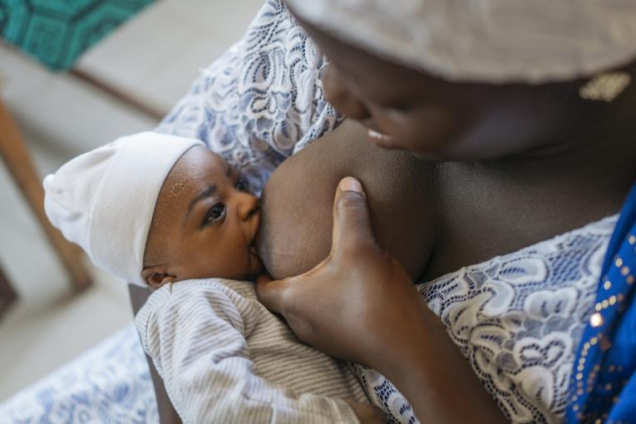
Mothers must not give in to modern-day pressures and deny their babies breast milk, since doing so can affect the child’s growth and overall wellbeing, a health practitioner, Ms Wilhemina Minnow, has mentioned.
“Breast milk is nature’s perfect food, containing all the nutrients a baby needs for healthy growth and development, as well as antibodies that protect against infections and reduce the risk of diseases like diarrhoea, respiratory illnesses, asthma and obesity later in life,” she stated.
Speaking in an interview with The Ghanaian Times yesterday to mark this year’s World Breastfeeding Week, celebrated in the first week of August, Ms Minnow said mothers must be encouraged to give their babies only breast milk for the first six months without water, formula or solid foods.
“It’s like giving your baby their first vaccine,” she explained, adding that the early milk, colostrum, is rich in immune-boosting substances that build a strong foundation for the baby’s health.
Ms Minnow further stressed that breast milk also promotes healthy gut bacteria, essential for immunity, and contains fatty acids that help brain development, contributing to higher IQ and academic performance later in life.
Beyond the child’s wellbeing, she said exclusive breastfeeding benefits the mother too. “It helps the womb return to its normal size after birth, reduces bleeding, lowers the risk of breast and ovarian cancers, and even burns calories to support weight loss.”
On the mental side, Ms Minnow noted that breastfeeding releases hormones like oxytocin and prolactin, which help mothers bond with their babies and reduce the risk of postpartum depression.
She debunked common myths that some mothers did not produce enough milk, saying that true milk insufficiency is rare. “Most cases are due to infrequent breastfeeding, poor latching, anxiety, or wrong perceptions. Frequent breastfeeding on demand is key to maintaining a healthy milk supply,” she advised.
Touching on the pressure many urban mothers face to switch to formula, Ms Minnow urged women to stand firm and seek support. “No formula can match breast milk. Build a support system, know your rights, and plan ahead for work,” she urged, calling for better workplace policies such as breastfeeding breaks and private spaces.
She advocated national measures, including longer maternity leave, stricter control of formula marketing, community education, and training of health workers to better support breastfeeding mothers.
“Breastfeeding is not just a mother’s job, it’s a public health investment,” she concluded.
Latest Stories
-
Chiefs, queen mothers and principal elders of Odau group denounce ‘rebellious Etweresohene’, pledges allegiance to Okyenhene
3 minutes -
KNUST library dress code sparks online backlash over strict rules
11 minutes -
Cultural Diplomacy in Action: Ghanaian youth leaders present symbolic smock to U.S. Chargé d’Affaires
12 minutes -
Ghana Card payment activation under review – NIA breaks silence on financial integration
36 minutes -
Ofori-Atta’s ICE release on bail positive; he’s elderly and poses no risk – Amanda Clinton
38 minutes -
Ken Ofori-Atta’s passport seized after bail, set to reappear in US Court on April 27
41 minutes -
Stuck contraceptives risk HIV surge – Ghana HIV/AIDS Network President warns
42 minutes -
Edmond Boateng elected Secretary of Honorary Consular Corps of Ghana
1 hour -
Omanhene Kwabena Asante slams GIADEC CEO over alleged discrimination in mining concessions
2 hours -
Majority of Ghanaian importers lack awareness of cargo insurance – Gyampo
2 hours -
GJA Ashanti applauds Asantehene for securing land for new press centre
2 hours -
CIMAF Ghana donates cement to Afua Kobi SHS
2 hours -
Ghana to benefit from France’s National health platform following Paris talks
2 hours -
Due process must prevail in Ofori-Atta’s immigration and extradition cases – Lawyer
2 hours -
Oil palm fund will create coherent ecosystem, boost supply—DBG CEO
2 hours