

Audio By Carbonatix
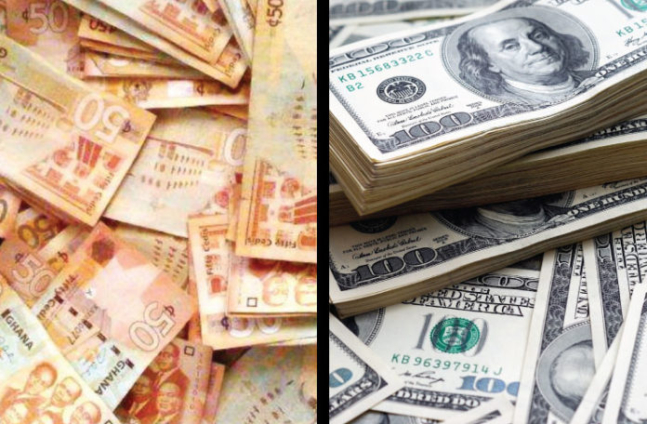
Speculative demand for the dollar, payments to Independent Power Producers (IPPs) and contractors, faster growth in imports, corporate demand for dollars and seasonality pressures have underscored the cedi's bearish run.
According to GCB Capital, while the performance under the 3-year International Monetary Fund-supported programme has been impressive so far, with the macroeconomic and structural reforms broadly on track amidst the emerging signs of economic recovery, the local currency remains bearish.
It pointed out that the relatively stable start to the year has given way to patches of pronounced depreciation from late February into March 2024 and through May 2024, with the indicative US dollar/Ghana cedi retail rate drifting past the GH¢15/US$ market.
“The general macroeconomic uncertainties, Ghana's history of election-induced fiscal slippages, and the protracted negotiations around external debt exchange continue to fuel negative sentiments around the cedi's outlook in the near term, underscoring the rife speculative demand pressures on the FX market. Additionally, seasonality effects from the corporate sector, the sharper increase in the import bill through quarter one 2024, and IP-related and contractor payments, among other factors, have also enhanced Ghana cedi liquidity levels and continue to fuel speculative tendencies”, it added.
While the Bank of Ghana and the Ministry of Finance have deployed moral suasion as the main tool to calm sentiments, assuring investors of adequate reserves to meet the market's needs, GCB Capital said it appears investors will hold out for hard evidence of fiscal discipline to complement the recovery in other macroeconomic indicators.
“The pronounced revenue gap in quarter one of 2024 and the frontloaded expenditure for the period already yielded a higher primary deficit (on commitment) of 0.7% Gross Domestic Product (versus target:-0.2%). This fiscal outturn will require a stronger revenue performance through the remaining quarters of 2024 and a commitment to fiscal consolidation and expenditure rationalization to restore a balance, which is key for anchoring sentiments”, it continued.
“We welcome the targeted support to selected corporates to ease the FX [foreign exchange] pressure buildup and the partnership with the Ghana Association of Bankers to streamline documentation around foreign payments to minimise the incentives to resort to the parallel market”, it stated.
It concluded that beyond the clamp-down on advertised rates, stricter supervision and enforcement of foreign exchange rules could be more effective in quelling the speculative pressures.
Latest Stories
-
We must account for every cedi entrusted to us as public officials – Ato Forson
12 minutes -
Supreme Court rejects Solomon Asamoah’s bid to overturn Sky Train ruling
28 minutes -
Nungua Traditional Stool, WT Plastics partner to establish factory, create 1,400 jobs
30 minutes -
Mahama describes Ghana’s religious diversity as its greatest treasure, defends fairness to all faiths
35 minutes -
Police to arrest motorists who use pedestrian footbridges – ACP Obeng
36 minutes -
KNUST announces revised reopening dates, lectures begin October 19
49 minutes -
GoldBod, military engineers partner to reclaim galamsey-damaged Tano Nimri Forest
50 minutes -
NACOC educates 450 Koforidua SHS students on dangers of drug abuse
50 minutes -
First-year students stranded as Obuasi SHTS remains closed over misconduct probe
52 minutes -
Court halts promotion of 40 police officers pending IGP’s appeal
54 minutes -
Gender Ministry deploys teams nationwide to monitor LEAP cash grant payments
59 minutes -
GNFS contains Somoco warehouse fire; bushfire near TTU in Takoradi
60 minutes -
Recurring teacher-student sexual abuse cases give cause for worry – Salaga South MP
1 hour -
D-Black shocked as only 16 radio and TV stations pay music royalties
1 hour -
Former SIC Savings and Loans MD Amma Frimpomaa Dwumah honours EOCO invitation
1 hour