

Audio By Carbonatix
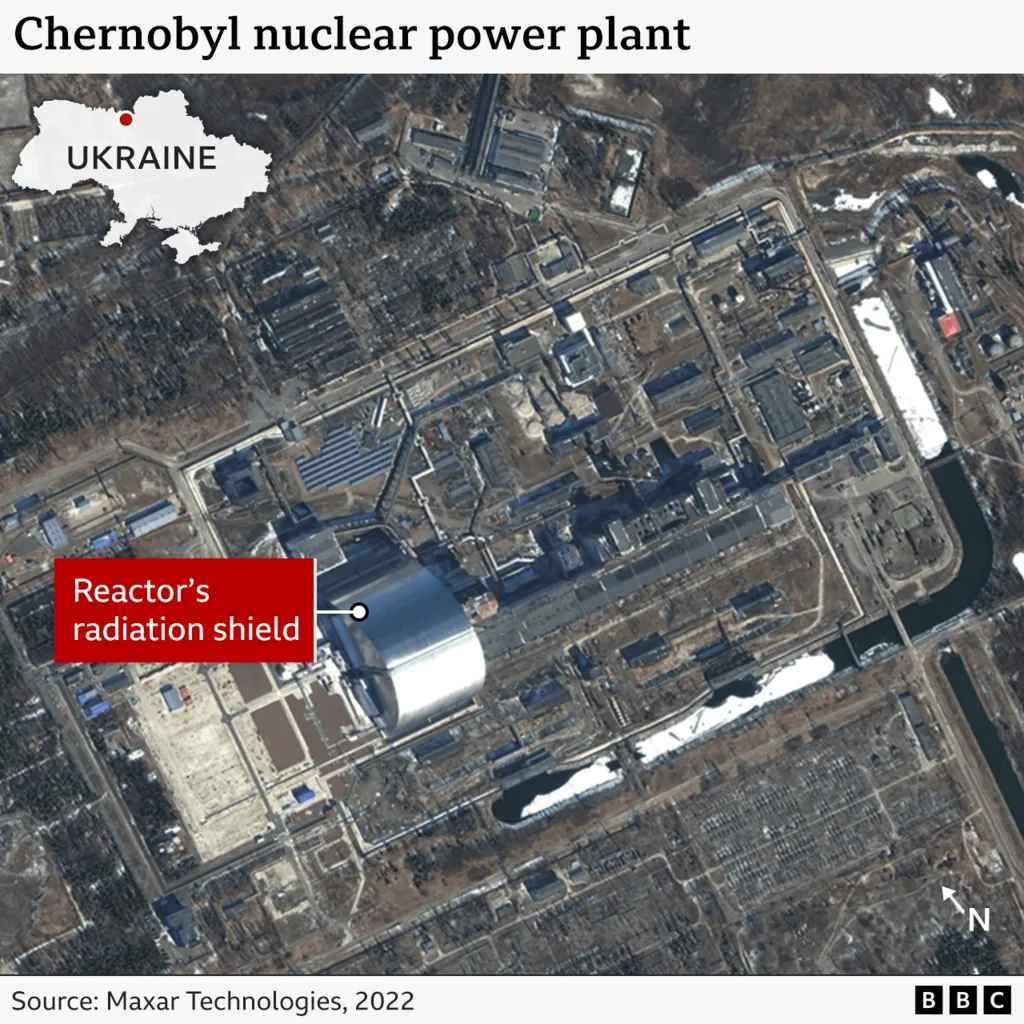
A protective shield covering the Chernobyl nuclear reactor in Ukraine can no longer provide its main containment function following a drone strike earlier this year, according to a UN watchdog.
International Atomic Energy Agency (IAEA) inspectors found that the massive structure, built over the site of the 1986 nuclear disaster, had lost its "primary safety functions, including the confinement capability".
In February, Ukraine accused Russia of targeting the power plant - a claim the Kremlin denied.
The IAEA said repairs were "essential" to "prevent further degradation" of the nuclear shelter. However, environmental expert Jim Smith told the BBC: "It is not something to panic about."
Prof Smith from the University of Portsmouth in the UK, who has studied the aftermath of the Chernobyl disaster, said the biggest danger linked to the site was disturbing radioactive dust.
But he said that "the risk is low" because contaminated dust is contained within a thick concrete "sarcophagus" which is covered by the protective shield.
The 1986 explosion at Chernobyl blasted radioactive material into the air, triggering a public health emergency across Europe.
In response, the former Soviet Union constructed the sarcophagus over the nuclear reactor.
The sarcophagus only had a 30-year lifespan, prompting the need for the protective shell to prevent radioactive material from leaking out over the next 100 years.
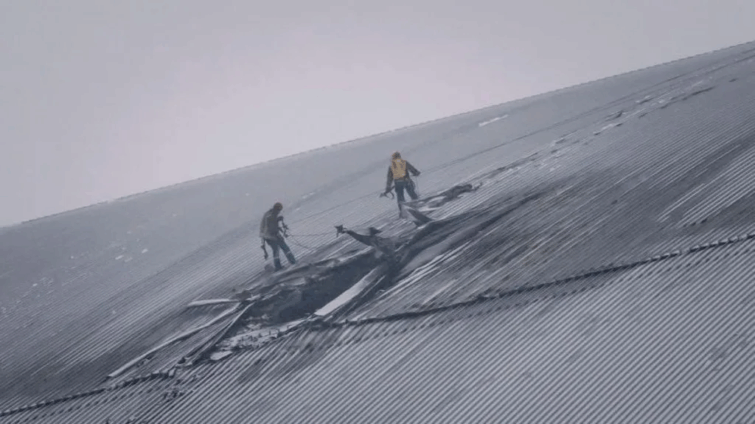
The IAEA said a team had completed a safety assessment of the site last week after it was "severely damaged" by the drone strike. The attack caused a fire in the outer cladding of the steel structure.
Inspectors said there was no permanent damage to the shell's load-bearing structures or monitoring systems and some repairs had been carried out on the roof.
But IAEA director general Rafael Grossi said: "Timely and comprehensive restoration remains essential to prevent further degradation and ensure long-term nuclear safety."
Since the beginning of December, the UN's nuclear watchdog has been assessing Ukraine's energy infrastructure as the country continues to defend itself against Russia.
Overnight, Russia launched airstrikes on the city of Kremenchuk, a major industrial hub in the centre of Ukraine.
As well as assessing Chernobyl, the IAEA has been inspecting electrical substations linked to nuclear safety and security.
Mr Grossi said: "They are absolutely indispensable for providing the electricity all nuclear power plants need for reactor cooling and other safety systems.
"They are also needed to distribute the electricity that they produce to households and industry."
Latest Stories
-
Apetorku Gbodzi 2026 Festival opens in Dagbamete with development focus
5 minutes -
Mahama arrives in Lyon to co-chair One Health Summit
12 minutes -
Beverly View Plus Hotel draws crowds amid coastal Easter rush in Volta
12 minutes -
Maiden Zongo Festival held in Wa amid calls to tackle drug abuse among the youth
35 minutes -
FDA warns of fake HIV test kits on Ghanaian market
1 hour -
Africa urged to build resilient health systems as donor support tightens
1 hour -
Easter gesture: Ablakwa settles medical bills for 85 North Tongu constituents
3 hours -
Africa must harness its population strength—Titus-Glover
3 hours -
Visa-free access doesn’t mean unlimited stay – Lom Ahlijah
3 hours -
From Golgotha to Kwahu: The Easter Migration of the Faithful and the Faithless
4 hours -
How the Ghanaian onion traders’ standoff with Nigeria unfolded and threatened local supply
4 hours -
No compensation for demolished structures on 24-Hour Economy market lands — Gov’t to structure owners
5 hours -
Financial Institutions must back local enterprises to spur growth – Deputy Minority Whip
5 hours -
Photos: Gomoa Easter Carnival 2026 ends in a burst of colour and celebration
5 hours -
Gomoa Easter carnival ends in colour as fashion, music and celebrity appearances light up final night
5 hours