

Audio By Carbonatix
In a significant step towards advancing decentralisation and promoting equitable development across Ghana, the Ministry of Local Government, Chieftaincy and Religious Affairs has formally received the much-anticipated report from the Committee for the Elevation of Districts and Municipalities.
The committee, established just two months ago with a clear mandate, has recommended elevating 33 local assemblies as part of the government’s ongoing commitment to strengthening governance at the local level.
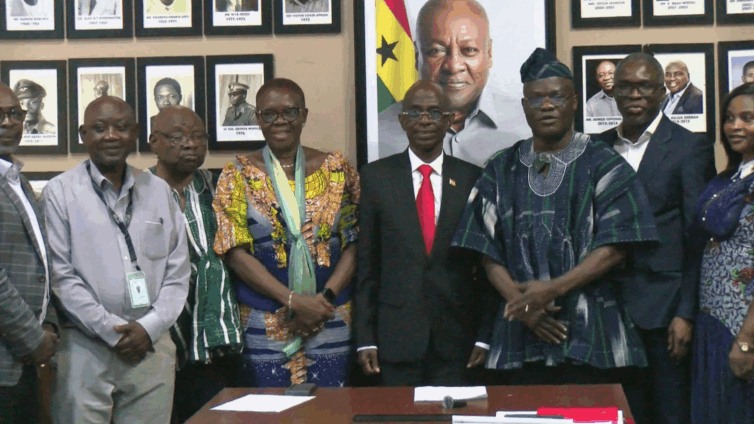
At a brief ceremony, Johnson Asiedu Nketia, Chairman of the Committee, handed over the report to Ahmed Ibrahim, the Minister for Local Government, Chieftaincy and Religious Affairs.
The committee’s findings include a proposal to upgrade 12 existing municipalities to metropolitan status, elevate one district directly to metropolitan status, and raise 20 districts to the municipal level.
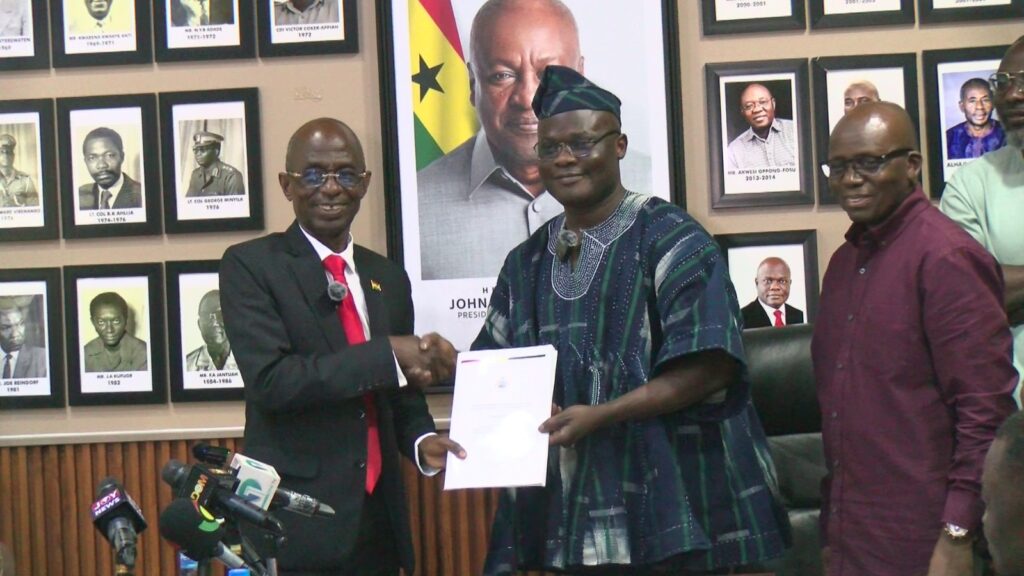
Mr Ibrahim expressed his appreciation for the hard work and dedication of the committee members, recognising the report not just as a technical document but as a strategic roadmap for Ghana’s future local governance.
“This report will guide the Ministry in making informed policy decisions, enhancing service delivery, and building the capacity of our local assemblies,” Mr Ibrahim said. “It will be pivotal in empowering our communities and ensuring that our districts, municipalities and metropolises are better equipped to serve their citizens.”
The minister also highlighted the importance of these upgrades in supporting the President’s “Resetting Agenda” and fulfilling the government’s broader vision for socio-economic transformation. He underscored that these changes will have a far-reaching impact on resource allocation, development planning and the overall well-being of communities across the country.
The elevation of these 33 MMDAs is a critical part of the government’s ongoing decentralisation efforts, which aim to bring governance closer to the people and ensure that resources and decision-making power are distributed more evenly across regions. By upgrading these local assemblies, the government hopes to improve service delivery, address regional disparities and enhance the socio-economic development of the nation.
The recommendations will now be carefully reviewed by the ministry, with final approval expected from President Mahama. Once approved, the changes will mark a pivotal moment in the country’s governance, strengthening the role of local assemblies in driving development and improving the lives of Ghanaians.
In his closing remarks, Minister Ibrahim extended his heartfelt thanks to both the committee members and the ministry staff who supported the process.
“Your work will have far-reaching implications for the development of our country. You have laid the groundwork for a more robust and empowered local governance system,” he concluded.
Latest Stories
-
A source of excellence across generations – Vice President Opoku-Agyemang lauds Mfantsipim
14 minutes -
(Photos) Mfantsipim School launches historic 150th anniversary
38 minutes -
Knights and Ladies of Marshall group backs Catholic Bishops’ stance on anti-LGBTQ+
2 hours -
Bright Simons writes: All the Filla in the Ibrahim Mahama/E&P – Gold Fields Saga
2 hours -
Monetise Idiocy In Ghana
2 hours -
The Ghanaian prophet and the mysterious death of his scottish wife Charmain Speirs
3 hours -
Nearly 400 sentenced in Nigeria for links to militant Islamists
3 hours -
Ghana’s recovery supported by gold strength despite global oil price pressures – Standard Bank Research
3 hours -
Methodist Church hails Mfantsipim@150; calls for “fresh consecration” to excellence
4 hours -
‘Excellence is our inheritance’ – Nana Sam Brew-Butler hails Mfantsipim’s 150-year reign in leadership
4 hours -
Kwaku Azar writes: A-G vs OSP
4 hours -
Mfantsipim–Adisadel rivalry built excellence, not division – Sam Jonah
4 hours -
Vice President launches Mfantsipim’s 150 years of shaping Ghana’s greatest mind
5 hours -
I assure Otumfuo, Mahama will join him to commission KNUST Teaching Hospital by end of this year – Haruna Iddrisu
5 hours -
Barcelona dominate derby to extend La Liga lead
5 hours