

Audio By Carbonatix
Some manufacturing firms in Ghana have started downsizing their businesses, whiles others are also laying off some workers due to the high cost of doing business in Ghana.
This has been compounded by the rising utility tariffs and high tax levels for most firms operating in the country.
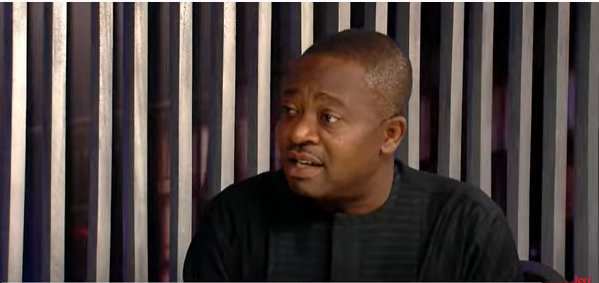
The Chief Executive Officer of the Association of Ghana Industries (AGI) Seth Twum Akwaboah disclosed this on PM Express Business Edition on the Joy News Channel on February 9, 2022 with host, George Wiafe.
He is of the view that it is time for government to review its tax and utility tariff regime.
“There is a lot of pressure on some of the firms by their foreign shareholders to even shutdown their operations”, said.
Mr. Akwaboah rejected suggestions that companies facing challenges have not been innovative to remain competitive.
He cited for example that it is less expensive to operate similar businesses in other countries in West Africa.
Capital and credit extension concerns for industry
Mr. Akwaboah expressed worry that the current challenges with access to credit could worsen in the year.
He warned that the Domestic Debt Exchange Programme could impact capital and liquidity of the commercial banks in the country.
Mr. Akwaboah was however hopeful that the Financial Stability Fund that the Bank of Ghana plans to established could cushion financial institutions.
“It may help address the concerns and fears of the industry about the challenge with access to credit and issue about the cost of credit in the country”.
He added that manufacturers could also be impacted if special attention is not directed at players in that area.
Government’s Intervention
Making some recommendations, Mr. Akwaboah appealed to government to do more to protect local industries.
“We can look at the regulatory regime for industries and how the required policies can be instituted to aid their growth in the country”, he suggested.
Mr. Akwaboh stated that it is not right for industries to pay more for utility tariffs, when in some countries tariffs are subsidized for industries.
“We just cannot leave our industries alone in these challenging times, they must be given the needed support”.
Latest Stories
-
The Ghanaian prophet and the mysterious death of his scottish wife Charmain Speirs
9 minutes -
Nearly 400 sentenced in Nigeria for links to militant Islamists
30 minutes -
Ghana’s recovery supported by gold strength despite global oil price pressures – Standard Bank Research
37 minutes -
Kwaku Azar writes: A-G vs OSP
1 hour -
Mfantsipim–Adisadel rivalry built excellence, not division – Sam Jonah
2 hours -
Vice President launches Mfantsipim’s 150 years of shaping Ghana’s greatest mind
2 hours -
I assure Otumfuo, Mahama will join him to commission KNUST Teaching Hospital by end of this year – Haruna Iddrisu
3 hours -
Barcelona dominate derby to extend La Liga lead
3 hours -
Gov’t to roll out free special education for persons with disabilities from July 1 – Education Minister
3 hours -
Importers and Exporters Association declares full support for Publican AI port system
3 hours -
“We used it to test our officiating officials’ readiness” – Bawah Fuseini after CAA Athletics event
3 hours -
Volleyball emerges as Ghana’s fastest rising sport
3 hours -
National Sports Fund needs strong leadership from the top – Administrator David Wuaku
4 hours -
JoySports Exclusive: Steve McLaren in talks with GFA after expressing interest in Black Stars job
4 hours -
Fire guts auto parts warehouse at Bubuashie, one fire officer injured
4 hours