


Audio By Carbonatix
The Association of Ghana Industries (AGI) has emphasised the need for businesses to strategically focus on policy, infrastructure, and innovation, as well as access to finance, to thrive.
AGI Regional Chairman for Ashanti, Bono, Bono East, and Ahafo, Kwasi Nyamekye, stated that this indicated that industries needed to anchor on those pillars to add value to raw materials produced in the country and be the leading exporters of finished products and other commercial raw materials in Ghana.
He said that although policy stability was the foundation of successful businesses, investors and industrialists needed the assurance that regulatory changes would not occur overnight.
It was therefore necessary for the government to deepen engagements with AGI and other stakeholders in shaping industrial policies to reflect realities.
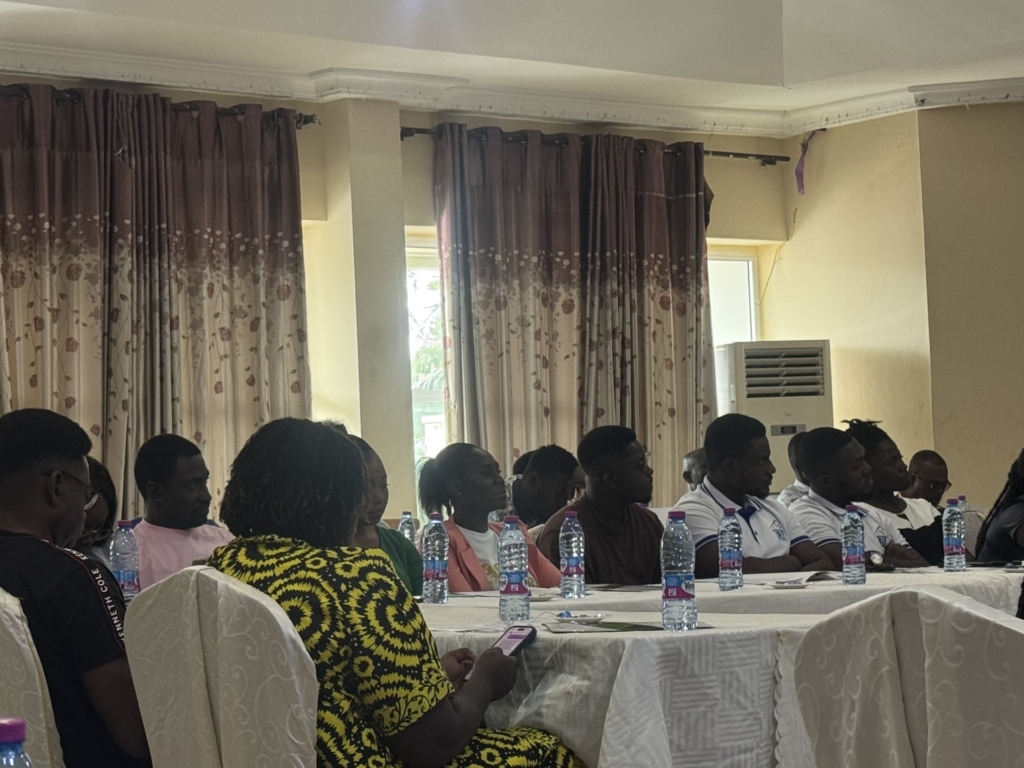
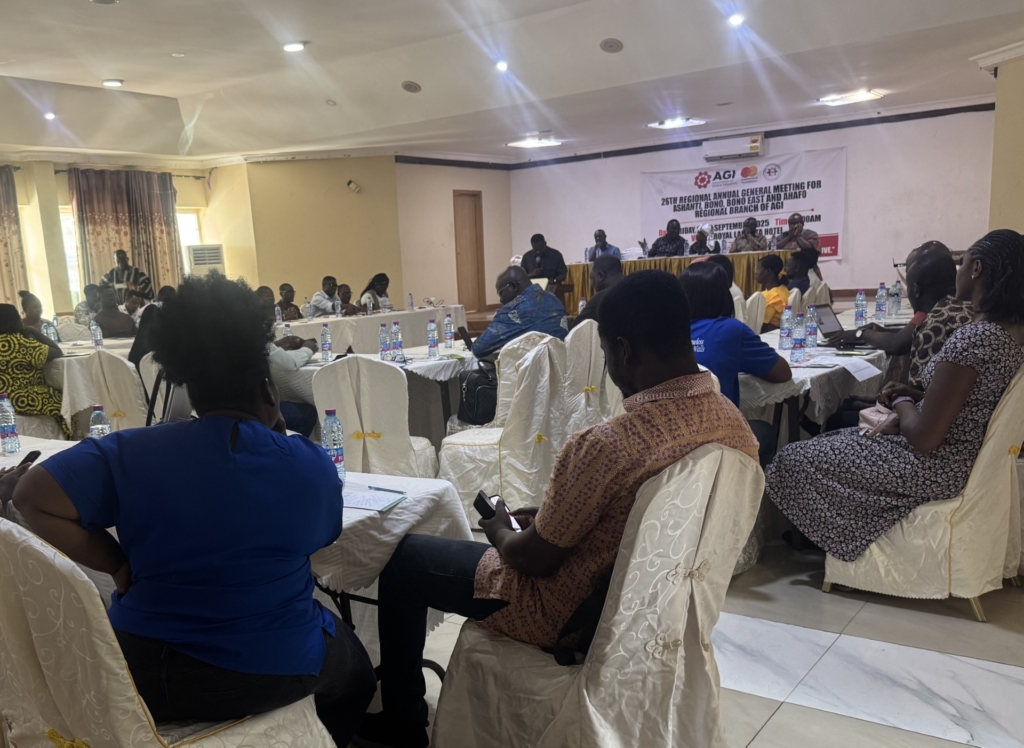
Mr. Nyamekye was speaking at the 26th Regional Annual General Meeting for the Ashanti, Bono, Bono East, and Ahafo Regional Branch of AGI in Kumasi.
The other pillars for business growth, he said, included reliable and efficient infrastructure and innovation, adding that it was important for Ghana to invest in digital infrastructure and promote innovation ecosystems.
Mr. Nyamekye explained that access to finance remained the greatest challenge amid high interest rates stifling local industries.
The best way to address this was for financial institutions and regulators to develop tailored products for manufacturers, especially SMEs, with longer tenures and affordable rates.
The Chairman called on AGI members to adopt sustainable practices, embrace technology, and invest in skills and development to stay competitive on the African continent and beyond.
The Chief Executive Officer of AGI, Seth Twum-Akwaboah, said the Association was working in numerous ways to make local and international transactions easier for businesses.
These included working through the Export Development Council, which would support the ecosystem for exports.
Again, the AGI, according to Mr. Twum-Akwaboah, was strategising with the government for businesses to benefit from the 24-Hour Economy policy.
The meeting was held on the theme “Creating a Conducive Business Environment for Industrial Competitiveness: 24-Hours in Perspective.”
Latest Stories
-
Total revenue & grants stood at GH¢144.5bn in July 2026, lower than targeted amount – BoG
10 minutes -
Ghana Sports Fund urges sports federations to submit credible proposals and measurable targets
14 minutes -
Musk says US government may be behind slowdown of Ukraine drone speeds
31 minutes -
Picking Chief Justices nearing retirement could give Mahama immense power – Bentil
41 minutes -
Netflix to shed 1,000 jobs in steepest cuts since 2022
1 hour -
Burnham had two hospitality dinners with Man City chairman, deleted records show
1 hour -
Semenyo ‘froze’ after alleged racist abuse, court told
1 hour -
‘Shameless’ – Mourinho critical of Vinicius Jr ban timing
2 hours -
Loyalty can outweigh competence in Chief Justice selection – Bentil
2 hours -
Man City suffer as PSG masterclass sets up Champions League win
2 hours -
Customer Service Africa CEO urges business leaders to observe staff and customer interactions
2 hours -
On night of mayhem for Liverpool, Barcola arrives in style
2 hours -
Muzic Mensah finds healing and renewed love in new single ‘WayƐ Late’
2 hours -
FIFA to offer extra £2.6bn for football development
2 hours -
Government backing is no EPA permit – Authority warns GoldBod, ministries
3 hours