

Audio By Carbonatix
All over the world, the novel coronavirus is taking an unprecedented toll on health infrastructure. This pandemic has even overwhelmed developed countries with some of the best healthcare systems in the world crashing.
At the core of the fight against this virus are frontline healthcare workers whose work has even become more dangerous in these times.
In Ghana, there have been concerns by some of them about the lack of or inadequate Personal Protective Equipment (PPE) required to aid them to perform their duties safely and effectively.
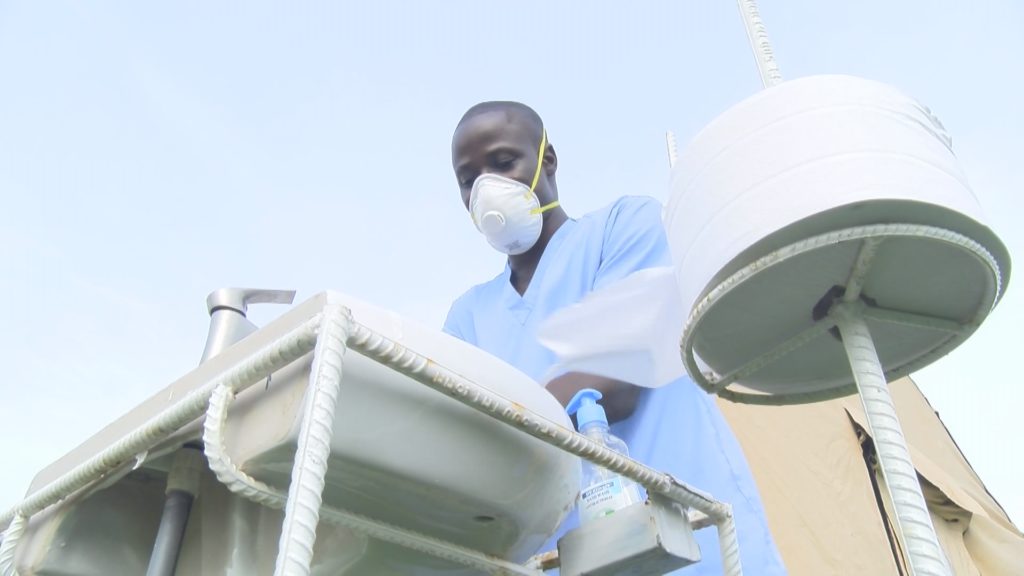
It is therefore an undeniable fact that the role of these healthcare workers in the Covid-19 battle cannot be underestimated. But while they continue with their heroic efforts, they also have to grapple with stigma from the communities in which they live.
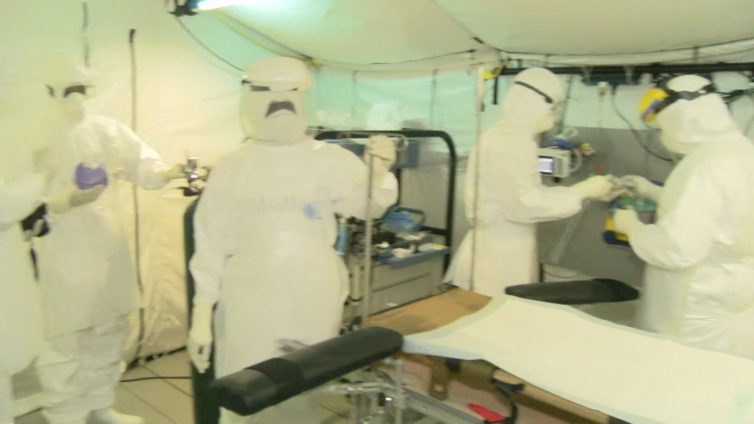
One of such frontline healthcare workers is Major Mathias Yeli-Ahig, Deputy Camp Commandant at the Elwak Level 2 Covid-19 Isolation and Treatment Centre. He is part of the over 20 health workers deployed from the Ghana Armed Forces to help manage and care for persons at the Elwak Covid-19 Centre.
As a health worker, he understands the hazards associated with the job at hand. “We took an oath to defend this country by air, land, and sea even at the peril of our lives. So when the very moment came for you to put that oath to work or to really stand by the words you said before the Commander-In-Chief, we don’t hesitate. We rather take pride in that opportunity”, he said when quizzed about his view on the dangers associated with the job.
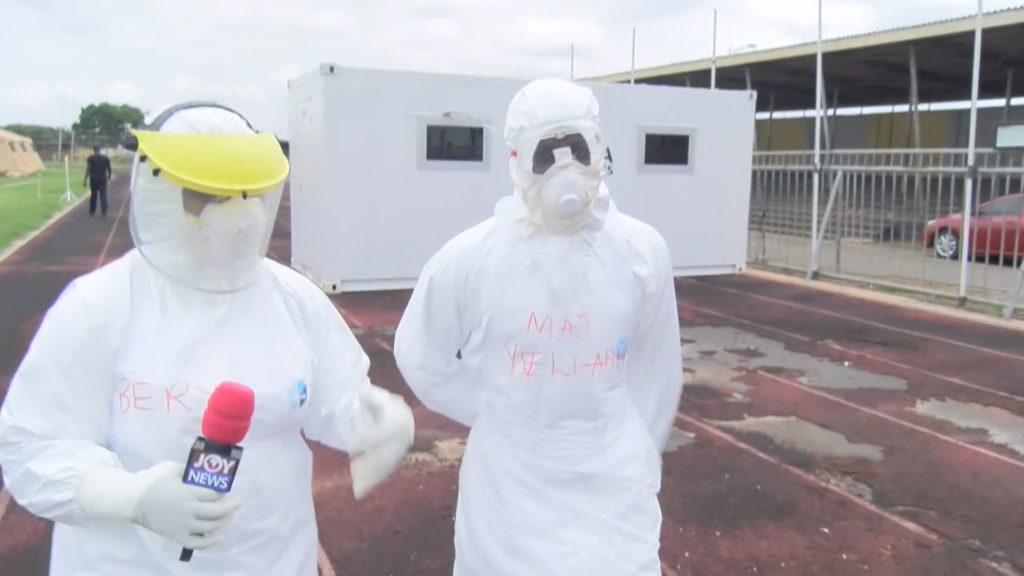
Just like other front liners, he has encountered challenges with regards to the stigma he sometimes faces from friends.
“This video that is being filmed; the next moment you see a friend, he’ll be like; 'boy ibi like last time I see you for TV top, you dey the Covid Centre? Okay, maintain some distance whiles we talk.' You know it’s funny but indirectly the person has shown that level of stigmatisation,” he said in an interview with JoyNews.
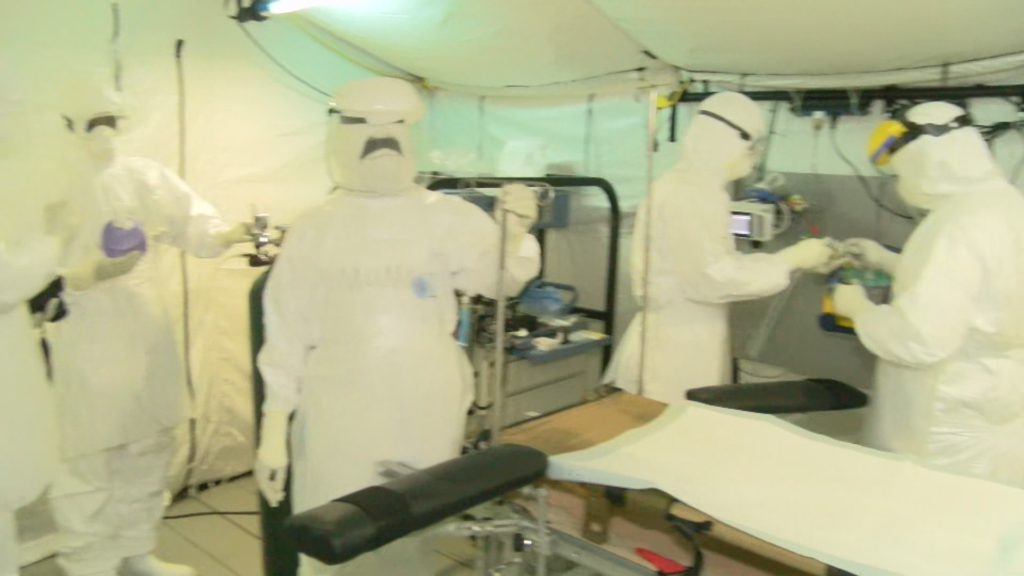
“Our greatest concern is the patients. Once they leave here and they have been declared recovered; it means they have recovered. There is no point trying to avoid them. The worst of it is the non-verbal communication”, said Major Yeli-Ahig on the stigma faced by persons who have recovered from the disease.
He explains that the best thing to do is “when they come back, that is when we show them love. We try to learn from their experiences. They will share the stories that they went through so that we will know that indeed what we are up against as a nation is real”.
Latest Stories
-
Gomoa Easter Carnival in photos
5 minutes -
Gov’t orders removal of fuel taxes to ease pump price hikes
11 minutes -
“Whatever the decision of CAS, we will respect it” – CAF President Motsepe after AFCON final meetings in Morocco
27 minutes -
Emma Ankrah: When waiting becomes part of treatment – Reflections on hospital care
31 minutes -
Ghana urges travellers to prepare for new EU border system roll-out
40 minutes -
Mahama enforces fuel coupon ban for ministers as cabinet moves to slash fuel taxes
44 minutes -
Task force probes strange fish deaths in Tema
48 minutes -
Neglected traffic lights turn Awoshie–Anyaa highway into deadly hotspot
1 hour -
EOCO declares Dr Gabriel Tanko Kwamigah-Atokple a fugitive over alleged gold fraud
1 hour -
GSE records GH¢1.09bn trade in equity market; 10 stocks register gains
2 hours -
Fuel prices: Ghana places 15th in Africa
2 hours -
Africa must look inward: Reframing resilience in a shifting global economy
2 hours -
9 dead, 2 missing after boat capsizes on Volta Lake
2 hours -
Miss Diaspora Ghana 2026 launched to deepen diaspora ties and drive development
2 hours -
US issues travel warnings for Nigeria and São Tomé and Príncipe as security risks mount
3 hours