

Audio By Carbonatix
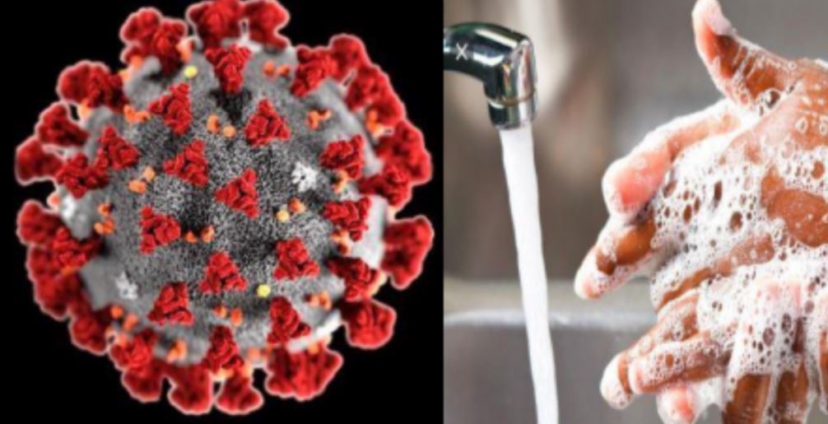
A study across the country has revealed lots of Ghanaians are not washing their hands frequently for more than twenty seconds as recommended by the World Health Organisation to prevent spread of Covid-19.
The study showed 46.1% of the respondents practised handwashing for more than 20 seconds, 35.7% did that for 10-20 seconds while 18.2% also did so for less than ten seconds.
“It was found in the study that most people do not wash their hands in accordance with the WHO’s standard of not less than 20 seconds per handwash,” the study by PhD student at the Kwame Nkrumah University of Science and Technology (KNUST) Francis Dadzie Mintah and seven other researchers from the University of Cape Coast, University of Ghana and the University of Education – Winneba, noted.
Questionnaires were administered to over one thousand people who were sampled across the country using a simple random sampling technique.
The study observes a lot of people are practicing frequent handwashing with soap under running water in this Covid-19 era more than before the pandemic hit.
However, a decline in the frequent washing of hands in a day is likely to be observed in the country after the Covid-19 pandemic period.
If this trend continues, there is the likelihood of Ghanaians and non-Ghanaians becoming more exposed to not only Covid-19 disease but also to all diseases associated with personal hygiene.
“This may result in high fatalities in diseases pertaining to personal hygiene,” the study said.
It recommended that education on handwashing for personal hygiene should be intensified across the entire country. Moreover, the attitude of Ghanaians toward personal hygiene and handwashing to be precise should change for the better.
“Again, the government of Ghana should put in measures to ensure availability of running water in the communities across the country,” the study recommended.
The study found that females are 79% more likely to engage in frequent handwashing as compared to males.
Moreover, non-Ghanaians are 81% more likely to frequently wash their hands than Ghanaians. Individuals with no formal education are 19% less likely to engage in frequent handwashing per day as compared with those with tertiary education.
“Therefore, education on frequent handwashing should be intensified across the entire country,” the study added.
Latest Stories
-
Tyson Fury dominates Makhmudov, calls out Joshua next
3 minutes -
I have supported highway authority financially to fix roads in my constituency – A Plus
1 hour -
US, Iran fail to reach peace agreement after marathon talks in Pakistan
2 hours -
ECG kicks off Phase Two of transformer upgrades at Lashibi; brief outages expected
2 hours -
Port crises loom as 11,000 drivers threaten four-day strike
3 hours -
A source of excellence across generations – Vice President Opoku-Agyemang lauds Mfantsipim
4 hours -
(Photos) Mfantsipim School launches historic 150th anniversary
4 hours -
Knights and Ladies of Marshall group backs Catholic Bishops’ stance on anti-LGBTQ+
5 hours -
Bright Simons writes: All the Filla in the Ibrahim Mahama/E&P – Gold Fields Saga
6 hours -
Monetise Idiocy In Ghana
6 hours -
The Ghanaian prophet and the mysterious death of his scottish wife Charmain Speirs
6 hours -
Nearly 400 sentenced in Nigeria for links to militant Islamists
7 hours -
Ghana’s recovery supported by gold strength despite global oil price pressures – Standard Bank Research
7 hours -
Methodist Church hails Mfantsipim@150; calls for “fresh consecration” to excellence
7 hours -
‘Excellence is our inheritance’ – Nana Sam Brew-Butler hails Mfantsipim’s 150-year reign in leadership
7 hours