

Audio By Carbonatix
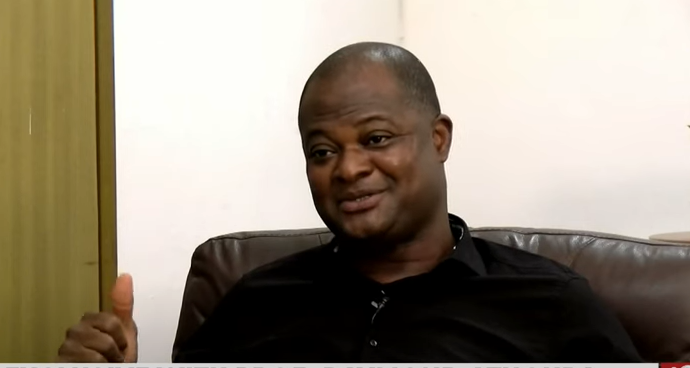
The Dean of the University of Ghana School of Law, Prof Raymond Atuguba, has stated that economic hardship is a major reason coup d’états have become rampant in West Africa in recent years.
According to him, some West African countries have experienced coups because leaders turned a blind eye to calls for solutions to address these problems.
Speaking on JoyNews AM Show on May 2, he said coup perpetrators have hinted that certain factors motivated them to usurp power and change the status quo.
“Coup leaders cite five issues consistently as causing the coup. The first is economic hardship. You see why I am talking about the economy a lot and the debt crisis and the outward oriented economies.
“If you don’t solve those economic hardships coups are going to happen. Democracy is going to reverse. We are going to live under repressive regimes,” he said.
Prof Atuguba said another factor for the occurrence of coups is the phenomenon of sit-tightism. He stated that leaders feel a sense of entitlement and refuse to give up their seat, treating it as a family possession.
“Sit-tightism is now recognised as a word where a leader sits tied on the seat and refuses to go. That is where Togo comes in. In other words, the situation in Togo is one of the things that ignites coups,” he said.
Another factor he mentioned was the closing of democratic spaces. He explained that in countries like Ghana, Mali, or Burkina Faso, certain actions of democratic governments can close democratic spaces and sometimes force people to react.
He also added that corruption and violent extremism are additional factors that play a role in these issues.
He therefore called for measures to be adopted to address these threats.
“So we need to focus on these five issues. If we want to end the phenomenon of coups. We can’t wish it way. We can’t deal with the five issues by shouting good governance all around the country.
“We have to get to work and address it. The saddest part of it is the evidence appears to be that when a country goes into undemocratic rule or military regime, under a military regime they appear to be doing better economically,” he argued.
Latest Stories
-
Ghana Faces Sierra Leone Moment as Prosecutorial Powers come under strain
6 minutes -
Don’t consume fish or seafood from Tema Shipyard until further notice – FDA warns
11 minutes -
Why volunteering might be Africa’s most underrated career accelerator
17 minutes -
ActionAid Ghana raises concern over gender gaps in Feed Ghana Programme
19 minutes -
Windstorm wreaks havoc in Gushegu, displacing nearly 2,000 residents and damaging schools
22 minutes -
Friends of Bridget Bonnie Marks her 35th birthday with donation to Kasseh Model Health Centre
1 hour -
From Ekumfi Kokodo to the Pulpit Stage: Essi Donkor’s gospel journey takes shape
1 hour -
Landfilling waste management creates no value, it’s an economic waste
2 hours -
Photos: Speaker Bagbin Commissions MPs constituency office under parliamentary decentralisation programme
2 hours -
Black Stars technical advisor Winfried Schäfer sacked as GFA shakes up backroom staff
2 hours -
Wenchi water project almost complete, critical to gov’t agenda – GWL MD
2 hours -
Anti-LGBTQ+ bill not part of government’s legislative agenda – Inusah Fuseini
2 hours -
Anti-LGBTQ Bill: Forget the rumour mongers, I’m a man of action, and will pass the bill – Speaker
3 hours -
Women and children among those killed in Sudanese army shelling of wedding celebration
3 hours -
President Mahama is not sincere with Ghanaians on LGBTQ bill matter – Hassan Tampuli
3 hours