

Audio By Carbonatix
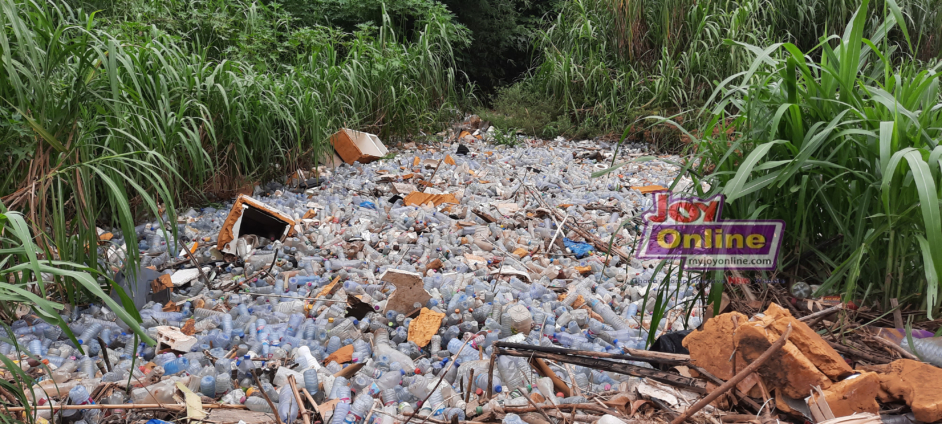
The Centre for Climate Change & Food Security (CCCFS), a non-governmental organisation, is advocating the adoption of ceramic materials for domestic usage as the country fights the devastating consequences of plastic pollution.
Although peculiar to some small towns and villages in Ghana’s regions of the north, ceramics usage has not been encouraging since the introduction of plastics which have been found to be detrimental to the environment.
In a newsletter, Executive Director of CCCFS, Engr Mahmud Mohammed-Nurudeen, emphasized that reviving this practice could significantly reduce Ghana’s reliance on plastics.
“CCCFS is drawing inspiration from India's successful adoption of ceramic materials for drinking water, particularly in states like Rajasthan, emphasizing the need for a return to traditional, sustainable practices,” he said.
This comes on the heels of the celebration of Earth Day globally on the theme, “Planet vs. Plastics, highlighting the enormous negative impact single-use plastics have on our environment”.
Ghana produces around 0.84 million tons of plastic waste each year with an annual average increase of 5.4%, according to official data.
It is postulated that population growth is commensurate with plastic waste, with an annual projection of 2.2%.
The amount of plastic consumed per person is also increasing by 3.4% each year.
Despite efforts by the government, industry, and civil society, plastic waste in water bodies is expected to increase by 190% between 2020 and 2040.
The influx of plastics is posing a threat to human existence and the ecosystem including pollution of oceans and waterways, harm to marine life, and contribution to climate change.
Engr Mohammed-Nurudeen revealed the deleterious effects of the organic materials to the food chain with eventual threat to human health.
“…some of this plastic waste eventually enters the food chain, posing a significant risk to human health. When plastic debris breaks down into smaller pieces, known as microplastics, they can be ingested by small marine animals, which are then consumed by larger animals, and potentially even humans.
“This means that plastic pollution has the potential to contaminate the food we eat, leading to harmful health consequences,” he said.
CCCFS is worried many Ghanaians remain unaware of the harmful effects of plastic waste.
"The impact of plastic pollution on our environment, our health, and our economy cannot be overstated. We must take immediate action to reduce plastic waste and adopt sustainable practices. We owe it to ourselves, our children, and future generations to act now."
The centre wants drastic reductions in plastic production by petrochemical companies.
“CCCFS is calling on petrochemical companies, policymakers, and individuals to join forces in the fight against plastic pollution. Together, we can make a difference and create a cleaner, healthier, and more sustainable future for all,” Engr Mohammed-Nurudeen said.
Latest Stories
-
Tyson Fury dominates Makhmudov, calls out Joshua next
2 minutes -
I have supported highway authority financially to fix roads in my constituency – A Plus
1 hour -
US, Iran fail to reach peace agreement after marathon talks in Pakistan
2 hours -
ECG kicks off Phase Two of transformer upgrades at Lashibi; brief outages expected
2 hours -
Port crises loom as 11,000 drivers threaten four-day strike
3 hours -
A source of excellence across generations – Vice President Opoku-Agyemang lauds Mfantsipim
4 hours -
(Photos) Mfantsipim School launches historic 150th anniversary
4 hours -
Knights and Ladies of Marshall group backs Catholic Bishops’ stance on anti-LGBTQ+
5 hours -
Bright Simons writes: All the Filla in the Ibrahim Mahama/E&P – Gold Fields Saga
6 hours -
Monetise Idiocy In Ghana
6 hours -
The Ghanaian prophet and the mysterious death of his scottish wife Charmain Speirs
6 hours -
Nearly 400 sentenced in Nigeria for links to militant Islamists
7 hours -
Ghana’s recovery supported by gold strength despite global oil price pressures – Standard Bank Research
7 hours -
Methodist Church hails Mfantsipim@150; calls for “fresh consecration” to excellence
7 hours -
‘Excellence is our inheritance’ – Nana Sam Brew-Butler hails Mfantsipim’s 150-year reign in leadership
7 hours