

Audio By Carbonatix
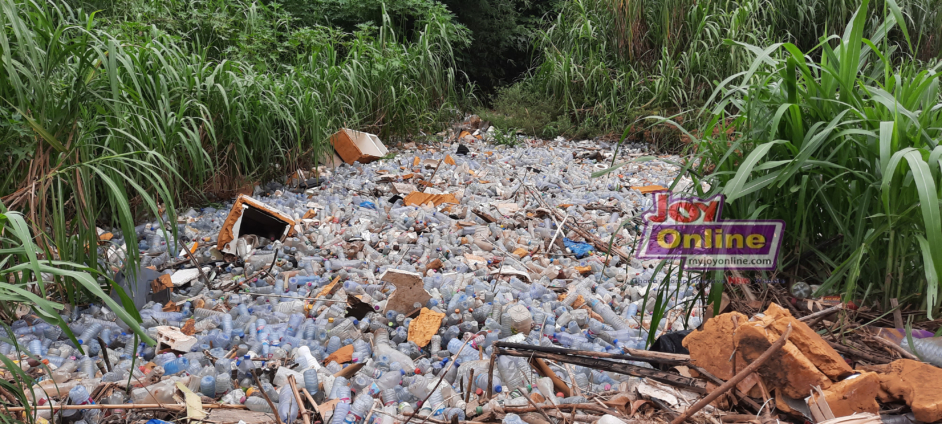
The Centre for Climate Change & Food Security (CCCFS), a non-governmental organisation, is advocating the adoption of ceramic materials for domestic usage as the country fights the devastating consequences of plastic pollution.
Although peculiar to some small towns and villages in Ghana’s regions of the north, ceramics usage has not been encouraging since the introduction of plastics which have been found to be detrimental to the environment.
In a newsletter, Executive Director of CCCFS, Engr Mahmud Mohammed-Nurudeen, emphasized that reviving this practice could significantly reduce Ghana’s reliance on plastics.
“CCCFS is drawing inspiration from India's successful adoption of ceramic materials for drinking water, particularly in states like Rajasthan, emphasizing the need for a return to traditional, sustainable practices,” he said.
This comes on the heels of the celebration of Earth Day globally on the theme, “Planet vs. Plastics, highlighting the enormous negative impact single-use plastics have on our environment”.
Ghana produces around 0.84 million tons of plastic waste each year with an annual average increase of 5.4%, according to official data.
It is postulated that population growth is commensurate with plastic waste, with an annual projection of 2.2%.
The amount of plastic consumed per person is also increasing by 3.4% each year.
Despite efforts by the government, industry, and civil society, plastic waste in water bodies is expected to increase by 190% between 2020 and 2040.
The influx of plastics is posing a threat to human existence and the ecosystem including pollution of oceans and waterways, harm to marine life, and contribution to climate change.
Engr Mohammed-Nurudeen revealed the deleterious effects of the organic materials to the food chain with eventual threat to human health.
“…some of this plastic waste eventually enters the food chain, posing a significant risk to human health. When plastic debris breaks down into smaller pieces, known as microplastics, they can be ingested by small marine animals, which are then consumed by larger animals, and potentially even humans.
“This means that plastic pollution has the potential to contaminate the food we eat, leading to harmful health consequences,” he said.
CCCFS is worried many Ghanaians remain unaware of the harmful effects of plastic waste.
"The impact of plastic pollution on our environment, our health, and our economy cannot be overstated. We must take immediate action to reduce plastic waste and adopt sustainable practices. We owe it to ourselves, our children, and future generations to act now."
The centre wants drastic reductions in plastic production by petrochemical companies.
“CCCFS is calling on petrochemical companies, policymakers, and individuals to join forces in the fight against plastic pollution. Together, we can make a difference and create a cleaner, healthier, and more sustainable future for all,” Engr Mohammed-Nurudeen said.
Latest Stories
-
‘Follow Ghana’s steps’ – IMF Africa Director hails economic gains
21 minutes -
Kwame Nkrumah’s son Gamal dies; burial scheduled for Saturday in Egypt
28 minutes -
Ghana will beat IMF’s upgraded 5.7% growth forecast – Ato Forson
29 minutes -
Middle East tensions, global risks to shape November policy rate decision – BoG Governor
33 minutes -
MTN Ghana to invest $1.1bn over three years, deploy 500 new sites in 2026
40 minutes -
15 arrested over alleged sand-winning activities along new Accra-Kumasi Expressway project
47 minutes -
Agriculture Slows to 3.9% as Ghana’s Economy Grows by 6%
1 hour -
Government launches rCOMSDEP to promote responsible mining in Western Region
2 hours -
Foreign Affairs Ministry procures 20 pickups to improve passport services
2 hours -
Oil prices retreat as investors weigh supply outlook, Middle East tensions
2 hours -
Mahama Ayariga highlights Jimi reclamation project as effort to tackle flooding
2 hours -
Ayine pushes duty-lawyer scheme to protect suspects at police stations
2 hours -
Stephen Amoah criticises 20% digital services tax as excessive
2 hours -
Ghana secures $3.5bn investment commitments to revive oil and gas sector – Jinapor
2 hours -
Court to hear Wontumi’s bail application today
2 hours