

Audio By Carbonatix
SOS Children’s Village in Ghana is admonishing authorities and concerned bodies to heighten public education on the adverse complications of plastic use.
This adds to efforts for homes and individuals to migrate from the use of plastic products, which are common pollution to the environment, as well as to develop a sound treatment for waste collection.
SOS Green Ghana is highlighting plastic waste as harmful to health, hence, the need to treated the menace with the utmost urgency.
The prevalence of plastic waste has become an emergency problem in Ghana, making its harmful nature more pertinent to human life.
The UN's development goals stress the need to address climate change and its effects beyond technical solutions but instead, nurture leaders within communities and systems to foster collaboration, relationships, stakeholder engagement, conflict resolution, and innovative problem-solving for climate challenges.
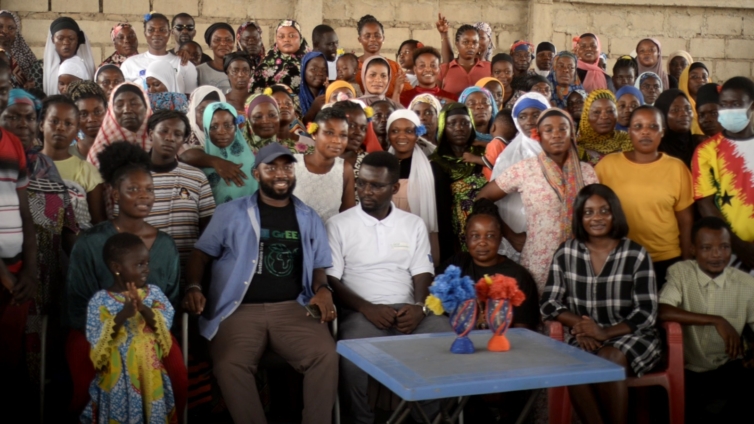
SOS Children's Villages in Ghana collaboration with the recycle-up Hub organized an event in Aboasu-Offinso in the Ashanti region to commemorate this year's occasion under the theme "Planet vs Plastic".
The sensitisation program aims to sensitise participants on the environmental challenges and hazards posed by the increased use and bad disposal of plastics.
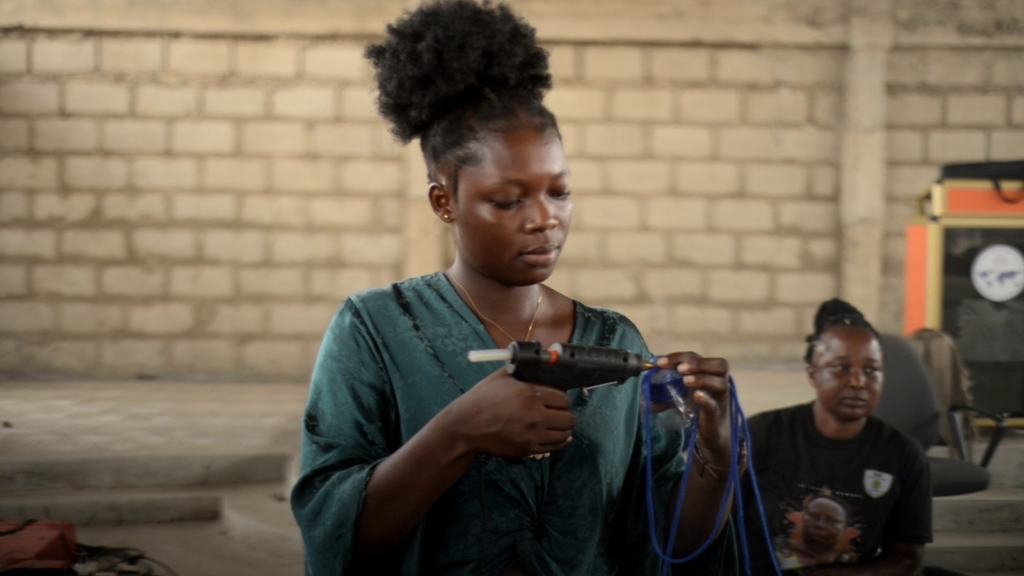
Participants were trained to develop their up-cycled products for exhibitions to expose them to economic opportunities in plastic upcycling.
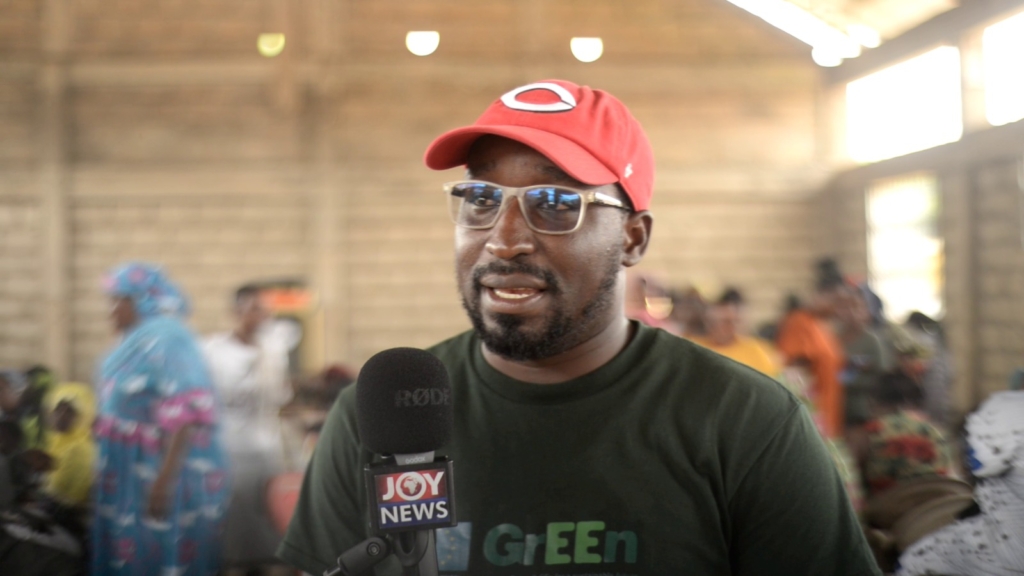
Trainer and Mentor for the SOS GrEEn Project, Moses Kofi Annor, says, proper and heightened education on plastic use in homes will help mitigate the effect of plastic on the environment.
“The time has come to move away from purchasing plastic products as well as to develop sound treatment from waste collection to recycling into new products and create awareness. Plastic waste has become an emergency problem around the world especially in Ghana. It is harmful to our health, and animal life in the ocean and on the land, and it affects sanitation systems.
“There is the need to train the public on how to reduce plastics in their homes and recycle them. The effects of plastic waste are dire. And Ghana cannot afford it. This adds to the reason we have organised this community engagement,” he said.
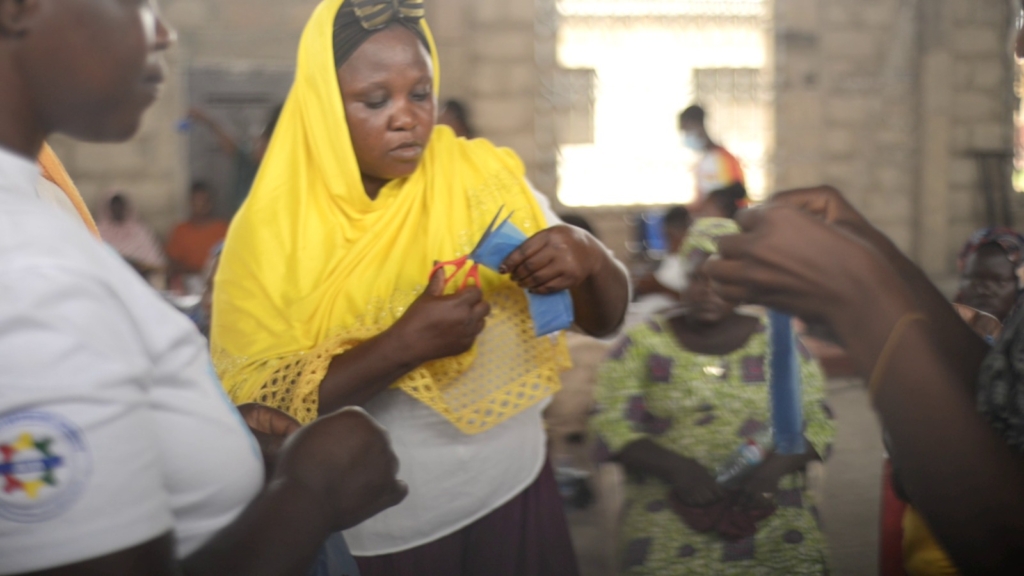
The participants who took part in the training on how to reduce plastics in communities shared their experiences.
“I am aware that plastic is harmful. But I didn’t know that some of these plastics could be reused for things like this. I can just pick them, and use them for something meaningful. I am glad we had this training,” a participant shared.
The event targets 100 Cash for Work beneficiaries from Saboa and Aboasu in the Offinso Municipal.
Latest Stories
-
Mahama reaffirms commitment to private investment and industrial growth
2 minutes -
‘We have been used and dumped’ – NDC’s James Agbey warns over grassroots neglect
11 minutes -
Ghana defender Marvin Senaya begins training ahead of comeback
14 minutes -
Joyce Bawah Mogtari urges women leaders to build strong support networks
31 minutes -
Bawumia engages GUTA over import duties, VAT and rising business costs
31 minutes -
Fuel prices begin to fall as Star Oil cuts petrol to GH¢16.45
33 minutes -
GoldBod supplies banks with US$282m in weekly forex sales
34 minutes -
Joyce Bawah Mogtari says Obaasima Conference should help women connect and learn
35 minutes -
Ghana’s Crude Oil Production Rebounds by 30% After Five Years of Decline
55 minutes -
Nzema East launches Responsible Cooperative Mining Programme to tackle environmental destruction
1 hour -
Ghana included in WHO lead-testing programme as questions remain over local exposure risks
1 hour -
2026 Amputee World Cup: We will win the trophy – Samson Deen
1 hour -
Controller and Accountant-General pays promotion arrears to 56,003 GES teachers ahead of deadline
1 hour -
2026 Amputee World Cup: We want to make the continent proud – Black Challenge coach
1 hour -
International Day of the Girl: Central Region Education Directorate calls for action to tackle child marriage, teenage pregnancy
2 hours