

Audio By Carbonatix
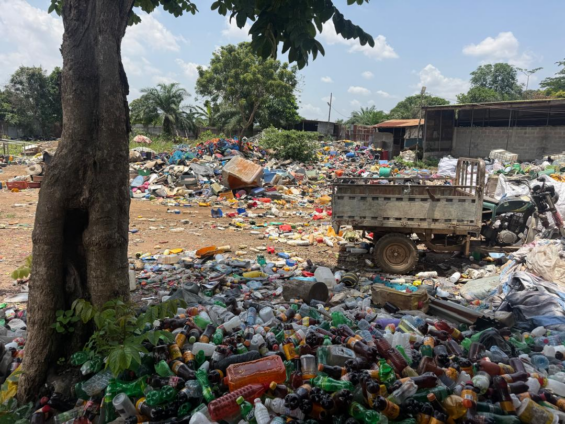
Waste management challenges in the Ashanti Region are expected to worsen as new policies in the plastic sector force some recyclers to shut down operations, while others scale back collections.
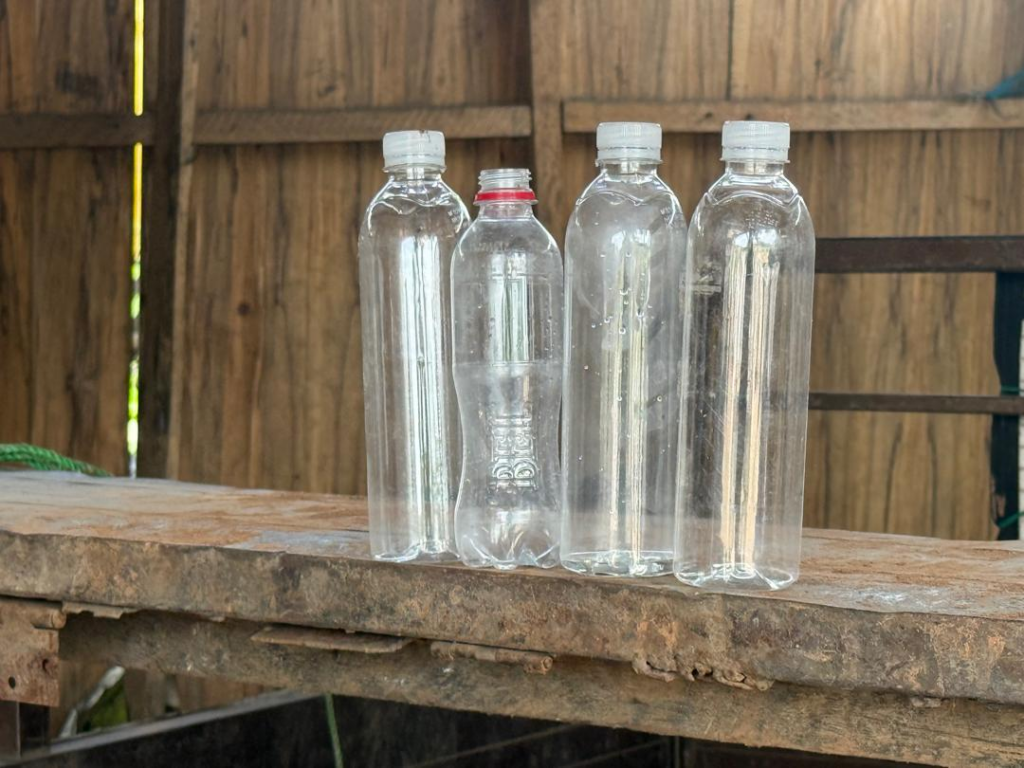
The European Union, previously the largest off taker of recycled plastics, has introduced a ban on plastic waste imports into member countries. In response, local plastic manufacturers are now demanding only clear PET bottles, which are rarely used by the food and beverage industry, leaving large volumes of coloured plastics uncollected and increasingly littering the environment.
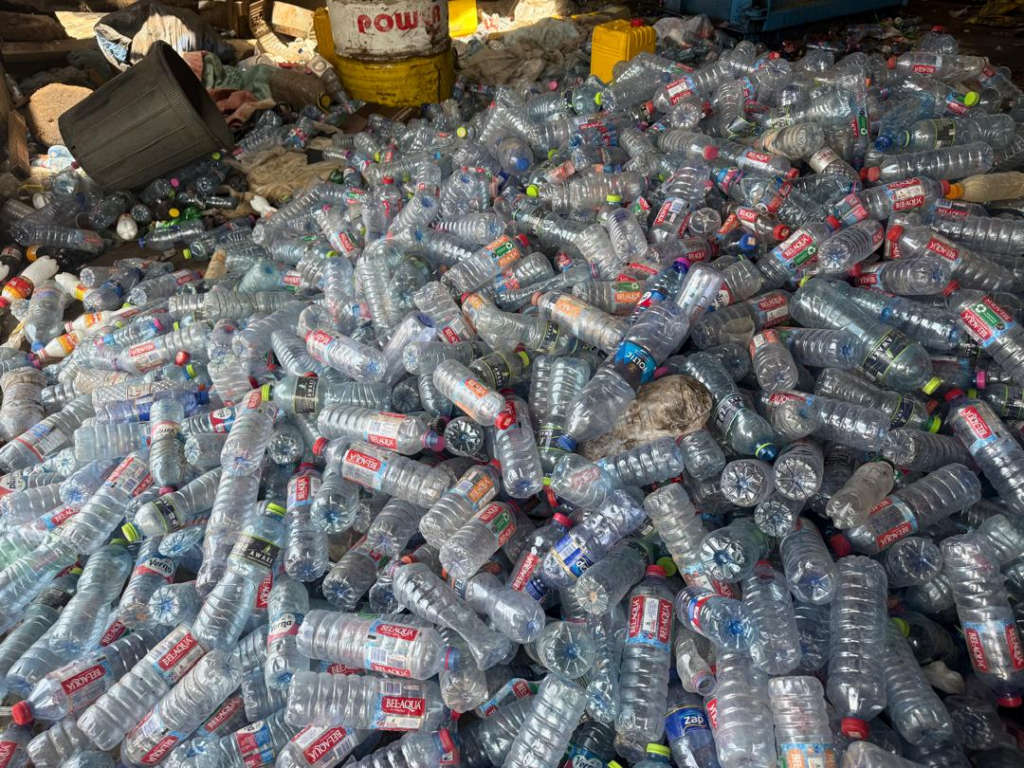
PET (polyethylene terephthalate) bottles are strong, lightweight, transparent plastic containers commonly used for packaging food, beverages and household products. In Asokore Mampong in the Ashanti Region, a PET compression facility that previously served as a key sales point for household collectors is now under strain, with some suppliers queuing for payments for goods already delivered.
They have expressed frustration over falling prices and the rejection of coloured plastics.
A collector said a mosquito-net-sized bale of plastics that previously sold for GH¢140 now goes for GH¢40, adding that the business is collapsing as buyers no longer take certain materials.
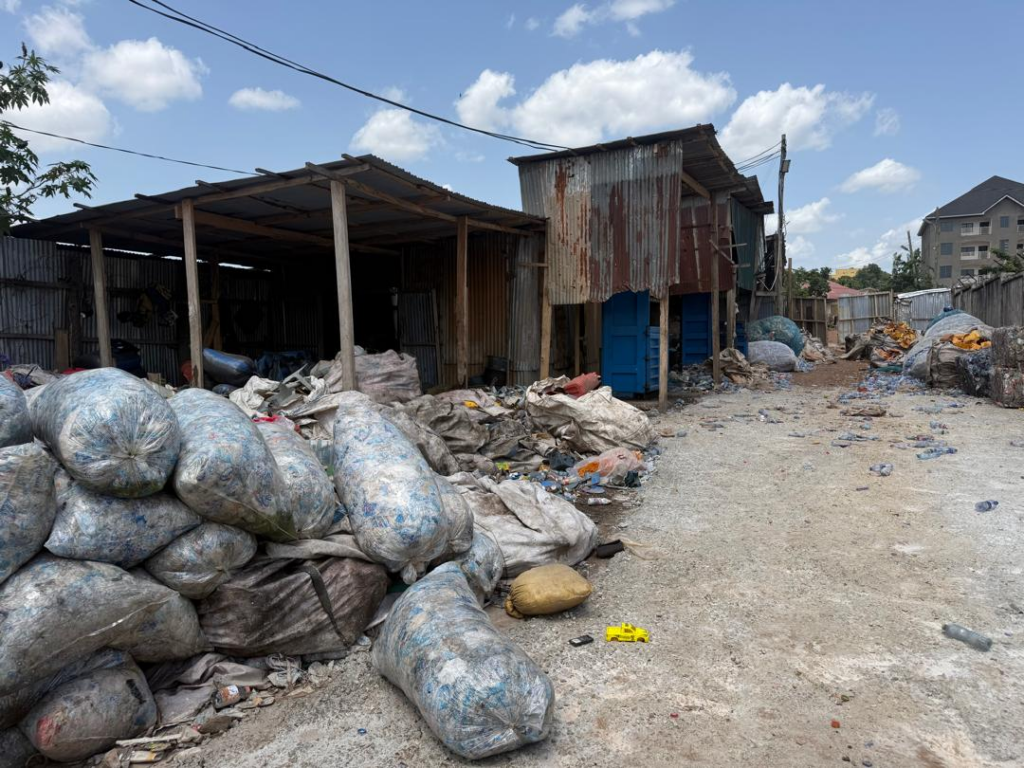
Beyond pricing concerns, recycling companies have also stopped purchasing coloured PET plastics, including water bottles with blue linings. A household collector, Mamaa, said the changes have made the business less sustainable, though many continue out of necessity.

At Gaza Limited, a major PET collection and compression company, incoming plastics are now being strictly sorted by colour, with clear bottles in very limited supply compared to coloured ones.
According to the company, while it previously purchased up to ten tonnes of PET daily, current market conditions have significantly reduced volumes to about one tonne or less.
The company has also suspended a two-shift system previously used for plastic compression due to falling demand.
At Premier Waste Services in Sepe, founder Edmund Arthur Brown said the company now prioritises quality and material type, rejecting consignments with high volumes of coloured plastics.
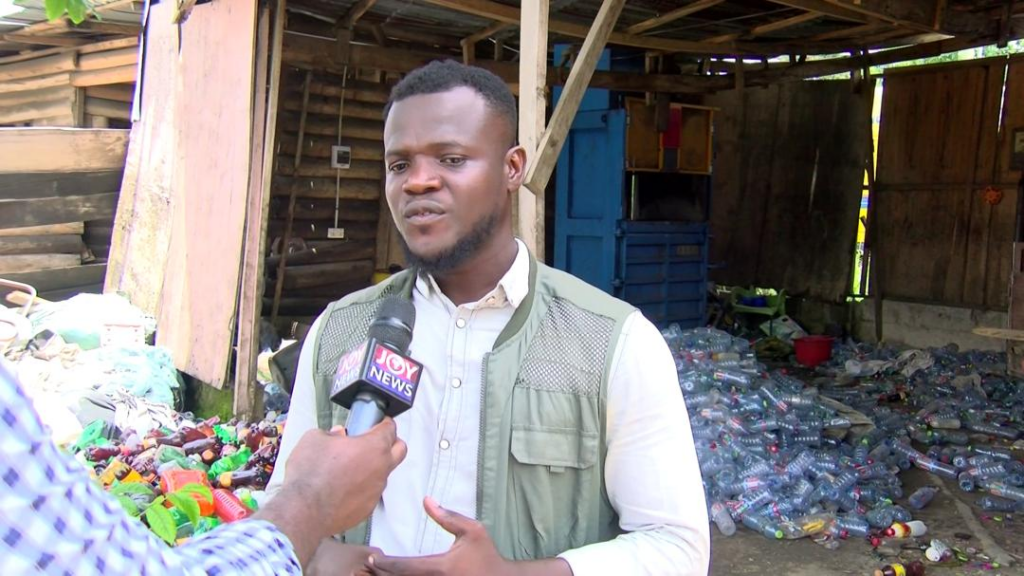
He noted that about six plastic compression and bale sales companies in Kumasi have shut down, while a significant number of household collectors have exited the business.
He further argued that a coordinated shift by bottling companies towards clear bottles would help stabilise the recycling sector, as clear PET remains the most viable material for recycling.

Overall, purchases of PET bottles from household collectors by major companies have dropped by at least 100 tonnes, contributing to growing plastic waste accumulation in the environment.
Stakeholders warn that without targeted interventions to support the recycling industry, efforts to improve waste management and environmental protection in Ghana may be undermined.
Latest Stories
-
Who is the ‘hero’ Indian pilot who was stabbed on Israel-bound flight?
4 minutes -
NPP External Branches demand 90-day roadmap for ROPAA implementation
5 minutes -
No sustainable digital economy without trust, cybersecurity – CSA
7 minutes -
SSNIT increases stake in Société Générale Ghana to 24.36%
10 minutes -
Ghana-Colombia port deal sparks fresh cocaine trafficking security concerns
10 minutes -
EOCO moves to search Baffour Awuah’s office, residence after interrogation
17 minutes -
GoldBod, Kyrgyzstan discuss partnerships in gold and critical minerals
19 minutes -
SMEs can use vehicles, movable assets as collateral under Borrowers and Lenders Act
19 minutes -
Two dead in Canada after vehicle hits pedestrians taking part in First Nations event
21 minutes -
Cornell case highlights ‘draining’ maze for victims to report campus sex assaults
23 minutes -
Minority demands immediate suspension of Ghana-Colombia maritime deal over cocaine concerns
23 minutes -
Konadu Irrigation Project reaches 96% completion, set for commissioning in one month
23 minutes -
Joyce Bawah Mogtari calls for sustained investment in Ghana’s legal profession
27 minutes -
Close salary gap between lower bench and superior court judges—JUSAG
28 minutes -
Police arrest three over GH¢100,000 ransom demand in Yendi kidnapping case
32 minutes