

Audio By Carbonatix
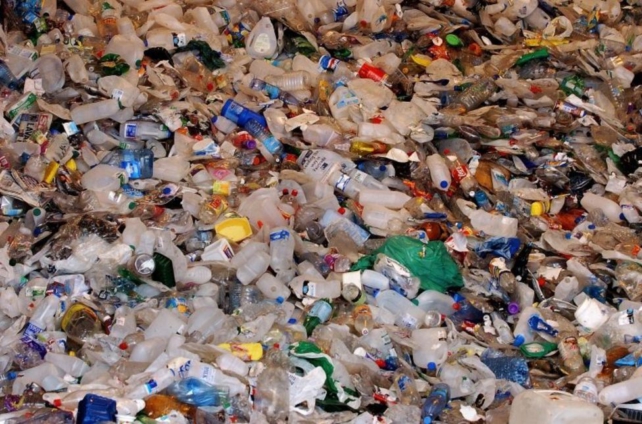
In Ghana, plastic waste is an escalating issue, with two types of plastics dominating the problem: PET (polyethylene terephthalate) and LDPE (low-density polyethylene).
PET is commonly used in water and soda bottles (bottling), while LDPE is found in thin plastic bags and single-use packaging.
As these plastics pile up, they mostly end up in landfills, with only minimal recycling efforts in place. Currently, recycling facilities sort, wash, and crush PET, which is usually sold as flakes for export.
LDPE is similarly washed, crushed, and sometimes pelletized for limited local reuse. This limited approach wastes a potential economic asset. By rethinking how we handle PET and LDPE, Ghana could unlock value and create a recycling-based industry that reduces waste, creates jobs, and stimulates economic growth.
The Current Landscape: Untapped Potential
Currently, Ghana’s recycling approach for PET and LDPE is underdeveloped. Only a small percentage of these plastics are recycled. This limited system means much of the plastic waste is left to accumulate in landfills, creating environmental hazards and missing an economic opportunity.
Specialized PET and LDPE recycling pelletizer lines eradicate problems associated with the improper management of plastics including acquiring lands for landfills and their potent effect of emissions of greenhouse gases with high efficiency.
Unlike in some developed countries, Ghana does not have the infrastructure to fully utilize PET and LDPE in a way that keeps them within the local economy (circular economy). If this changes, however, as the waste processing value chain is enhanced, PET and LDPE could become Ghana’s “new gold.”
Building a Value Chain for PET and LDPE Recycling
A more effective recycling process would involve creating a complete value chain through four main steps:
1. Collection and Sorting: Organized and incentivized collection is essential. Communities could set up collection points where individuals are compensated for returning used plastic, increasing participation and helping to keep cities cleaner.
2. Local Processing: Instead of exporting PET flakes, Ghana could process and re-manufacture them locally. PET could be converted into fibers for textiles, construction materials, and new packaging, while LDPE pellets could be used for producing various plastic goods, such as bags and pipes. Processing locally keeps value within the economy and creates jobs.
3. Manufacturing and Reuse: With a local manufacturing sector that uses recycled PET and LDPE, Ghana could reduce reliance on imports and stimulate the creation of local businesses. Products made from recycled materials could be produced and sold domestically, from containers and furniture to building materials, establishing a self-sustaining market.
4. Creating Markets for Recycled Products: Demand for recycled products is crucial for the sustainability of the recycling chain. Government agencies, local businesses, and consumers can support this by choosing products made from recycled materials. With demand growing, recycling becomes more profitable, attracting investors and creating a larger impact.
Benefits for Environment and the Economy
- Environmental Impact: Recycling more PET and LDPE would reduce the amount of waste in landfills and help prevent plastic from polluting ecosystems. Additionally, reusing existing plastic reduces the need for energy-intensive raw plastic production, which is environmentally harmful.
- Economic Impact: The recycling value chain would generate thousands of new jobs, from collection and sorting to processing and manufacturing. Entrepreneurs could find opportunities to produce and sell recycled goods locally and regionally, while Ghana could also reduce its dependence on imported goods. Additionally, as global interest in recycled materials rises, Ghana could even become an exporter of recycled plastic products, generating valuable foreign income.
Overcoming Challenges
Building this value chain although promising, presents challenges. There must be investment in recycling facilities, technology, and public awareness campaigns to encourage recycling behaviors.
Collaboration between government, private businesses, and communities will be crucial to make the project successful. Additionally, it is essential to address any stigma around recycled products to build a strong consumer base.
A Golden Opportunity
In a nutshell, PET and LDPE hold the potential to be Ghana’s “new gold,” offering solutions for both economic and environmental challenges.
Investing in collection, local processing, manufacturing, and creating a market for recycled goods, Ghana can transform plastic waste into valuable resources that drive sustainable growth and job creation. With a comprehensive recycling approach, Ghana could reduce pollution and enhance its economy, turning what was once considered waste into a powerful resource for the nation’s future.
Gloria Opoku Boateng,
Quality Assurance Officer (KCARP),
MSc. Ecology and Nature Management,
RUDN University, Moscow – Russia.
gloriaopokuboateng9@gmail.com
Latest Stories
-
Dad’s Army/African Polistas crowned champions of 2026 Accra Polo Club Trustees’ Cup
3 minutes -
Mahama approves Integrated Basic Education Model, with funding expected in 2027 under GETFund formula
6 minutes -
Money-driven elections fuelling corruption – Haruna Iddrisu
10 minutes -
Excessive borrowing ‘cracked’ Ghana’s economy under Akufo-Addo – Haruna Iddrisu
19 minutes -
NPP’s silence on economic indicators suggests Mahama is doing better – Haruna Iddrisu
32 minutes -
GoldBod must be more accountable to Ghanaians – Haruna Iddrisu
47 minutes -
Affi Agbenyo’s EC appointment is constitutionally appropriate, but politically, people have the right to remind us – Haruna Iddrisu
59 minutes -
Accra Mall brings Soulful Weekend Vibes to October with Live R&B and Jazz
1 hour -
Education is critical to Ghana’s future and development – Haruna Iddrisu
1 hour -
Who’s Emelia Affi Agbenyo, the 43-year-old newly sworn-in Deputy EC Chair?
2 hours -
Haruna Iddrisu calls for limits on annual university accommodation fee increases
2 hours -
Today’s front pages: Tuesday, October 13, 2026
3 hours -
Wealth Over Water: How Galamsey Is Threatening Ghana’s Water Security
4 hours -
LA 2028: Black Queens pumped up for second leg of Mauritius tie
4 hours -
LA 2028: Black Queens hold final training session ahead of second leg against Mauritius
5 hours