

Audio By Carbonatix
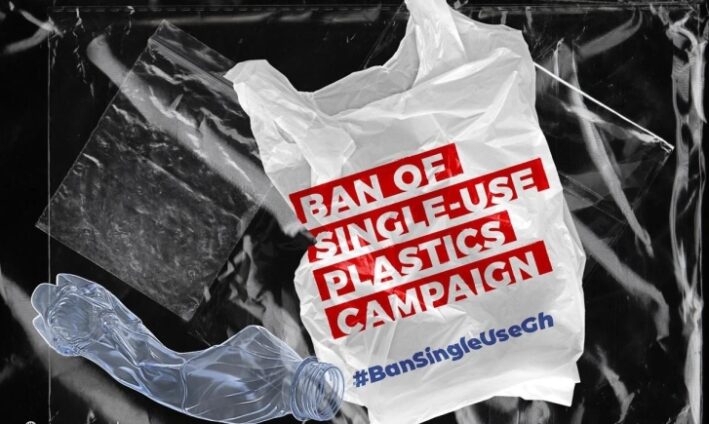
The Environmental Protection Authority (EPA) says emerging scientific evidence showing the presence of plastic particles in the human body underscores the need for Ghana's planned ban on single-use polystyrene (styrofoam) food containers from January 1, 2027.
Speaking during the eighth edition of the Loud and Green X Spaces hosted by JoyNews, the EPA's Director of Human Settlement, Hope Smith Lomotey, said the decision to phase out styrofoam is driven not only by environmental concerns but also by growing evidence of its potential impact on human health.
"We have conducted a number of researches. We have even discovered plastic in some women's placenta, which is becoming alarming," he said.
Mr Lomotey explained that the proposed ban forms part of the implementation of Ghana's National Plastic Management Policy, launched in 2020, and is aimed at reducing plastic pollution while protecting public health.
He warned that styrofoam containers can release harmful chemicals when used to serve hot, oily or acidic foods.
"Where hot food are poured in some of these containers, people are exposed to the chemicals. Oily food also are poured into them, releasing these toxins. Acidic food are poured into it," he stated.
Beyond potential health risks, Mr Lomotey said styrofoam continues to contribute significantly to environmental degradation because of its lightweight nature, which allows it to be easily blown into drains, rivers and other waterways.
"Some of these products are very light, so any air that blows them finds them in the environment. Whenever it rains, they are carried into the drains and some of the drains get choked, which also contributes in causing some of the flooding that we experience," he explained.
He noted that unlike organic waste, styrofoam does not readily decompose, remaining in the environment for centuries.
"Some can even stay for about 500 years to decompose because they are not biodegradable," he said.
Mr Lomotey also warned that plastic pollution extends beyond land-based ecosystems, affecting aquatic life and eventually returning to humans through the food chain.
"Some aquatic animals like the fishes also consume some of this, and they remain in their system, come back to us in the food chain. We consume it and it's still in our system," he added.
According to the EPA, these combined environmental and public health concerns have made it necessary for Ghana to transition away from single-use styrofoam packaging.
Ahead of the January 1, 2027 implementation date, the Authority says it will continue nationwide public education campaigns and stakeholder engagements to prepare manufacturers, importers, retailers and consumers for the transition to environmentally friendly alternatives.
While acknowledging that the ban alone will not eliminate flooding, the EPA maintains that reducing the use of styrofoam will help cut plastic pollution, ease pressure on drainage systems and contribute to improved public health.
Latest Stories
-
Who is the ‘hero’ Indian pilot who was stabbed on Israel-bound flight?
3 minutes -
NPP External Branches demand 90-day roadmap for ROPAA implementation
4 minutes -
No sustainable digital economy without trust, cybersecurity – CSA
6 minutes -
SSNIT increases stake in Société Générale Ghana to 24.36%
9 minutes -
Ghana-Colombia port deal sparks fresh cocaine trafficking security concerns
10 minutes -
EOCO moves to search Baffour Awuah’s office, residence after interrogation
16 minutes -
GoldBod, Kyrgyzstan discuss partnerships in gold and critical minerals
18 minutes -
SMEs can use vehicles, movable assets as collateral under Borrowers and Lenders Act
18 minutes -
Two dead in Canada after vehicle hits pedestrians taking part in First Nations event
21 minutes -
Cornell case highlights ‘draining’ maze for victims to report campus sex assaults
22 minutes -
Minority demands immediate suspension of Ghana-Colombia maritime deal over cocaine concerns
22 minutes -
Konadu Irrigation Project reaches 96% completion, set for commissioning in one month
22 minutes -
Joyce Bawah Mogtari calls for sustained investment in Ghana’s legal profession
26 minutes -
Close salary gap between lower bench and superior court judges—JUSAG
27 minutes -
Police arrest three over GH¢100,000 ransom demand in Yendi kidnapping case
31 minutes