

Audio By Carbonatix
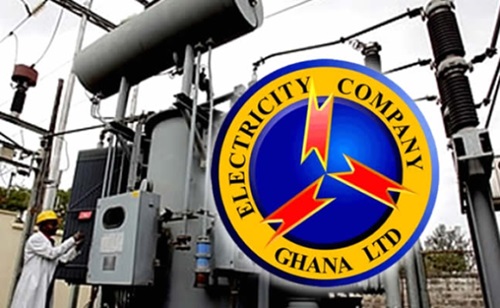
The Electricity Company of Ghana (ECG) recorded power losses amounting to 32% of its total electricity purchases in 2024, the highest in over two decades, according to the latest Energy Statistics Bulletin released by the Energy Commission.
Per the report, ECG purchased 17,009 GWh of electricity last year but managed to sell only 11,561 GWh. The remaining 5,448 GWh was lost through a combination of technical and commercial losses, such as power theft, billing anomalies, and metering issues.
JoyNews Research estimates that this volume of lost electricity could have powered approximately 1.36 million Ghanaian households for an entire year, assuming an average household consumption of 300–400 kWh per month.
The bulletin notes that ECG, Ghana’s largest power distributor, has consistently accounted for the bulk of both electricity purchases and losses over the past 20 years.
The Northern Electricity Distribution Company (NEDCo) also posted a concerning performance in 2024, with losses totaling 669 GWh, representing a loss rate of about 31%, nearly mirroring ECG’s.
In sharp contrast, the report cited, the Enclave Power Company (EPC), which began operations in 2015, to have maintained a relatively low loss percentages, averaging 2.5% from 2015 to 2024. It recorded an average loss rate of only 2.5% between 2015 and 2024, underscoring the operational efficiency of private-sector involvement in power distribution.
Meanwhile, electricity purchases by all distribution utilities have grown at an average annual rate of 6.5%, rising from 4,319 GWh in 2000 to 19,458 GWh in 2024, nearly a fourfold increase. Electricity sales followed a similar trajectory, growing at 6.1% annually, from 3,142 GWh to 13,098 GWh over the same period.
In 2024, Ghana’s total installed generation capacity reached 5,749 MW, with thermal alone contributing 70% of that. In terms of dependable capacity the actual output plants can reliably deliver thermal again leads with 3,695 MW out of the total 5,211 MW. Hydro has remained mostly stagnant over the past decade, contributing just 1,411 MW to dependable capacity this year only a modest increase from 1,040 MW in 2000.
Latest Stories
-
Bridgerton star on dealing with One Piece casting backlash
17 minutes -
Woman charged with attempted murder after shooting at Rihanna’s home
28 minutes -
Ho Nurses Training College mounts pressure on UHAS to release its facilities
39 minutes -
140 suspects, 27 dockets – Kwakye Ofosu says ORAL is already delivering results
49 minutes -
Cabinet approves special tribunals to tackle corruption and illicit wealth cases
1 hour -
Ghana Immigration Service rescues 73 from abuse in an anti-fraud operation
2 hours -
EOCO freezes ¢1.5bn in assets linked to corruption investigations – Kwakye Ofosu
2 hours -
Wildlife to replace historical characters on British banknotes
2 hours -
China and North Korea to resume passenger train service after 6-year halt
2 hours -
Meghan to headline ‘girls’ weekend’ in Australia for 300 women
2 hours -
ORAL: We won’t manipulate judiciary for political ends – Gov’t spokesperson
3 hours -
Critics wrong on ORAL speed – Kwakye Ofosu lists arrests and asset seizures
3 hours -
Congo Republic’s Sassou set to extend long rule, focus on succession
5 hours -
At least six dead in Switzerland bus fire
6 hours -
GH¢50m frozen in Wontumi’s accounts – Gov’t spokesperson Felix Kwakye Ofosu reveals
6 hours