

Audio By Carbonatix
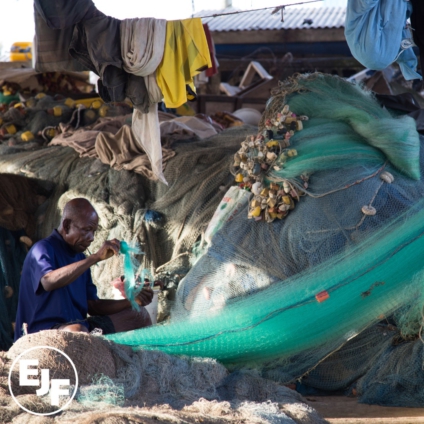
An initiative has been launched in Ghana to protect the coastline from the damaging effects of abandoned, plastic fishing nets.
The scheme, which also provides incomes to hard-pressed coastal communities, is depicted in a new film from the Environmental Justice Foundation (EJF).
Ghana’s marine fisheries employ over 135,000 fishers directly and about 2.6 million people along the value chain rely on it for their livelihood.
Yet the sector is in sharp decline with incomes of small-scale fishers declining by 40% between 2001 and 2011.
Nearly 200 fishing communities, which are severely impacted by illegal fishing and overfishing, are having their livelihoods threatened by destroyed, abandoned or lost fishing gear – the deadliest form of plastic pollution, which forms floating death traps entangling and choking marine wildlife.
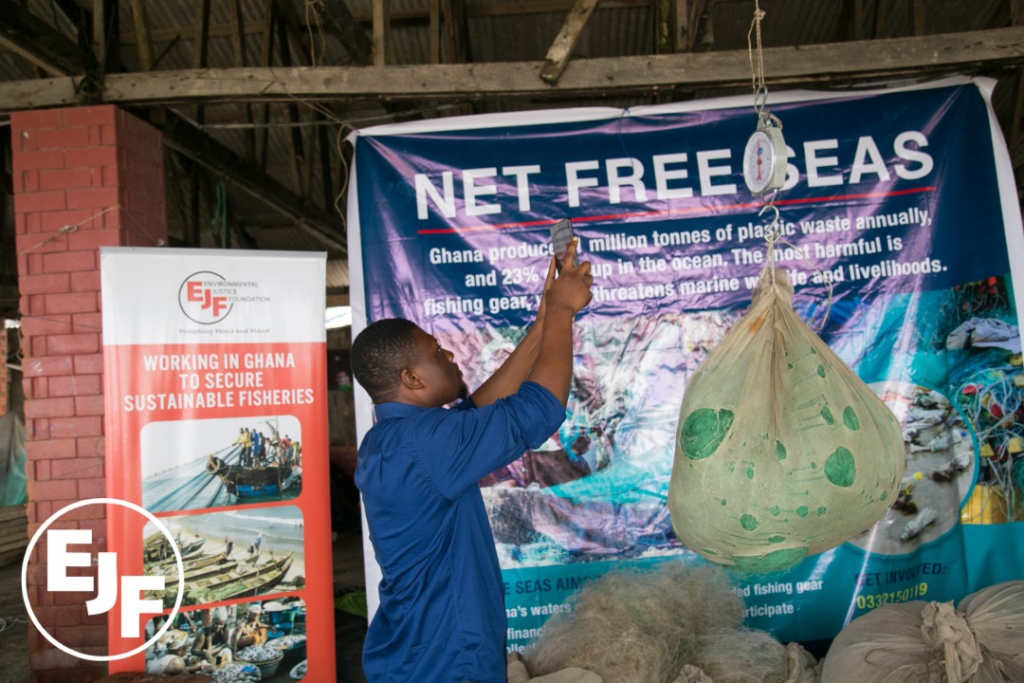
Environmental Justice Foundation’s “Net Free Seas” project collects and recycles discarded fishing nets while providing tangible financial incentives to coastal communities who participate in the project, said the NGO.

It is already gathering pace. 600 fishers have been trained to participate and 4.6 tons of nets have been collected. These are being transformed into durable, sustainable products, such as spectacles.
Now, EJF is releasing a new film about Net Free Seas, titled “Saving Ghana’s waters from ghost gears”.
The film raises awareness about the harmful effects of lost or discarded fishing gear, and other forms of plastic pollution and offers solutions.
It shows how local fishers collect discarded monofilament nets and prevent them from ending up in the sea for submission under the project while benefiting financially, EJF reported.
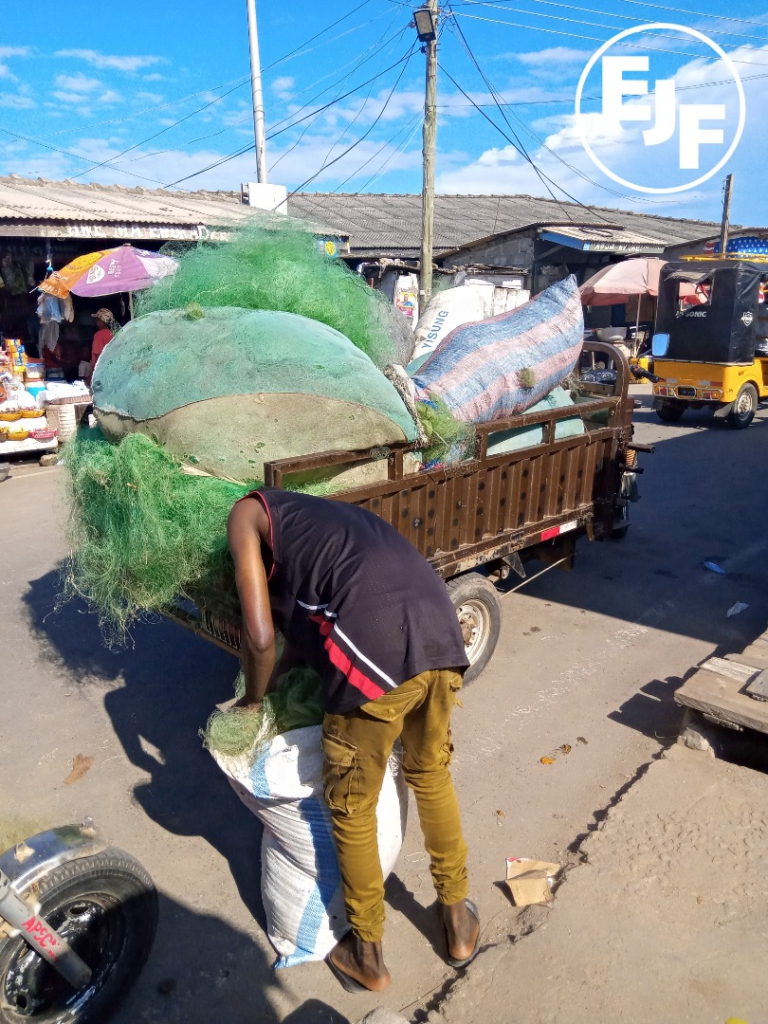
The Net Free Seas project continues to educate fishers and the general public on the effects of destroyed or abandoned fishing gear on Ghana’s fisheries, as well as how to achieve behavioural change to end the inappropriate disposal of destroyed or waste nets.
This will reduce the extent to which they enter vulnerable and important marine ecosystems, safeguarding the ocean ecosystems which support so many Ghanaians.
Steve Trent, CEO and founder of the Environmental Justice Foundation, said:
“A new, sustainable approach to the disposal of discarded nets and plastic waste is critical for a healthy, clean ocean. Increased public awareness of the negative impacts of discarded nets on marine ecosystems and animals is crucial to the fight against plastic pollution.
"This new film shows how fishing communities can work together to protect ocean ecosystems and make sustainable profits at the same time, through Net Free Seas.”
The film also reveals that four sea turtles caught in fishing nets were safely released. EJF says it will continue to work to protect ocean wildlife and empower local communities.
Latest Stories
-
Ghana’s Derrick Kohn to work under Marie-Louise Eta as she becomes first woman to coach men’s Bundesliga team
4 minutes -
Accra Open Championships conclude with strong performances ahead of African Championships
11 minutes -
Ghana to begin camping with 12 athletes after Accra Open Championships – Bawa Fuseni
32 minutes -
Anthony Joshua declines showdown with Tyson Fury but admits they ‘probably’ clash next
46 minutes -
Tyson Fury dominates Makhmudov, calls out Joshua next
1 hour -
I have supported highway authority financially to fix roads in my constituency – A Plus
2 hours -
US, Iran fail to reach peace agreement after marathon talks in Pakistan
3 hours -
ECG kicks off Phase Two of transformer upgrades at Lashibi; brief outages expected
3 hours -
Port crises loom as 11,000 drivers threaten four-day strike
4 hours -
A source of excellence across generations – Vice President Opoku-Agyemang lauds Mfantsipim
5 hours -
(Photos) Mfantsipim School launches historic 150th anniversary
5 hours -
Knights and Ladies of Marshall group backs Catholic Bishops’ stance on anti-LGBTQ+
6 hours -
Bright Simons: All the Filla in the Ibrahim Mahama/E&P – Gold Fields Saga
7 hours -
Monetise Idiocy In Ghana
7 hours -
The Ghanaian prophet and the mysterious death of his scottish wife Charmain Speirs
7 hours