

Audio By Carbonatix
Social and cultural transformation has been identified as a critical factor in promoting the rights of women and girls.
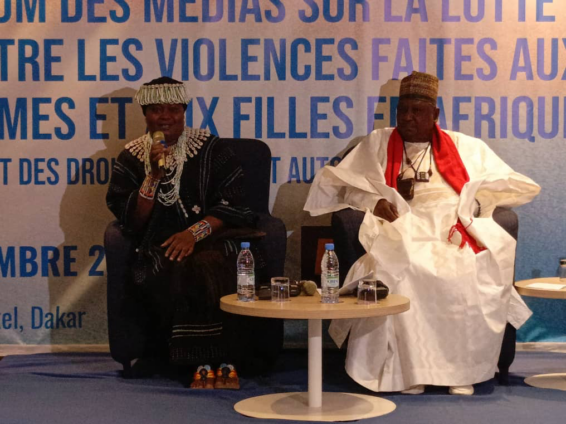
To deepen understanding of tradition’s role in combating gender-based violence, a forum organised by the Africa Media Network for Health & Environment Promotion (REMAPSEN) in Senegal brought together prominent traditional leaders, including Ahan Kalidji Beatrice, Queen of Oussouye, and M. Moussa Ndione, Djaraaf de Bargny, to discuss “Changing Social Norms by Traditional Leaders.”
Djaraaf de Bargny, M. Moussa Ndione, emphasised the role of traditional leaders as custodians of cultural norms in driving meaningful change.
He highlighted the need to address harmful practices such as early marriage, lack of education for girls, and Female Genital Mutilation (FGM), calling for a collective commitment to evolving mentalities.
“Our cultural identity must align with global approaches to gender equity,” he stated, urging communities to eradicate violence against women and girls (VAWG) and empower women as vital pillars of society.
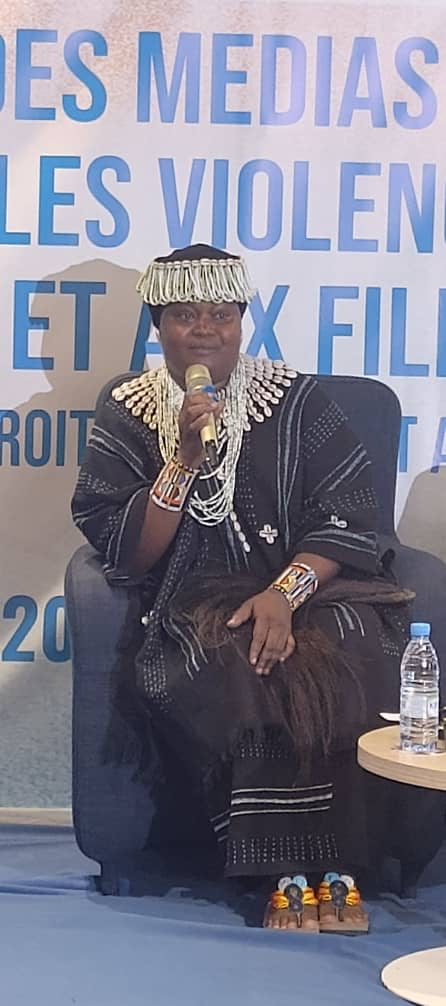
Ahan Kalidji Beatrice shared her journey as an uneducated 14-year-old queen ascending the throne in 2000.
Reflecting on societal norms that initially hindered her education, she recounted the challenges of overcoming deeply entrenched biases.
“It was only after the passing of a community elder that I was able to broaden my horizons and pursue advocacy,” she revealed.
She emphasized the transformative power of education for girls, urging communities to empower women to achieve autonomy and train their children for self-reliance.
She also highlighted the dangers of verbal violence, warning of its role in tragic outcomes such as suicide, and likened spousal abuse to disrespecting one’s parents.
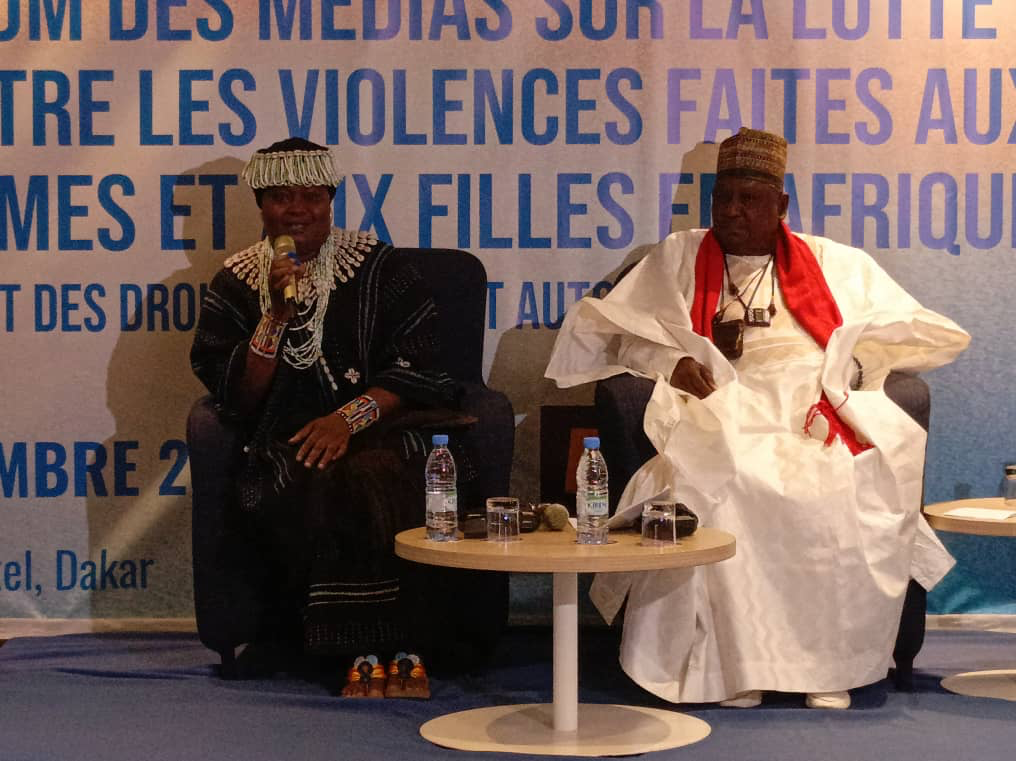
Acknowledging the contributions of UN Women in amplifying women’s voices, Her Royal Highness reiterated her commitment to advocacy, particularly against domestic violence and the mistreatment of girls as household help.
“If we continue treating domestic workers like slaves, soon, no one will have them,” she cautioned.
Both leaders underscored the importance of a unified approach to creating sustainable social change. While Djaraaf de Bargny stressed collective responsibility in transforming harmful norms, Ahan Kalidji Beatrice focused on the importance of education and addressing verbal and psychological abuse.

The forum, supported by UN Women and Fonds Français Muskoka, continues to call for eradicating violence against women and girls through education, advocacy, and collective transformation.
Organised by REMAPSEN, it seeks to address pressing issues of gender-based violence and promote female empowerment, leaving no one behind.
Latest Stories
-
I assure Otumfuo, Mahama will join him to commission KNUST Teaching Hospital by end of this year – Haruna Iddrisu
39 minutes -
Gov’t to roll out free special education for persons with disabilities from July 1 – Education Minister
1 hour -
“We used it to test our officiating officials’ readiness” – Bawah Fuseini after CAA Athletics event
1 hour -
Volleyball emerges as Ghana’s fastest rising sport
2 hours -
National Sports Fund needs strong leadership from the top – Administrator David Wuaku
2 hours -
JoySports Exclusive: Steve McLaren in talks with GFA after expressing interest in Black Stars job
2 hours -
Fire guts auto parts warehouse at Bubuashie, one fire officer injured
2 hours -
I owe my victory to coach Ofori Asare – Allotey after winning WBA Africa Gold Super Flyweight belt
2 hours -
Church of Pentecost supports over 2,000 BECE candidates in Obuasi with career guidance seminar
4 hours -
Brandon Asante and Coventry all but promoted to Premier League despite Sheffield Wednesday draw
4 hours -
GPL 2025/26: Late Kwartemaa strike downs Hearts in Tema
4 hours -
Ghana Faces Sierra Leone Moment as Prosecutorial Powers come under strain
4 hours -
Don’t consume fish or seafood from Tema Shipyard until further notice – FDA warns
4 hours -
Why volunteering might be Africa’s most underrated career accelerator
5 hours -
ActionAid Ghana raises concern over gender gaps in Feed Ghana Programme
5 hours